
Reviewed · GRAND BAZAAR & SPICE BAZAAR
Istanbul Grand Bazaar: From Rooftops to the Secret Passages
Istanbul’s Grand Bazaar makes more sense when you see it from above, then follow a guide through the lanes, hans, workshops, and passages that most first-time visitors miss. This tour with Istanbul Odyssey turns a maze of shops into a working marketplace with a 600-year story, from silk traders and spice merchants to silversmiths and gold dealers.
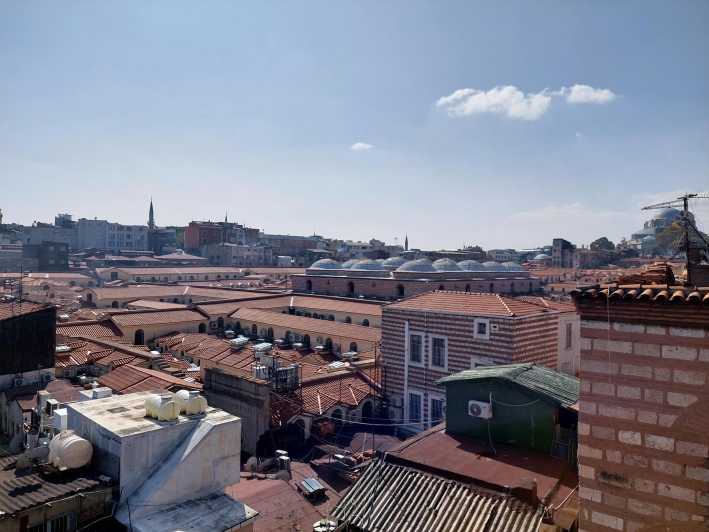
I like the rooftop access, which gives you a rare bird’s-eye view of the Bazaar’s tiled roofs and surrounding Istanbul. I also like the human side of the tour: guides such as Mertcan introduce you to artisans, explain how the different sections work, and point out places to shop without pressure.
The main drawback is physical. You will climb many stairs, sometimes on uneven or narrow routes, and this is not a relaxed shopping stroll. It is also more of an orientation and behind-the-scenes tour than a buying expedition, so plan a separate visit if you want time to browse.
In This Review
- Key points to know before booking
- Why a guide helps inside the Grand Bazaar
- Starting near Çemberlitaş and the Column of Constantine
- Nuruosmaniye Mosque and the approach to the market
- Kalcılar Han and the older trading quarters
- Zincirli Han and the first real look behind the scenes
- Eirene Tower and the value of looking up
- Sağır Han, artisan spaces, and the living Bazaar
- The main Grand Bazaar lanes and what this tour is not
- Tea, baklava, and local food advice
- Price, duration, and group size
- Who will enjoy this most
- Should you book the Grand Bazaar rooftop tour?
- FAQ
- How long does the Grand Bazaar tour last?
- How much does the tour cost?
- What languages are available?
- Is the tour private or shared?
- Are rooftop visits included?
- Is tea included?
- Does the tour include shopping time?
Key points to know before booking
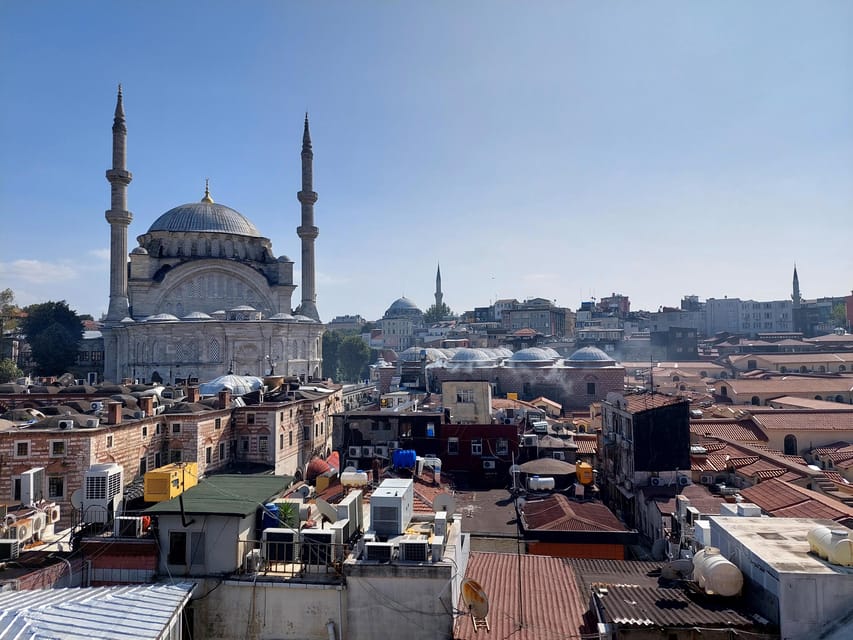
- Rooftop views: Visit exclusive rooftop spots for unusual views across the Grand Bazaar.
- Working workshops: See artisans, including silversmiths, goldsmiths, tile makers, and artists, at work.
- Secret routes: Walk through lesser-seen passages, courtyards, hans, and upper-floor spaces.
- Strong local guidance: Guides including Mertcan explain the Bazaar’s layout, trade, customs, and history.
- Tea included: Turkish tea or apple tea is part of the experience, sometimes served with a rooftop view.
- Stairs are unavoidable: Wear sturdy shoes and be ready for a lot of climbing.
Why a guide helps inside the Grand Bazaar
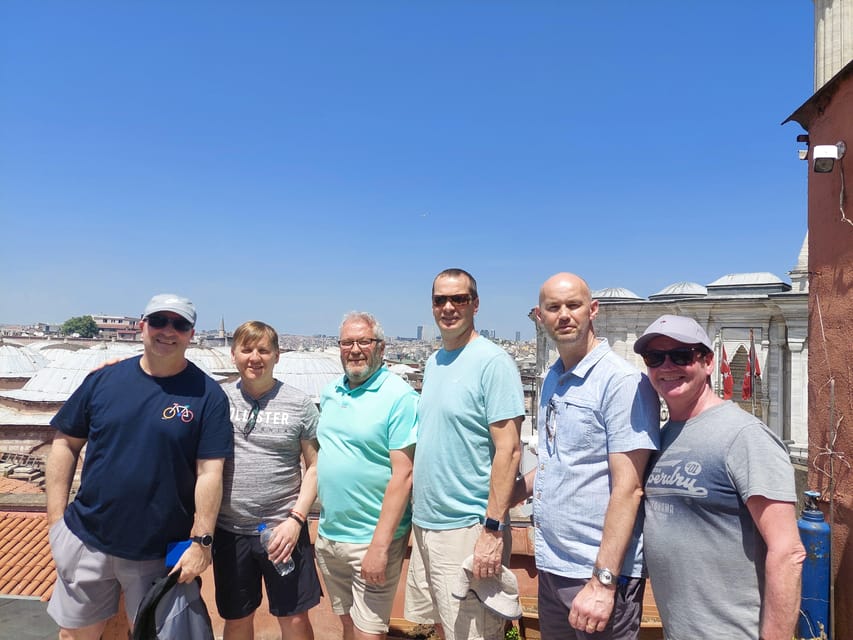
The Grand Bazaar is easy to enter and surprisingly hard to understand. You can walk through its main lanes alone, but the shops, sections, courtyards, workshops, and upper floors can blur together quickly. A guide gives you a map in your head.
That matters because this is not simply a collection of souvenir stalls. The Bazaar has long connected traders, craftsmen, pilgrims, and customers from different parts of the East and West. Its lanes developed around trades, and the tour helps you see how that system still shapes the market.
I like the way this experience begins with orientation rather than sending you straight into a shopping pitch. You learn how to move through the complex, where different goods are sold, and which areas feel more like working trade quarters than visitor-facing shops.
The guides also use a receiver system on many tours. That small detail is useful in a noisy market. You can keep walking while still hearing the guide instead of gathering around and missing half the explanation.
More bazaar visits in Istanbul:
- Istanbul: Hagia Sophia, Blue Mosque and Grand Bazaar Tour
★ 4.5 · 222 reviews - Small-Group Bosphorus Cruise and Istanbul’s Egyptian Bazaar
★ 3.5 · 208 reviews - Istanbul: Hagia Sophia, Blue Mosque, Cistern & Bazaar Tour
★ 4.9 · 189 reviews
Starting near Çemberlitaş and the Column of Constantine
The meeting point is near the Column of Constantine on Vezirhan Cd. The exact starting point can vary with the option you book, so check your confirmation carefully. From there, the walk heads through the Çemberlitaş area toward the Grand Bazaar.
Çemberlitaş is a useful place to begin because it puts the Bazaar in its wider historic setting. The Column of Constantine is one of Istanbul’s older landmarks, and the nearby streets lead you toward the commercial heart of the Old City.
You should expect a walking tour from the start. The first stops are mainly photo pauses and explanations rather than long visits. That is a good rhythm for the opening section, since you get your bearings before entering the maze.
Bring water, especially in warm weather, though the included tea later gives the walk a welcome pause. Comfortable shoes are not optional here. The route includes stairs and uneven surfaces, and the Bazaar’s upper levels are reached by climbing rather than lifts.
Nuruosmaniye Mosque and the approach to the market
The route includes a stop at Nuruosmaniye Mosque, another important landmark beside the Grand Bazaar. You have time for photographs and a short walk, while the guide places the market within the surrounding historic district.
This part of the route helps you see the Bazaar as part of a larger urban network. Mosques, roads, trading buildings, courtyards, and market lanes all sit close together. You are not just visiting an enclosed shopping hall. You are moving through a district shaped by commerce and religious life.
Do not expect a full mosque visit with extended interior time. The stop is listed as a photo stop and walk, so its value comes from context and orientation. It is a brief but useful bridge between the city outside and the market within.
Kalcılar Han and the older trading quarters
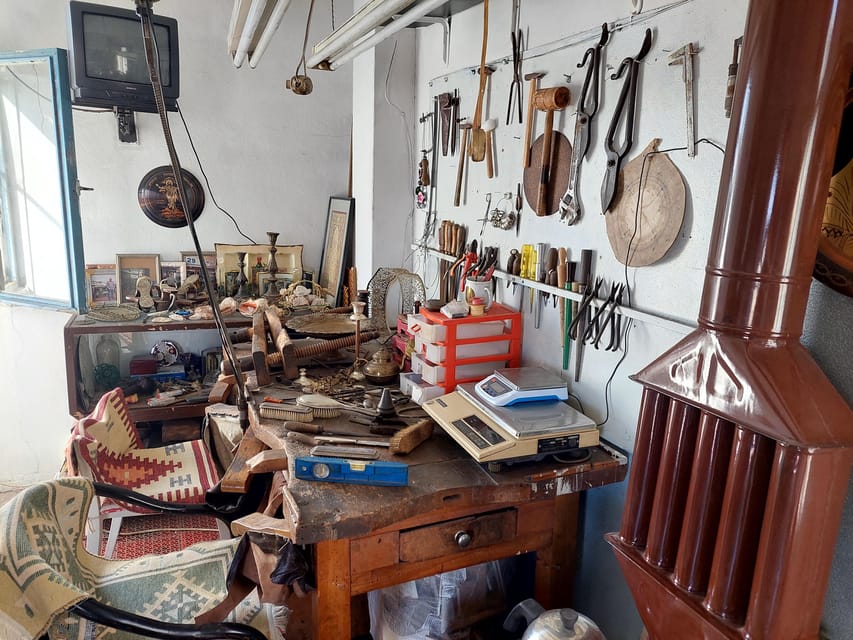
Kalcılar Han Gümüşçüler Çarşısı offers a look at one of the Bazaar’s traditional commercial areas. A han is a trading building, and these spaces help explain how merchants and craftsmen once worked in organized quarters.
This is one of the places where a guide adds real value. Without local direction, you might walk past a doorway or courtyard without understanding what it is. With an explanation, the building becomes part of the Bazaar’s working structure.
The silver connection is especially fitting because jewelry and precious metals remain an important part of the market. The tour is designed to show you more than finished goods in display cases. You may see the quieter side of production and trade, where skill and long practice matter as much as the sales floor.
Shopping is possible during parts of the walk, but keep your expectations in check. The group moves from place to place, so you may not have time to negotiate, compare pieces, or return to a shop later. If something catches your eye, tell the guide rather than assuming you can find the place again.
A few more Istanbul experiences to weigh up
- Istanbul: Hagia Sophia, Blue Mosque, and Grand Bazaar Tour
★ 4.5 · 162 reviews - Culinary Backstreets of the Bazaar Quarter
★ 5.0 · 118 reviews - Istanbul Old City: Basilica Cistern – Blue Mosque – Grand Bazaar
★ 5.0 · 112 reviews - Morning Istanbul: Half-Day Tour with Blue Mosque, Hagia Sophia, Hippodrome and Grand Bazaar
★ 4.5 · 103 reviews
Zincirli Han and the first real look behind the scenes
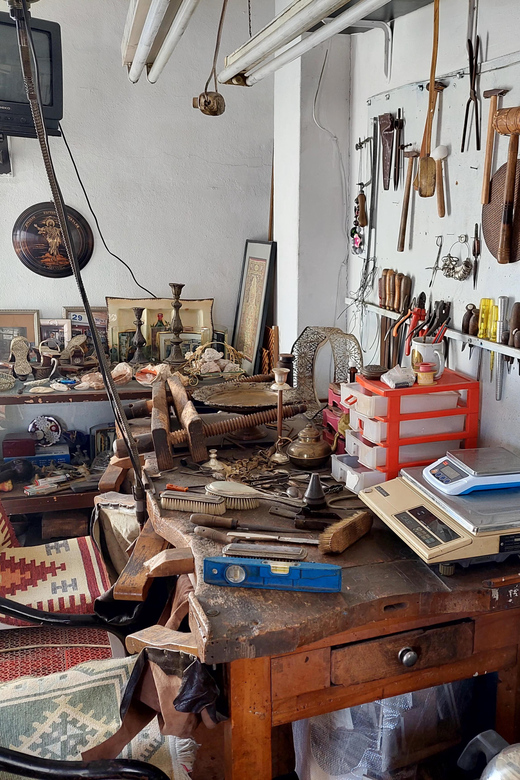
Zincirli Han is one of the main stops. Here you have a guided visit rather than just a passing photograph. The han gives you a clearer sense of the Bazaar’s courtyards, upper floors, and quieter working spaces.
This is where the tour starts to feel different from a standard Grand Bazaar walk. Instead of staying on the busiest retail lanes, you move into places that can be easy to miss. The guide may explain how businesses operate, how different trades are grouped, and how old commercial customs continue in modern form.
Several of the route’s most memorable encounters happen in these less public areas. You might meet shop owners or artisans and hear about their work directly. A retired silversmith is one especially distinctive example, with a lifetime spent making vast numbers of silver pieces.
These meetings are not presented as staged performances. The experience is strongest when you treat them as brief introductions to people who keep the Bazaar functioning. You may also be offered tea in a workshop or shop, which adds a warm, personal pause to the history lesson.
Eirene Tower and the value of looking up
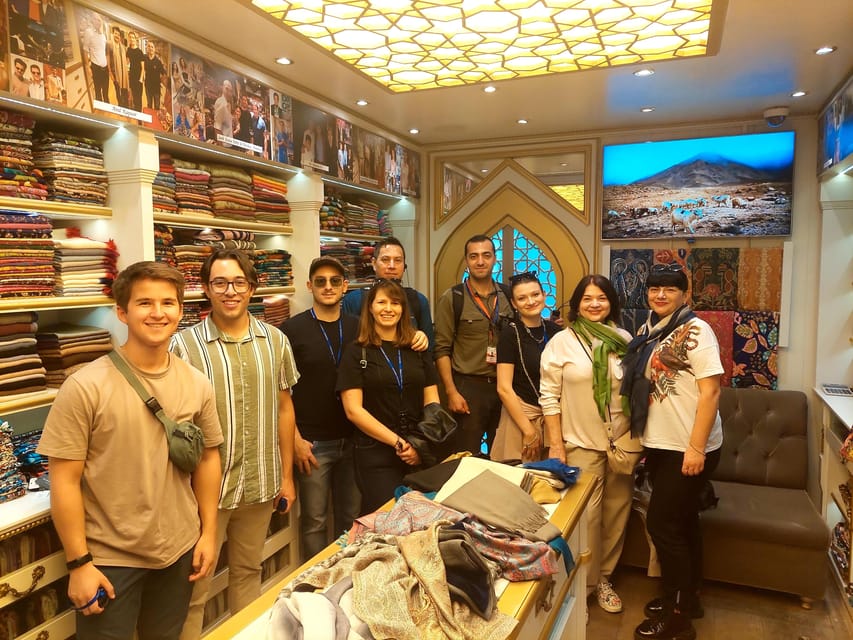
Eirene Tower Sanat Galerisi is another visit and photo stop. The name points to an art gallery setting, and this section adds a creative side to the tour alongside the metalwork and trading history.
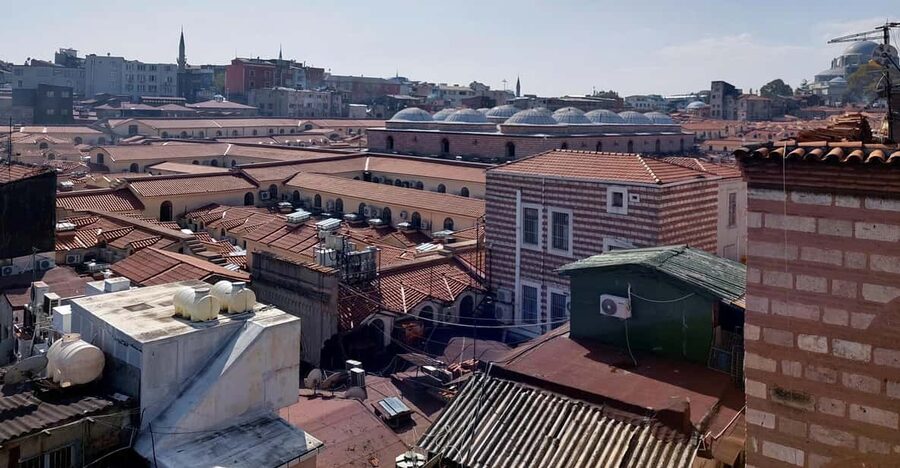
The upper floors and rooftops are among the tour’s biggest draws. From above, the Grand Bazaar stops looking like a confusing set of lanes and starts to look like a dense, organized district. The roofs, courtyards, and surrounding city give you a better sense of its scale.
The views are excellent for photographs, but they are also useful for orientation. After seeing the Bazaar from above, you can better understand why it feels so easy to lose your direction below. The tour’s rooftop access is not the kind of viewpoint you would normally find by wandering through the public shopping lanes.
There is a catch. Reaching these views means climbing. Some stairways can feel steep, narrow, or awkward, and you need to pay attention to your footing. If stairs are difficult, tell the guide at the beginning. Parts of the route can be skipped, though you will miss some of the most unusual views.
Sağır Han, artisan spaces, and the living Bazaar
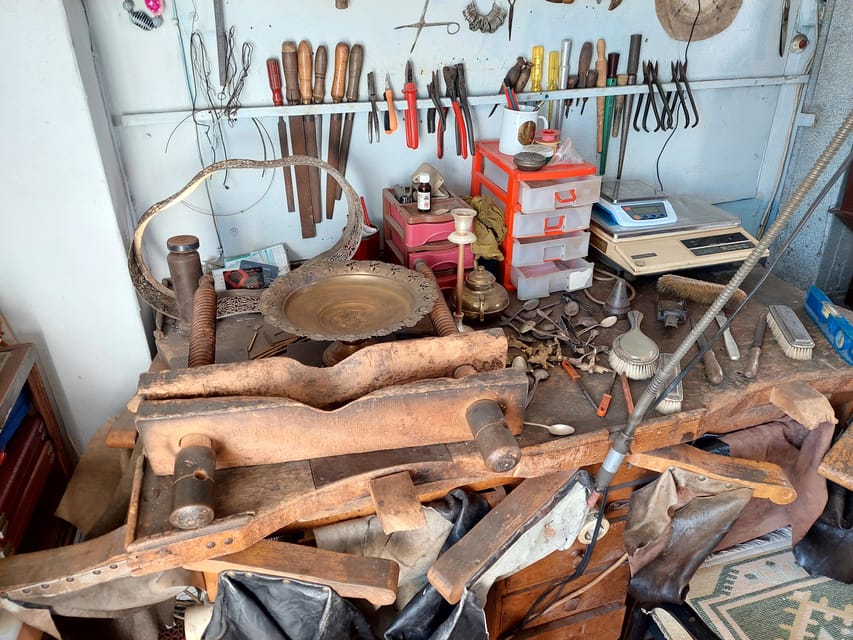
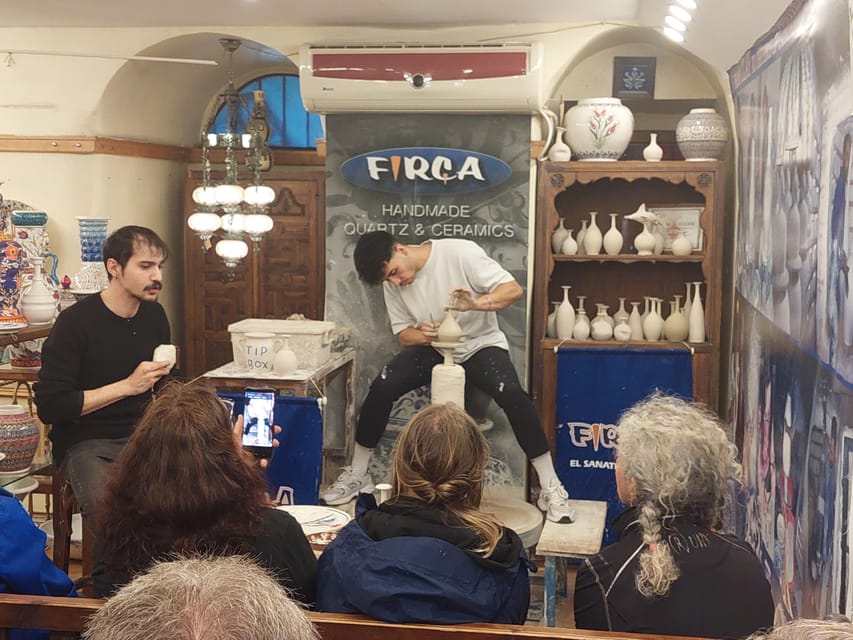
The guided visit to Sağır Han continues the behind-the-scenes theme. Upper-floor workshops and quieter passages show a side of the market that is easy to overlook when the main lanes are full of carpets, lamps, jewelry, and souvenirs.
You may see artisans connected with Turkish crafts, including silverwork, goldwork, tiles, pottery, miniature prints, or other decorative arts. The exact encounters can vary, but the point is consistent: you see people making and trading objects, not just selling them.
This is also where the tour’s cultural story becomes more concrete. The Grand Bazaar has been shaped by movement between regions and by the exchange of materials, skills, and ideas. A workshop visit makes that history easier to grasp than a list of dates.
One useful feature is the shopping advice. Guides can suggest areas where you are more likely to find fair prices or a suitable product, and they can help you understand the difference between a casual browse and a serious purchase. You are not required to buy anything. The tour’s tone is generally low-pressure, which is important in a place known for energetic salesmanship.
The main Grand Bazaar lanes and what this tour is not
The final major stop is the Grand Bazaar itself, with time for walking, photographs, and some shopping. By this point, you have already seen quieter corners, so the main lanes should feel less confusing.
I would not book this tour if your main goal is to spend two hours choosing a carpet, comparing jewelry, or bargaining over souvenirs. The pace is active, and the group keeps moving. One useful way to handle this is to treat the tour as your first visit, then return afterward to shop with a better sense of direction.
That approach can save time and money. You learn which sections interest you, where particular crafts are sold, and how to get back toward the main gates. You also gain confidence before making a purchase.
Cash is worth carrying. One booking note specifically advises bringing Turkish lira because many Bazaar vendors deal in cash as part of established trading habits. The guide can explain more about how this works, but you should not assume every shop accepts cards.
Tea, baklava, and local food advice
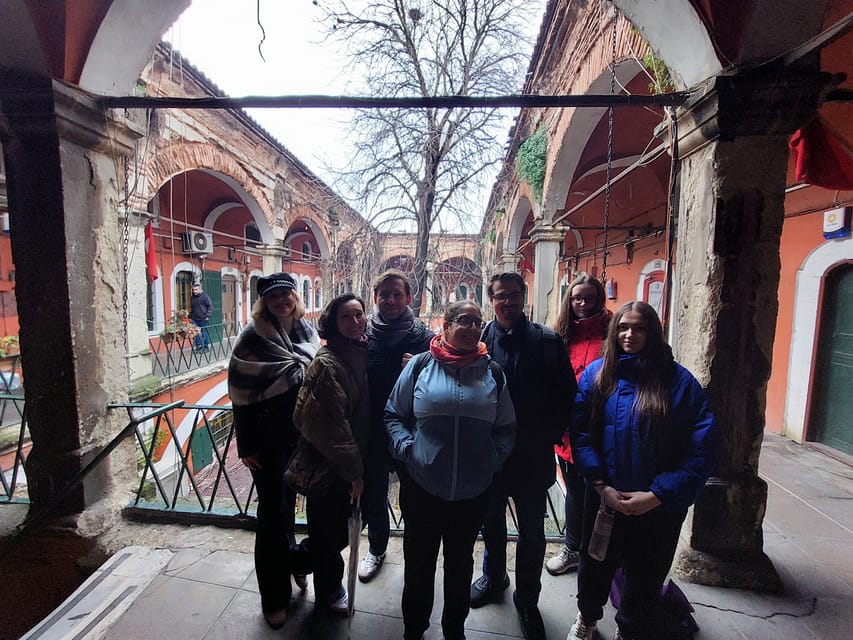
Turkish tea or apple tea is included. The break may take place in a shop or on a rooftop, and the setting can be as memorable as the drink. After the noise and stair climbing, a seated cup of tea gives you time to ask questions.
Food is not the main purpose of the tour, but guides can offer local suggestions for kebap, baklava, and other places to eat. One particularly practical tip is to carry cash for snacks such as baklava if you see something appealing along the way.
The tea stop also shows why this tour feels more personal than a simple route through the market. You get a chance to meet people connected with the Bazaar and see how hospitality fits into its daily rhythm.
Price, duration, and group size
The price is about $31 per person, with a running time of two to two and a half hours. That is fair value if you want access to rooftops, guided entry into lesser-seen buildings, historical explanation, and introductions to working artisans.
A self-guided visit costs less, of course. The Grand Bazaar itself does not require this tour to enter, and you can spend an entire afternoon browsing without paying for a guide. But the paid experience earns its keep through access, direction, and interpretation.
Private and small-group options are available. A smaller group should make it easier to hear explanations, ask questions, and move through narrow spaces. The live guide speaks English or Turkish, and the receiver equipment can help in crowded areas.
Timing matters. The Bazaar is closed on Sundays, and shops generally close around 7 p.m. Friday can also be affected by prayer breaks or shop closures. An afternoon tour may work well for sightseeing, but choose an earlier start if you want meaningful shopping time afterward.
Free cancellation up to 24 hours before the start and reserve-now, pay-later booking make it easier to fit the tour into a changing Istanbul schedule. The meeting point varies by booking option, so do not rely only on the general address.
Who will enjoy this most
I recommend this for a first visit to Istanbul, especially if the Grand Bazaar feels intimidating. It is also a good choice for repeat visitors who have seen the main lanes but never understood the buildings, trades, and upper floors.
Families can enjoy it, and several bookings describe the experience as suitable for groups, but children and slower walkers need to manage the stairs. Anyone with limited mobility may not be able to take part in every section.
This is a strong match for you if you enjoy:
- Local stories more than a simple list of dates
- Historic buildings and working craft spaces
- Photography from unusual viewpoints
- Small groups and direct conversation with a guide
- Learning how to shop before spending money
It is less suitable if you dislike climbing, want a slow pace, or prefer to browse independently. The tour covers a lot of ground, and you will not stop at every shop that catches your eye.
Should you book the Grand Bazaar rooftop tour?
I would book it if you want the Grand Bazaar to feel like a place rather than a shopping obstacle course. The rooftop views, upper-floor workshops, traditional hans, tea stop, and stories about merchants give the market a human shape.
Book it early in your Istanbul stay if possible. The orientation will help you return later for shopping, food, and photography. Give yourself sturdy shoes, some Turkish lira, and enough flexibility to climb carefully.
Skip it if you need an accessible route or want a dedicated buying session. For everyone else, $31 is a sensible price for a two-hour introduction to the Bazaar’s working life, especially with a guide such as Mertcan leading you through places you would be unlikely to find alone.
FAQ
How long does the Grand Bazaar tour last?
The tour lasts about two to two and a half hours.
How much does the tour cost?
The listed price is $31 per person.
What languages are available?
Live guiding is available in English and Turkish.
Is the tour private or shared?
Private and small-group options are available.
Are rooftop visits included?
Yes. Entrance to exclusive rooftops is included in the tour.
Is tea included?
Yes. Turkish tea or apple tea is included.
Does the tour include shopping time?
The tour includes some shopping, but it is mainly a guided history and behind-the-scenes experience. You should plan a separate visit if you want extended time to browse and buy.
More Shopping Tours in Istanbul
- Private Istanbul Shopping in Grand Bazaar with Personal Shopper
★ 5.0 · 68 reviews - Private 5-6h: Topkapi + Hagia Sophia + Blue Mosque + Grand Bazaar
★ 5.0 · 67 reviews - Imperial Istanbul Half-Day Tour: Hagia Sophia and Grand Bazaar
★ 3.5 · 64 reviews - Istanbul Mosaic Lamp Workshop in Grand Bazaar
★ 5.0 · 63 reviews
Latest additions around Istanbul
- Istanbul: Hagia Sophia Skip-the-Line Ticket with Live Guide★ 3.7 · 3 reviews
- Ephesus Private Tour From Istanbul including transfers & domestic fights★ 5.0 · 3 reviews
- 6 Days Multi City Turkey Tour★ 5.0 · 3 reviews
- Princess Islands Daily Tour from Istanbul★ 5.0 · 3 reviews
- Premium Line : Private Istanbul Tour : All Inclusive Package★ 4.3 · 3 reviews
- Private Istanbul Combo Tour – Classic Old City and Bosphorus Cruise★ 5.0 · 3 reviews
- Private tour: 12-Day Turkish Adventure Package Tour From Istanbul★ 4.5 · 3 reviews
- Istanbul: Hagia Sophia Guided Tour with Optional Ticket★ 3.3 · 3 reviews
Grand Bazaar & Spice Bazaar, compared.
Hagia Sophia, Blue Mosque and Grand Bazaar Tour
Read our review →
Small-Group Bosphorus Cruise and Istanbul’s Egyptian Bazaar
Read our review →
Hagia Sophia, Blue Mosque, Cistern & Bazaar Tour
Read our review →Hagia Sophia, Blue Mosque, and Grand Bazaar Tour
Read our review →
Istanbul Old City: Basilica Cistern – Blue Mosque – Grand Bazaar
Read our review →
Morning Istanbul: Half-Day Tour with Blue Mosque, Hagia Sophia, Hippodrome and Grand Bazaar
Read our review →
Private Istanbul Shopping in Grand Bazaar with Personal Shopper
Read our review →Browse the lists this tour appears in