
Reviewed · HISTORICAL TOURS
Journey Through Istanbul’s History
Istanbul’s old city is best understood as a chain of connected stories, and this tour links many of them in one long stretch. You begin at the Hippodrome, move through the Blue Mosque and Hagia Sophia, then continue toward book stalls, mosques, bazaars, and the New Mosque by the Golden Horn.
I like the wide sweep of the route and the chance to compare Byzantine monuments with Ottoman buildings in a single outing. I also like the small pause at Çorlulu Alipaşa Medrese for tea or coffee, since it adds a quiet courtyard moment to a day filled with major sights.
The main consideration is pace. Ten stops in roughly four to five hours means most places receive a brief visit, not a full architectural study. Hagia Sophia’s €25 entrance fee is extra, and the mosque may be best treated as a focused visit rather than a leisurely exploration.
In This Review
- Key points to know before booking
- A fast introduction to Istanbul at the Hippodrome
- Blue Mosque: tile, light, and living worship
- Hagia Sophia and the €25 decision
- A calm courtyard at Çorlulu Alipaşa Medrese
- Sahaflar Çarşısı and the old world of books
- Beyazıt Mosque and a look at Ottoman civic life
- Suleymaniye Mosque and the Ottoman high point
- Grand Bazaar: useful orientation, limited shopping time
- Spice Bazaar and Yeni Cami near Eminönü
- What the $67 price really covers
- Who will get the most from this tour
- Should you book Journey Through Istanbul’s History?
- FAQ
- How long does the tour last?
- What language is the tour offered in?
- Is Hagia Sophia admission included?
- What is included in the tour price?
- Where does the tour start?
- Where does the tour end?
- How many people can join the tour?
- Can I cancel for a full refund?
Key points to know before booking
- Ten historic stops in 4 to 5 hours: You cover the Hippodrome, three major mosques, two bazaars, a book market, and a historic medrese.
- A guide-led history lesson: An English-speaking licensed guide explains how Byzantine and Ottoman Istanbul overlap at nearly every turn.
- Hagia Sophia costs extra: Entry is not included and costs €25 per person. You can skip the interior and still receive information from outside.
- Tea or coffee in a former school: Çorlulu Alipaşa Medrese provides a short break in a historic courtyard.
- A small group setting: The tour accepts a maximum of 15 participants, giving the guide more room to answer questions than a large coach tour.
- Strong personal guide feedback: Eren and Ahmet are praised for storytelling, local details, Turkish coffee, tea, and even an authentic kebab.
A fast introduction to Istanbul at the Hippodrome
Your meeting point is the German Fountain beside Sultanahmet Square. This puts you right in the heart of Istanbul’s historic peninsula, where the ancient Hippodrome once hosted chariot races, ceremonies, and public gatherings during the Byzantine era.
The 20-minute stop is short, but it gives you a useful map of the city’s past. You’ll see the Egyptian Obelisk, the Serpent Column, and the Walled Obelisk. These monuments are not simply decoration in a square. They show how rulers brought symbols from older civilizations into the city and reused the same public space across centuries.
I like beginning here because the Hippodrome gives context before you enter the mosques. Look closely at how little of the original racetrack survives as a racetrack, yet how clearly its role remains in the shape and importance of the square. Your guide can help turn a quick look at stone monuments into a story about imperial power, public spectacle, and Istanbul’s layered past.
There is no admission charge for this stop. Still, the 20-minute limit means you should not expect a detailed archaeological tour. Think of it as an orientation, with the best photos and explanations concentrated around the three surviving monuments.
More historic Istanbul visits:
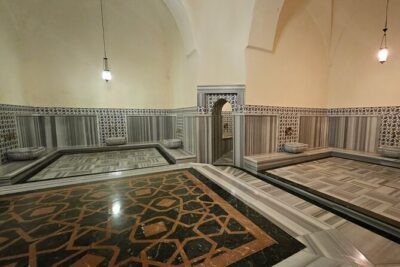
- Istanbul Gedikpasa Historical Turkish Bath with Privacy Option
★ 5.0 · 1,285 reviews - Istanbul: Acemoglu Historical Turkish Bath w/Private Options
★ 4.6 · 1,190 reviews - Istanbul: Gedikpasa Historical Hammam with Privacy Add-On
★ 4.8 · 918 reviews
Blue Mosque: tile, light, and living worship
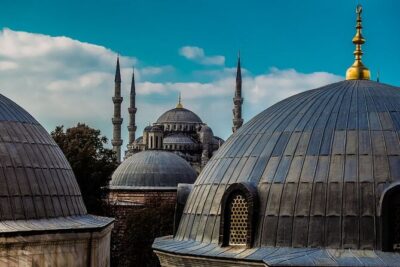
The Blue Mosque, officially the Sultanahmet Mosque, is one of the architectural highlights of the morning. Sultan Ahmed I commissioned it in the 17th century, and its six minarets and blue İznik tiles give it an instantly recognizable profile.
The visit moves from the courtyard into the prayer hall, where the scale changes quickly. The interior is known for its tile work, colored light, and careful balance between decoration and structure. This is an active place of worship, not only a historic monument, so your guide’s direction matters. Modest clothing and respectful behavior are essential in any working mosque.
The scheduled visit is 20 minutes, admission is free, and that makes this a valuable stop. You receive the main visual experience without paying an additional ticket. The tradeoff is that the time is tight. If you want to study tile patterns or architectural details at length, you may want to return independently.
The mosque’s six minarets are also part of its story. Their presence caused controversy when it was built because the great mosque in Mecca had the same number at the time. That specific historical detail is the sort of point that makes a guide useful, though only information explicitly included in the tour is guaranteed.
Hagia Sophia and the €25 decision
Hagia Sophia is the most complicated and important stop on the route. Built in 537 under Byzantine Emperor Justinian I, it has served as a church, a mosque, and a museum. Its dome, vast interior, mosaics, and Islamic additions reflect the different eras that shaped Istanbul.
You have about 25 minutes here. The entrance fee is not included and costs €25 per person. You can choose not to enter, in which case the guide provides information from outside and continues the tour without disrupting the rest of the schedule.
That choice matters. If this is your first visit to Istanbul, I would budget for the entrance unless you have already seen Hagia Sophia or have limited interest in interiors. The building’s importance is not only in its age. It is in the way Byzantine engineering, Christian decoration, and Ottoman religious use share one structure.
At the same time, 25 minutes is not a long visit for a building of this scale. The tour gives you an introduction, not an exhaustive look at every mosaic, inscription, or architectural feature. If Hagia Sophia is a top priority, you may prefer to spend extra time there on another visit and use this tour for its wider historical route.
A calm courtyard at Çorlulu Alipaşa Medrese
After the grand mosques, Çorlulu Alipaşa Medrese offers a change of mood. Built in the 18th century and named for Ottoman commander Çorlulu Ali Paşa, this former Islamic theological school has decorative tile work, carved details, and a courtyard atmosphere.
The stop lasts 30 minutes, longer than several of the major monuments. Coffee and tea are included, giving you a chance to sit, rest, and absorb the setting instead of moving from one landmark to the next without pause.
Today, the medrese serves as a cultural center and exhibition space for traditional Turkish arts, crafts, and contemporary displays. The exact exhibition may vary, but the setting itself is part of the appeal. I especially like this stop for the contrast it creates. The Blue Mosque and Hagia Sophia are grand public monuments. The medrese feels more intimate and connected to daily neighborhood life.
This is also where the guide’s local personality may add value. The strongest feedback names Eren and Ahmet, with praise for their storytelling and for including Turkish coffee, tea, and local food. The tour details specifically promise a short tea and coffee break, while the kebab is mentioned in one account and should not be treated as a guaranteed inclusion.
Two continents, plenty of other ways to spend a day:
- Istanbul: Bosphorus Dinner Cruise & Show with Private Table
★ 4.8 · 44,561 reviews - Istanbul: Daytime or Sunset Sightseeing Cruise & Audio Guide
★ 4.8 · 14,430 reviews - Istanbul: Bosphorus Dinner Cruise with Turkish Night Show
★ 4.8 · 10,127 reviews - Best of Istanbul 1, 2 or 3-Day Private Guided Istanbul Tour
★ 5.0 · 8,922 reviews
Sahaflar Çarşısı and the old world of books
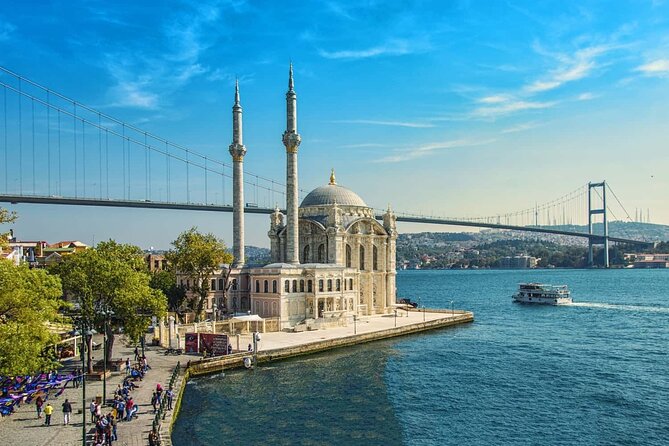
Sahaflar Çarşısı, or the Book Bazaar, is a compact stop of about 15 minutes. Its shops sell rare and antique books, manuscripts, prints, maps, and calligraphy. Even if you do not plan to buy anything, the market offers a different view of Turkish culture than the larger souvenir bazaars.
The short visit is enough to see the character of the place, but not enough for serious browsing. If you collect books or enjoy Ottoman calligraphy, make a note of the location and return later with time to spare. The tour’s purpose here is to show you a historic market and explain its place in Istanbul’s intellectual life.
I like that this stop breaks up the sequence of mosques. It also offers a chance to see a form of commerce based on paper, scholarship, and collecting rather than only carpets, jewelry, or spices. The surrounding Ottoman-era setting adds to the sense of continuity.
Beyazıt Mosque and a look at Ottoman civic life
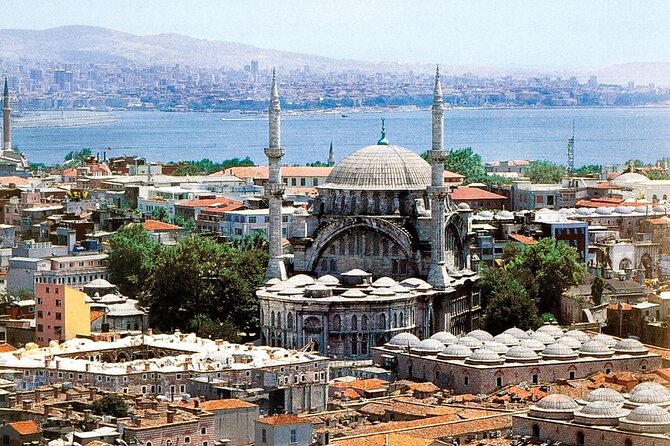
Beyazıt Mosque receives about 20 minutes, with admission included. It sits near Beyazıt Square and is known for its central dome, tile work, and four tall minarets.
The mosque is valuable partly because it connects religious architecture with community life. It has served as a place of worship and gathering for centuries. Your guide can point out how the dome, minarets, and interior decoration fit into the broader Ottoman design tradition.
Because this is another mosque visit in a tour already featuring the Blue Mosque and Suleymaniye Mosque, some visitors may feel the repetition. I see that repetition as useful if you pay attention to differences in scale, decoration, setting, and period. If you are mainly interested in headline sights, the stop may feel brief. If you want to understand Ottoman mosque design as a sequence, it helps build the picture.
Suleymaniye Mosque and the Ottoman high point
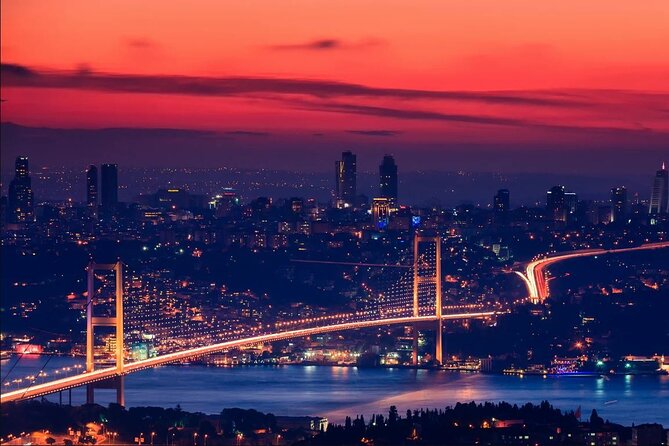
Suleymaniye Mosque is one of the major architectural stops. Sultan Suleyman the Magnificent commissioned it in the 16th century, and its design served both religious and educational purposes.
The interior includes calligraphy, tile work, and stained glass. The mosque was built to handle large congregations, so its design combines beauty with practical function. That balance is important. Ottoman mosques were not just royal displays. They were working centers of worship and education.
You have about 25 minutes, and there is no separate admission fee. As with the Blue Mosque, dress and conduct should reflect the fact that this remains a place of worship.
I like seeing Suleymaniye after Beyazıt because the comparison helps you notice development within Ottoman architecture. The tour does not give you a full afternoon to sit with the building, but the guide can explain why Suleymaniye is tied so closely to Suleyman’s reign and to the Ottoman imperial vision.
Grand Bazaar: useful orientation, limited shopping time
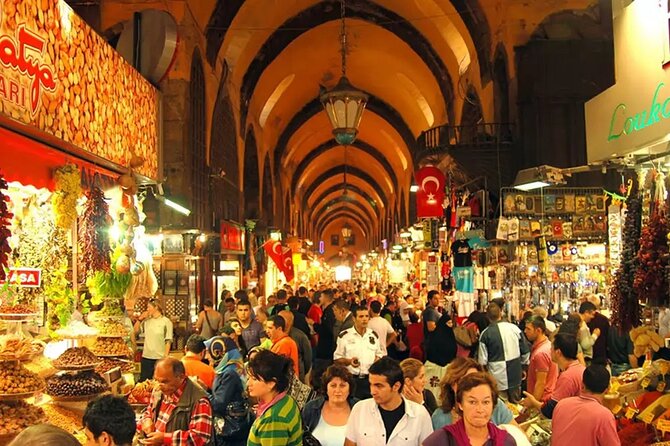
The Grand Bazaar is scheduled for 25 minutes, with admission included. Since the market contains more than 4,000 shops selling carpets, textiles, jewelry, ceramics, spices, and other goods, 25 minutes is enough for a first look but not a serious shopping expedition.
This is the place to experience Istanbul’s traditional bargaining culture. You can watch how merchants present their goods and get a sense of the market’s scale. But you should avoid making a rushed purchase simply because the tour is moving on. If you want to buy a carpet, jewelry, or a costly craft item, return independently when you can compare shops and prices without a clock running.
The Grand Bazaar has operated since the 15th century, and its appeal is as much about the setting as the merchandise. Covered lanes, old trading traditions, and the sheer number of shops create a strong sense of place. Still, the tour will not allow enough time to inspect every section.
I would treat this as a guided introduction. Let the guide help you understand what you are seeing, note any shops or products that interest you, then come back later if you want to shop carefully.
Spice Bazaar and Yeni Cami near Eminönü
The Spice Bazaar, also called the Egyptian Bazaar, receives about 20 minutes and admission is free. Its stalls sell spices, herbs, teas, sweets, and other food products. The narrow passages are designed for browsing, tasting, and bargaining, though the tour schedule allows only a quick pass through.
This is a sensory stop, but do not let the colorful displays push you into buying before you have compared prices. I find it more useful to look at the range of goods and notice how the market differs from the Grand Bazaar. The Grand Bazaar is a broad shopping world. The Spice Bazaar has a stronger focus on food, drink, and edible gifts.
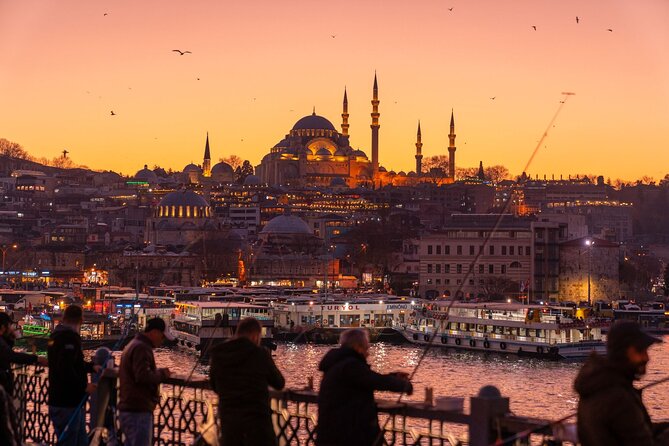
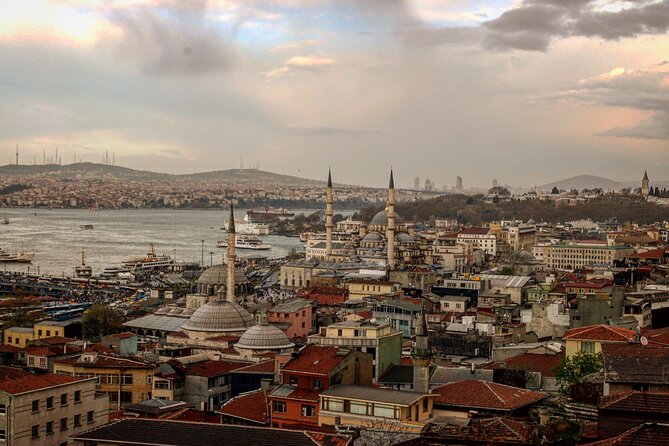
The tour ends at Yeni Cami, or the New Mosque, in Eminönü. Built in the 17th century, it has a large dome, six minarets, tile work, calligraphy, and chandeliers. Its courtyard and nearby food stalls make it a fitting final stop in the historic peninsula.
The end point is practical. Yeni Cami is at Rüstem Paşa, Yeni Cami Cd. No. 3, close to the main activity of Eminönü and near public transportation. You finish amid markets, mosque architecture, and local food rather than at an isolated bus drop-off.
What the $67 price really covers
At $67 per person, the main value is the guide and the structure of the route. You are not paying for a series of costly tickets. Most stops are free, while Hagia Sophia requires an extra €25 entry fee if you go inside.
The tour includes a private licensed guide, coffee or tea, and admission to Beyazıt Mosque and the Grand Bazaar. The word private should be read alongside the maximum group size of 15. This is a small group experience rather than a one-to-one tour, so ask about the exact group arrangement if having a fully private guide is important to you.
The price makes the most sense for a first or second day in Istanbul. You get a broad orientation to Sultanahmet, Beyazıt, and Eminönü without having to plan each connection yourself. The guide can also point out less obvious places, especially the medrese and Book Bazaar.
The price is less compelling if you have already explored the old city and prefer long, self-guided visits inside each monument. The short time at each stop is the cost of covering so much ground.
Who will get the most from this tour
I would choose this experience if you want a strong first look at Istanbul’s historic center and prefer explanation over independent wandering. It suits people who want Byzantine and Ottoman history presented together, especially those who might miss the significance of a courtyard, column, or market without context.
It is also a good fit if you enjoy a guide with a personal touch. Eren and Ahmet are specifically praised for warm storytelling and for showing less obvious parts of Istanbul. The tea and coffee break supports that friendly, informal feel.
You should think twice if you want extended shopping time, lengthy photography stops, or a detailed architectural study of Hagia Sophia. The itinerary is full, and the 4 to 5-hour estimate can feel brisk once you include mosque visits and market passages.
The tour is offered in English, confirmation arrives at booking, and most people can participate. It is near public transportation, begins at the German Fountain, and ends at Yeni Mosque. Free cancellation is available up to 24 hours before the start time. Changes or cancellations inside that window are not accepted for a refund.
Should you book Journey Through Istanbul’s History?
Book it if you want one well-organized morning or afternoon that connects the city’s major old-town sights with smaller cultural stops. The strongest reasons are the licensed guide, manageable maximum group size, free mosque visits, and the rare chance to add the Book Bazaar and Çorlulu Alipaşa Medrese to the usual Sultanahmet circuit.
Before booking, set aside the extra €25 for Hagia Sophia if you want to enter, and accept that each stop is an introduction. I would recommend it most for first-time visitors who want a clear historical framework, friendly guiding, and a taste of local market life without spending the whole day planning the route.
FAQ
How long does the tour last?
The tour lasts approximately 4 to 5 hours. It includes ten stops across Istanbul’s historic peninsula.
What language is the tour offered in?
The tour is offered in English and includes a private licensed tour guide.
Is Hagia Sophia admission included?
No. Hagia Sophia entry costs €25 per person and is paid separately. If you choose not to enter, the guide provides information from outside and continues the tour.
What is included in the tour price?
Coffee and/or tea, a private licensed tour guide, admission to Beyazıt Mosque, and admission to the Grand Bazaar are included.
Where does the tour start?
The tour starts at the German Fountain at Binbirdirek, At Meydanı Cd, in Istanbul’s Fatih district.
Where does the tour end?
The tour ends at Yeni Mosque, also called Yeni Cami, at Rüstem Paşa, Yeni Cami Cd. No. 3, in Eminönü.
How many people can join the tour?
The activity accepts a maximum of 15 participants.
Can I cancel for a full refund?
Yes. You can cancel at least 24 hours before the experience start time for a full refund. Cancellations or changes made less than 24 hours before the start time are not accepted for a refund.
Latest additions around Istanbul
- Istanbul: Hagia Sophia Skip-the-Line Ticket with Live Guide★ 3.7 · 3 reviews
- Ephesus Private Tour From Istanbul including transfers & domestic fights★ 5.0 · 3 reviews
- 6 Days Multi City Turkey Tour★ 5.0 · 3 reviews
- Princess Islands Daily Tour from Istanbul★ 5.0 · 3 reviews
- Premium Line : Private Istanbul Tour : All Inclusive Package★ 4.3 · 3 reviews
- Private Istanbul Combo Tour – Classic Old City and Bosphorus Cruise★ 5.0 · 3 reviews
- Private tour: 12-Day Turkish Adventure Package Tour From Istanbul★ 4.5 · 3 reviews
- Istanbul: Hagia Sophia Guided Tour with Optional Ticket★ 3.3 · 3 reviews
Historical Tours, compared.
Istanbul Gedikpasa Historical Turkish Bath with Privacy Option
Read our review →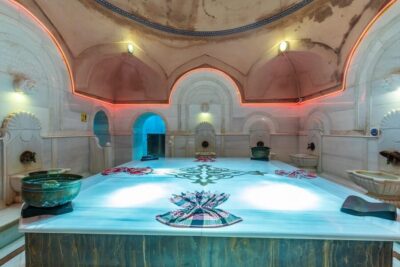
Acemoglu Historical Turkish Bath w/Private Options
Read our review →
Gedikpasa Historical Hammam with Privacy Add-On
Read our review →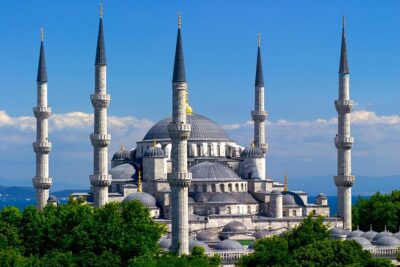
Istanbul Historical Tour with Guide, Lunch and Transfers
Read our review →
All in One Day Istanbul – Historical Tour of Istanbul with Bosphorus Cruise
Read our review →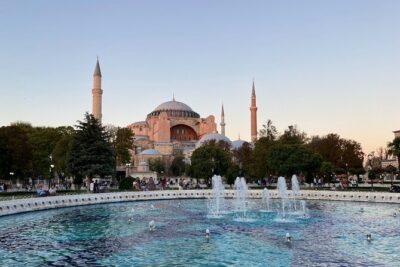

Browse the lists this tour appears in