Reviewed · PRIVATE
Turkey Biblical Tour (Private)
Turkey’s biblical sites are not gathered in one tidy archaeological park. They stretch across the country, from Istanbul’s imperial monuments to the Aegean ruins of Ephesus and the cave churches of Cappadocia. This private 10-day tour solves the distance problem with a guide, driver, domestic flights, hotels, lunches, and entrance fees arranged in one package.
I especially like two things here: the direct connection between the ruins and passages from Acts and Revelation, and the flexibility of traveling with only your own party. Guides such as Ertunga and Umut are praised for explaining both Scripture and modern Turkish culture. The tradeoff is simple: this is a busy route with several long drives, so it suits you better if you want serious sightseeing than lazy afternoons.
In This Review
- Key points to know before booking
- Why this private biblical route works
- Days 1 and 2: Istanbul’s imperial and Christian past
- Day 3: Bosphorus views and the move to Kuşadası
- Day 4: Troy, Alexandria Troas, and Assos
- Day 5: Pergamon, Thyatira, and Smyrna
- Day 6: Sardis, Philadelphia, and Pamukkale
- Day 7: Laodicea and the unexcavated Colossae
- Day 8: Ephesus, Mary’s House, and St. John’s Basilica
- Day 9: Cappadocia’s cave churches and fairy chimneys
- Day 10: Underground Kaymaklı and Cappadocia’s valleys
- Guides, vehicles, and the human side of the trip
- Who should book, and who should think twice?
- Should you book the Turkey Biblical Tour?
- FAQ
- How long is the Turkey Biblical Tour?
- Is this a private tour?
- What is included in the price?
- Are dinners included?
- Is a Cappadocia hot-air balloon ride included?
- Where does pickup take place?
- Can I cancel for a full refund?
Key points to know before booking
- The route connects Istanbul, Troy, the Seven Churches, Ephesus, and Cappadocia in one long arc across Turkey.
- Private transport matters here, since several ancient sites are remote and public transport would be awkward or slow.
- Eight lunches, hotels, domestic flights, parking, guiding, and entry fees are included, but dinners, tips, and a Cappadocia balloon flight cost extra.
- Biblical context is central, especially at Alexandria Troas, Pergamon, Smyrna, Sardis, Philadelphia, Laodicea, Colossae, and Ephesus.
- The final days shift from ruins to unusual scenery, with fairy chimneys, underground cities, valleys, and cave dwellings.
- The pace is active, with walking at archaeological sites, uneven ground, stairs, and some long days on the road.
Why this private biblical route works
At $3,604.57 per person, this is not a bargain-basement holiday. It is closer to a fully arranged study tour with private transport. You are paying for the hard parts: moving between scattered sites, coordinating hotels and flights, arranging entrance tickets, and having a local guide explain what you are seeing.
The value improves if you would otherwise need to organize several separate trips. Istanbul, the Aegean coast, western Anatolia, and Cappadocia are not easy to link independently in 10 days. A private van and domestic flights remove much of that work.
You also get a more personal experience than a large coach tour. The guide can stop to answer your questions, adjust the pace, and spend more time at places that matter to you. Past guides have included Ertunga, Umut, and Maria, with drivers such as Ismail and Vecdi, also written as Vegi or Veggie in some accounts. The exact team can vary, but the strongest praise focuses on care, patience, historical explanation, and practical help.
The package is called all-inclusive, but read that label carefully. Eight lunches are covered. Dinners and gratuities are not. A hot-air balloon ride in Cappadocia is also extra, and that flight is one of the most costly optional additions in the region.
A few more Istanbul experiences to weigh up
- Istanbul: Bosphorus Dinner Cruise & Show with Private Table
★ 4.8 · 44,561 reviews - Best of Istanbul 1, 2 or 3-Day Private Guided Istanbul Tour
★ 5.0 · 8,922 reviews - Istanbul: Private Turkish Bath, Massage, and Spa in Old City
★ 4.6 · 3,225 reviews
Days 1 and 2: Istanbul’s imperial and Christian past
Your first day is deliberately light. You are met at the airport, taken to your hotel, and given the evening to settle in. That transfer is useful after a long international flight, especially because the next day begins with major monuments.
Day 2 opens at the Byzantine Hippodrome, once the setting for public spectacles organized by emperors. You will not find a functioning stadium here, but the site gives you a useful starting point for understanding Constantinople as the capital of the Byzantine Empire.
The Blue Mosque follows. Its official name is the Sultan Ahmed Mosque, but the familiar nickname comes from the handmade blue tiles inside. Allow time for the practical realities of visiting an active place of worship. Modest clothing and respectful behavior are important, and opening arrangements can affect your time inside.
Hagia Sophia comes next, with about 90 minutes scheduled. It began as the Church of Holy Wisdom and later became an imperial mosque, museum, and mosque again. Few buildings connect Roman, Byzantine, Ottoman, Christian, and Islamic history so clearly. Your guide’s explanation is especially useful here because the building can feel visually overwhelming without a clear timeline.
Topkapı Palace takes another 90 minutes. This was the Ottoman sultans’ imperial residence, and it offers a different mood from Hagia Sophia: courtyards, state rooms, palace collections, and examples of Ottoman design. Admission is included.
The day ends at the Grand Bazaar, where more than 4,000 shops fill one of the world’s oldest covered markets. You have about an hour to walk and shop. I would treat this as a first look rather than a serious buying mission. The market is large, and an hour goes quickly once you stop to compare ceramics, carpets, jewelry, or leather goods.
Day 3: Bosphorus views and the move to Kuşadası
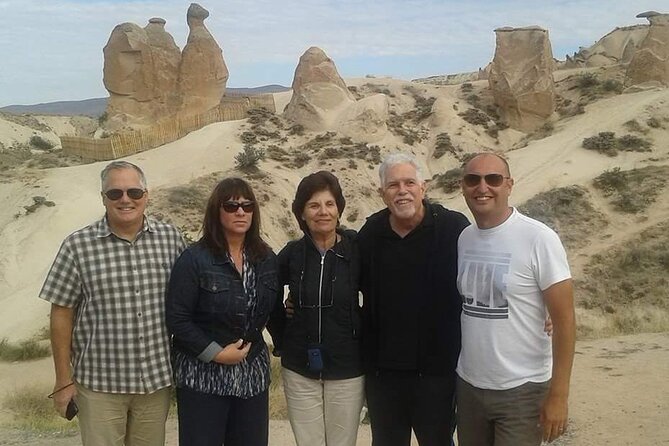
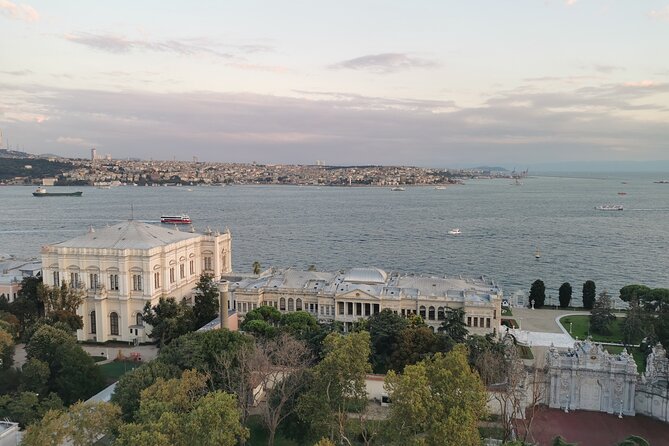
The two-hour Bosphorus cruise gives you a needed change of pace after Istanbul’s indoor monuments. From the water, you see the bridges, Dolmabahçe and Beylerbeyi palaces, the Anadolu and Rumeli fortresses, and waterfront houses lining the strait.
This is one of the tour’s more pleasant inclusions because it lets you understand Istanbul’s geography. The Bosphorus is not just a scenic waterway. It divides Europe and Asia and explains much of the city’s importance.
A visit to the Spice Market follows. This covered 17th-century market once housed much of Istanbul’s spice trade. You can browse food, sweets, teas, and small gifts, but do not confuse it with the much larger Grand Bazaar.
Afterward, you are transferred to the airport for a flight to Izmir, then driven to a hotel in Kuşadası. This is an efficient travel day, though not a restful one. Airport transfers and the drive after landing take time, so keep your evening simple.
Day 4: Troy, Alexandria Troas, and Assos
Day 4 brings you into the ancient Aegean world. Troy is famous because of Homer’s story, and the replica wooden horse makes the connection easy to see, even if the archaeological layers themselves require some imagination. The visit lasts about an hour and admission is included.
Alexandria Troas is smaller and more directly tied to the biblical route. Acts 16:8 places Paul here before he sailed toward Greece. Acts 20:5 to 12 also connects this area with the account of Eutychus. You get only about 30 minutes, so this is a short stop rather than a full archaeological exploration.
Assos is the final stop. Acts 20:13 to 14 describes Paul walking from Alexandria Troas to Assos while his companions traveled by sea. The site combines ancient remains with an attractive setting, but admission is not listed as included here, so confirm the current arrangement with the operator.
This day has a lot of driving and several places where the biblical importance is greater than the visible ruins. That is part of the appeal, but you should not expect every stop to look like Ephesus.
Two continents, plenty of other ways to spend a day:
- Istanbul: Daytime or Sunset Sightseeing Cruise & Audio Guide
★ 4.8 · 14,430 reviews - Istanbul: Bosphorus Dinner Cruise with Turkish Night Show
★ 4.8 · 10,127 reviews - Istanbul: Basilica Cistern Fast-Track Entry and Audio Guide
★ 4.6 · 7,521 reviews - Istanbul: Hagia Sophia Skip-the-Line Ticket & Museum Option
★ 3.7 · 4,958 reviews
Day 5: Pergamon, Thyatira, and Smyrna
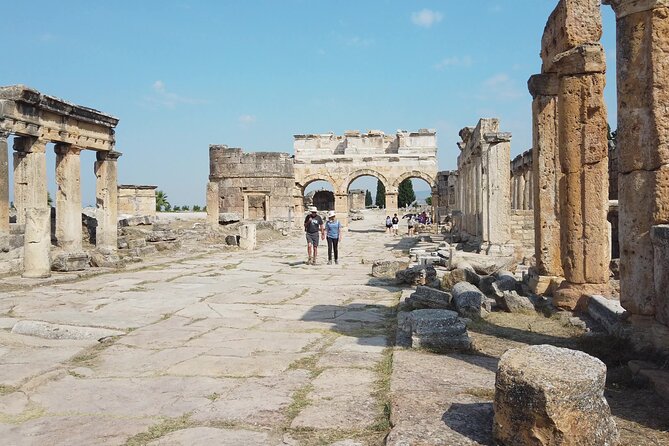
A three-hour drive from Assos leads to Pergamon, one of the grandest ancient sites on the route. The Acropolis includes the Temple of Athena, the Library of Pergamon, the Temple of Trajan, the theater, the Zeus Altar, and other remains. The steep setting is part of the drama, but it also means uneven walking and some exposure to sun.
Pergamon is one of the Seven Churches of Asia mentioned in Revelation 1:11. Revelation 2:13 refers to the city as the place of Satan’s throne. Your guide’s role matters here. Without biblical and political context, the ruins can blur into a long list of columns and stones.
The next stop is Akhisar, ancient Thyatira. The biblical connection is the church addressed in Revelation 2:18 to 28, along with Lydia, the seller of purple, who came from this city according to Acts 16:14. The visit is short, about 45 minutes, and the ancient remains are less visually complete than Pergamon.
The day ends in Izmir, ancient Smyrna. This is now Turkey’s third-largest city, not a preserved ruin. Revelation 2:8 to 11 addresses the church at Smyrna, with its message of endurance during hardship and persecution. Seeing a living Turkish city in the place of an ancient one helps you understand that these biblical centers were part of changing communities, not frozen museum displays.
Day 6: Sardis, Philadelphia, and Pamukkale
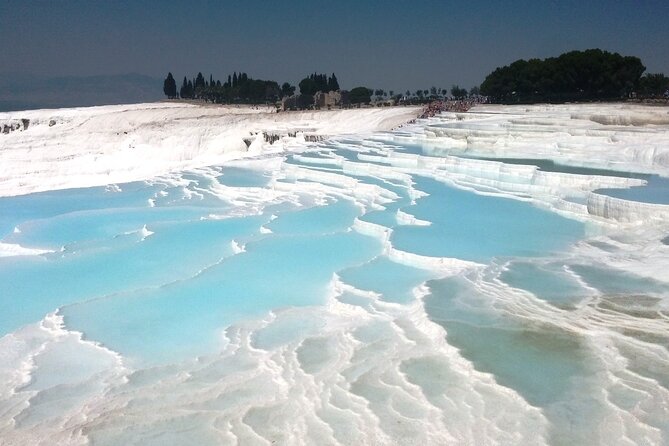
Sardis deserves time. It was the capital of ancient Lydia, and you can see the gymnasium, Jewish synagogue, Temple of Diana, and early Christian remains. Revelation 3:1 to 6 addresses the church at Sardis. The ruins make a strong pairing with the text because you can see both the city’s former scale and the surviving religious buildings.
Philadelphia, now Alaşehir, receives only about 30 minutes. The ancient city was founded after 189 BC and was associated with the church mentioned in Revelation 3:7 to 12. Much of the modern town surrounds the old site, so this is another stop where the historical connection carries more weight than a long list of visible monuments.
Pamukkale changes the tone completely. White travertine terraces formed by mineral-rich thermal water cover the hillside, while nearby Hierapolis preserves a Roman theater, a necropolis stretching for about two kilometers, and the Antique Pool with submerged Roman columns.
The route also includes the Gate of Domitian, Arcadian Way, the necropolis, and the tomb associated with the Apostle Philip. You have about two hours here, which is helpful, but the area can still feel rushed because Pamukkale combines a natural attraction with a large ancient city.
Day 7: Laodicea and the unexcavated Colossae
Laodicea is one of the strongest biblical stops because its identity is immediately tied to the final letter to the churches of ancient Asia Minor. The city is often called the Lukewarm Church, and you visit Christian ruins along with the statue of Emperor Augustus, an aqueduct, stadium, and Ephesian Gate.
The site is broad, so a guide helps you connect separate remains into a picture of urban life. The scheduled 90 minutes gives you a useful visit without pretending you can see every corner.
Colossae is a different experience. It remains largely unexcavated, and the stop lasts about 30 minutes. This is the city associated with Paul’s Letter to the Colossians and with Philemon. You will not find a polished archaeological park here. Instead, you are looking at a place whose biblical importance is clear even though the physical remains are limited.
The day ends with a three-hour drive to Kuşadası. That evening is best treated as a recovery period before Ephesus.
Day 8: Ephesus, Mary’s House, and St. John’s Basilica
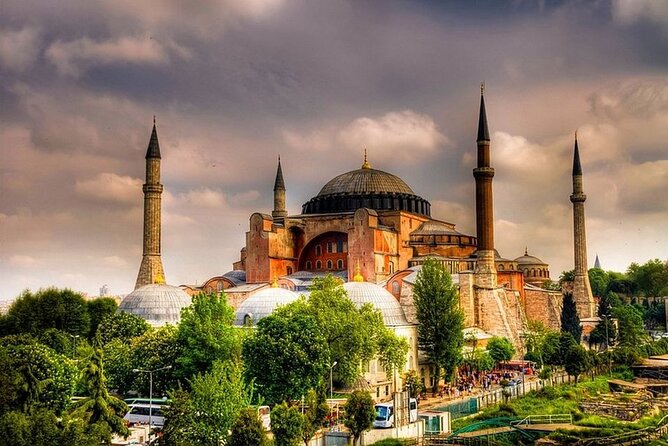
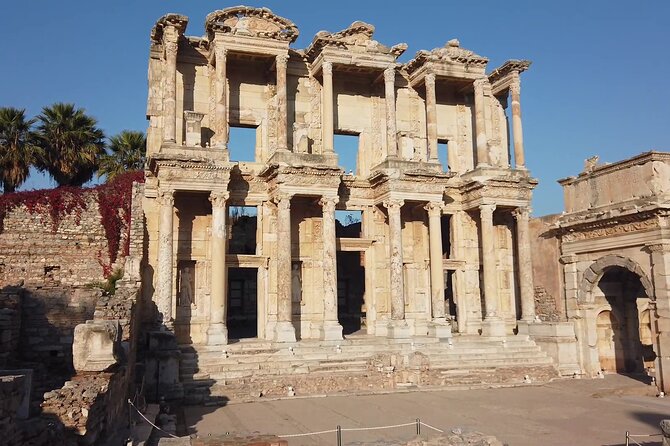
Ephesus is the tour’s major biblical and archaeological centerpiece. Paul visited during his second missionary journey and later stayed for more than three years. The city is also tied to letters from Paul and John.
The visit includes the Baths of Scholastica, Library of Celsus, Temple of Hadrian, theater, and the Temple of Artemis, once counted among the Seven Wonders of the ancient world. Two hours is enough for the principal route, but it is not enough for a slow, exhaustive study of every feature.
I like this stop because the biblical references and the physical scale reinforce one another. The theater, streets, public buildings, and commercial areas make it easier to picture Ephesus as a major center of worship, trade, argument, and public life.
You then visit Meryemana, the house believed to be Mary’s final home, for about 45 minutes. The wording matters: this is a place of belief, not a fact that can be proven from the information provided. The tour also visits the Basilica of St. John, built by Justinian I in the sixth century over the believed burial place of John the Apostle.
After Ephesus, you are taken to Izmir Airport for the flight to Cappadocia. It is another full day, but the flight saves you a long overland journey.
Day 9: Cappadocia’s cave churches and fairy chimneys
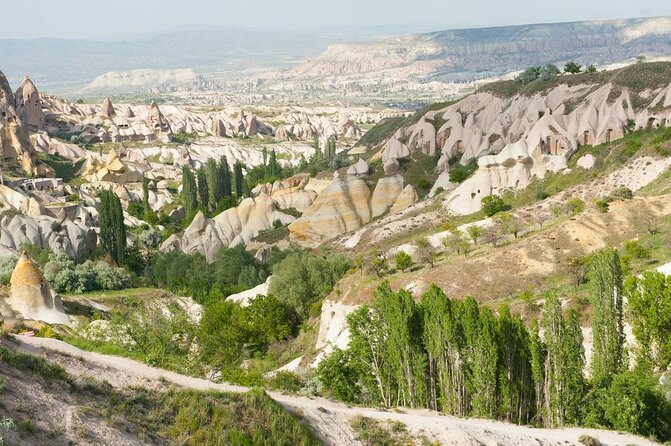
Cappadocia offers a welcome visual change after a week of Greco-Roman and biblical sites. At the Göreme Panorama, you get a quick view over the town and its unusual rock formations.
The Göreme Open-Air Museum is the main stop. This UNESCO World Heritage Site preserves a rocky monastic center used from the fourth through the 13th centuries. The cave churches and painted interiors are especially important for understanding early Christian life in Cappadocia.
Paşabağ, or Monks Valley, is known for its tall fairy chimneys shaped by volcanic lava, ash, and basalt. You have time to walk among the formations, though the visit is not an all-day hike.
Avanos brings you into a living craft tradition. The town sits along the Kızılırmak, Turkey’s longest river, and is known for earthenware pottery. A workshop visit is possible, but the details of any purchase or demonstration should be clarified with your guide.
Devrent Valley, also called Imaginary Valley, closes the day with rock formations that resemble animals. It is a short stop, but a fun one. Cappadocia is full of places where the pleasure comes from looking carefully and letting your imagination do some work.
Day 10: Underground Kaymaklı and Cappadocia’s valleys
Kaymaklı Underground City is the most confined stop of the entire trip. The complex once had eight underground levels, though four are open to the public. These subterranean spaces were built to protect local people from invading forces.
You should be comfortable with stairs, narrow passages, and enclosed spaces before booking. The visit lasts about an hour and gives you a memorable look at a very different form of settlement.
Red Valley offers a short walk among vineyards and gardens. Çavuşin, an old Greek village, has a fifth-century Church of Saint John and views toward the Rose and Red Valleys. Pigeon Valley gets its name from the many dovecotes carved into the soft volcanic rock.
Love Valley finishes the sightseeing, with tall tower-like rock formations and scenic sunset views. You are then transferred to Kayseri Airport for the flight back to Istanbul.
The itinerary calls this the final day, but check your flight timing and onward arrangements carefully. The supplied details do not specify the exact Istanbul arrival time or an airport hotel.
Guides, vehicles, and the human side of the trip
The guide can make or break a route like this. Ertunga is repeatedly singled out for patience, strong biblical knowledge, cultural explanation, and thoughtful care when someone became ill or needed medical help. Umut is praised for linking Ephesus with Acts 19 and Revelation 2 while answering questions about both ancient and modern Turkey.
Drivers are also important. This route includes mountain roads, long transfers, airport runs, and narrow roads near some sites. Ismail, Vecdi, and Vegi are described as careful and helpful, with comfortable Mercedes touring vans and Wi-Fi mentioned on one extended trip.
You can expect different guides in some parts of the journey, particularly Istanbul, Cappadocia, and the Seven Churches route. That can be a benefit because local specialists know their own regions, though you may prefer one guide for the whole trip. Ask who will accompany you before paying.
Who should book, and who should think twice?
Book this if you want biblical context tied to actual places, prefer private travel, and value having transport and hotels arranged. It is particularly suited to couples, families, church groups, and small private parties who want to ask questions without keeping pace with a large bus.
You should also enjoy archaeology and long sightseeing days. The route is not only about Scripture. It includes Ottoman palaces, Homeric Troy, Roman cities, Byzantine churches, Turkish markets, pottery, thermal terraces, and Cappadocian rock formations.
Think twice if you dislike frequent hotel changes, long drives, uneven ruins, or a tightly packed schedule. The tour also does not include dinners, tips, or the hot-air balloon ride, so budget beyond the headline price.
Free cancellation is available when you cancel at least 24 hours before the local start time. Children must travel with an adult, and a moderate level of physical fitness is recommended.
Should you book the Turkey Biblical Tour?
I would book this tour if your main goal is to connect the Bible with the places, roads, cities, and ruins of Turkey. Its biggest strength is not any single monument. It is the way the private format links difficult-to-reach sites while giving you a guide who can explain Acts, Revelation, Roman history, and Turkish life in the same conversation.
The price is substantial, but the package includes the pieces that are hardest to arrange yourself. Just go in with realistic expectations: ten days is fast, some stops are brief, and the route includes serious driving. If that sounds like the right kind of busy, this is a strong choice, with a recorded rating of 5 out of 5 from 16 reviews and recommendation from 100 percent of those who submitted feedback.
FAQ
How long is the Turkey Biblical Tour?
The tour lasts approximately 10 days, beginning with an airport transfer in Istanbul and ending with a flight from Kayseri back to Istanbul.
Is this a private tour?
Yes. Only your party and the guide and driver participate in the tour.
What is included in the price?
The package includes private transport, guiding, entrance fees, parking fees, eight lunches, hotel options, and the Cappadocia to Istanbul flight. The itinerary also includes a flight from Izmir to Cappadocia.
Are dinners included?
No. Dinners are not included.
Is a Cappadocia hot-air balloon ride included?
No. The hot-air balloon experience is an optional extra and is not included in the tour price.
Where does pickup take place?
You can meet the tour team in your hotel lobby or at the airport.
Can I cancel for a full refund?
Yes, if you cancel at least 24 hours before the experience start time. Cancellations made less than 24 hours before the start time are not refunded, and changes made within that period are not accepted.
Latest additions around Istanbul
- Istanbul: Hagia Sophia Skip-the-Line Ticket with Live Guide★ 3.7 · 3 reviews
- Ephesus Private Tour From Istanbul including transfers & domestic fights★ 5.0 · 3 reviews
- 6 Days Multi City Turkey Tour★ 5.0 · 3 reviews
- Princess Islands Daily Tour from Istanbul★ 5.0 · 3 reviews
- Premium Line : Private Istanbul Tour : All Inclusive Package★ 4.3 · 3 reviews
- Private Istanbul Combo Tour – Classic Old City and Bosphorus Cruise★ 5.0 · 3 reviews
- Private tour: 12-Day Turkish Adventure Package Tour From Istanbul★ 4.5 · 3 reviews
- Istanbul: Hagia Sophia Guided Tour with Optional Ticket★ 3.3 · 3 reviews
Private, compared.
Bosphorus Dinner Cruise & Show with Private Table
Read our review →
Best of Istanbul 1, 2 or 3-Day Private Guided Istanbul Tour
Read our review →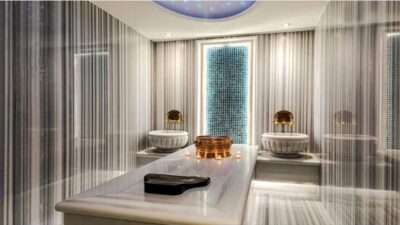
Private Turkish Bath, Massage, and Spa in Old City
Read our review →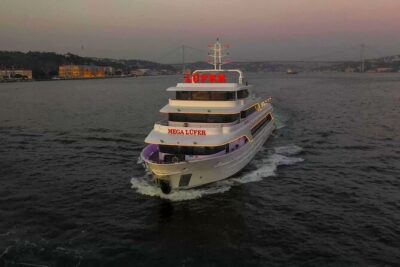
Bosphorus Dinner Cruise with Show and Private Table
Read our review →
Acemoglu Historical Turkish Bath w/Private Options
Read our review →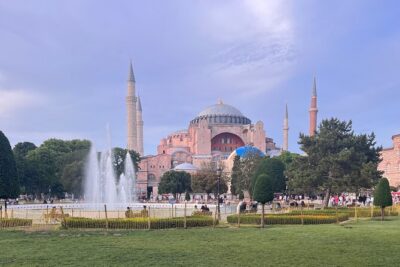
ISTANBUL BEST: Iconic Landmarks Full Day PRIVATE Guided City Tour
Read our review →