
Reviewed · CITY TOURS
WONDERS of ISTANBUL: PRIVATE Full-Day Guided City Tour
Istanbul’s greatest historic sights sit close together, and this private tour makes a strong first-day plan. In five to seven hours, you move from Byzantine churches and underground cisterns to Ottoman palaces and the maze of the Grand Bazaar, with a guide shaping the day around your interests.
I like the private format, which lets you linger at Topkapi Palace, slow down for photos, or skip a shopping stop if you prefer more history. I also like the central walking route. Several key sights are clustered around Sultanahmet, so you spend less time in traffic and more time looking at Istanbul.
The main caution is cost and pace. The $78 price covers the guide and tour service, but the three biggest paid attractions cost extra. You will also walk a lot, and one past complaint raises a serious concern about unwanted shopping stops, so make your preferences clear at the start.
In This Review
- Key points at a glance
- Why this private Istanbul route works so well
- Hagia Sophia, a building with several lives
- The Blue Mosque and the working rhythm of worship
- The Hippodrome and the monuments left in the square
- Basilica Cistern, Istanbul’s atmospheric underground stop
- Topkapi Palace, the longest and most demanding stop
- Grand Bazaar, culture and shopping in equal measure
- Guides, flexibility, and the human side of the tour
- Walking, transport, and the real length of the day
- What the $78 price really covers
- Should you book the Wonders of Istanbul tour?
- FAQ
- How long does the Istanbul private tour last?
- Are entrance fees included?
- Where can the guide meet me?
- Is the tour private?
- Can I take the tour on Tuesday or Sunday?
- Is lunch included?
Key points at a glance
- Six major sights in one private day: See Hagia Sophia, the Blue Mosque, Hippodrome, Basilica Cistern, Topkapi Palace, and Grand Bazaar.
- Flexible pacing: Guides including Volkan, Aytaç, Sam, Kazim, Sema, and Anil have adjusted routes, breaks, photo stops, and time at individual monuments.
- Fast-track ticket help: This can save valuable time when lines are long, but entrance fees are not included for three attractions.
- Pickup from central locations: Meet your guide at a central Istanbul hotel, Airbnb location, or Galataport cruise port.
- A walking-heavy experience: One detailed account estimated about six miles of walking, with some public transportation used during the day.
- Shopping is part of the design: A Turkish handicrafts and traditional arts gallery is included, so state clearly if you want history rather than retail stops.
Why this private Istanbul route works so well
Istanbul can be confusing on a first visit. The old city has layers of Roman, Byzantine, and Ottoman history packed into a fairly compact area, yet each monument tells a different story. A private guide gives you a human map, not just a route on your phone.
The day begins with the most famous sights in the Sultanahmet district. Hagia Sophia, the Blue Mosque, the Hippodrome, Basilica Cistern, and Topkapi Palace all fit naturally into one historic circuit. The Grand Bazaar adds a very different finish, with shopping, bargaining, and the daily commercial life of the city.
This arrangement is especially useful if you have only one full day in Istanbul, are visiting from a cruise ship, or want help deciding what deserves your limited time. Guides have met people at Galataport on schedule and helped them return to the port on time.
The private setup also matters for families and mixed-age groups. A guide named Sabit was praised for slowing down for older family members, while other guides have built in Turkish tea or coffee breaks. You are not locked into the pace of a large group.
A few more Istanbul experiences to weigh up
- Istanbul: Full-Day Highlights Tour with Guide and Lunch
★ 4.6 · 1,662 reviews - From Istanbul: Full-Day Princes Island Tour with Lunch
★ 4.0 · 1,550 reviews - ISTANBUL BEST: Iconic Landmarks Full Day PRIVATE Guided City Tour
★ 5.0 · 1,032 reviews
Hagia Sophia, a building with several lives
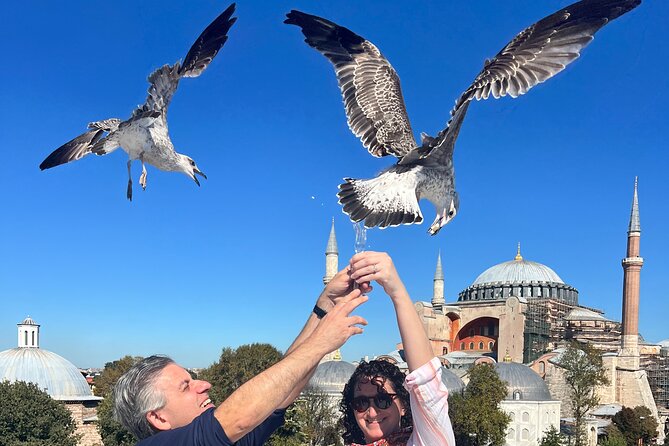
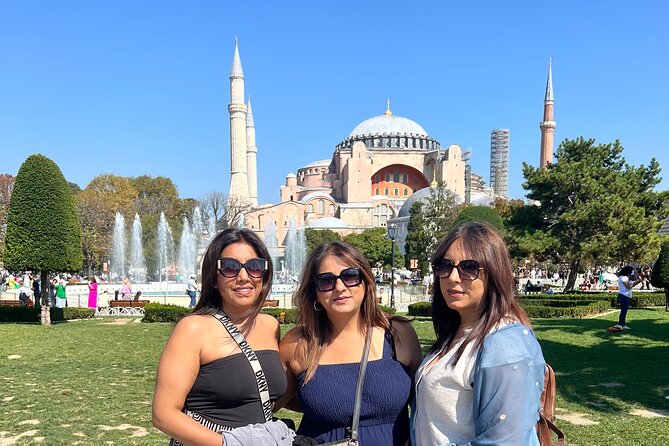
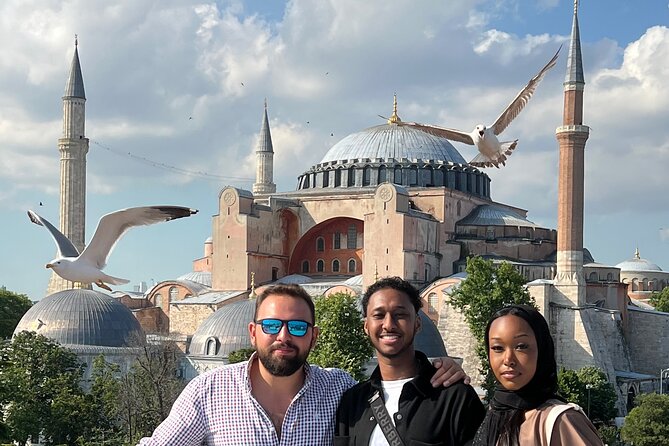
Hagia Sophia receives about 45 minutes on the planned route. That is enough for an introduction and a good look at the main interior, but not enough for every detail. The building began as a cathedral under Byzantine Emperor Justinian I between 532 and 537 AD. For almost a thousand years, its dome was the largest cathedral dome in the world.
In 1453, Sultan Mehmed II converted the cathedral into a mosque after the Ottoman conquest of Constantinople. The building’s changing religious role is central to understanding Istanbul. You will see Byzantine design alongside later Ottoman additions, including mosaics, calligraphy, and the marks of centuries of use.
Admission is not included. The listed cost is €25 per person, and current access rules can affect how much of the building you see. Your guide can explain the structure and help you understand what you are looking at, but expect this stop to be busy and highly sought after.
I would ask your guide at the beginning how much time is realistic inside Hagia Sophia. If this building matters most to you, say so. The private format gives you a better chance of adjusting the day instead of simply following a fixed script.
The Blue Mosque and the working rhythm of worship
The Blue Mosque, officially the Sultan Ahmed Mosque, was built between 1609 and 1616. Its six minarets were unusual when it was completed, and its interior is known for the blue İznik tiles that gave it its familiar nickname.
You get about 30 minutes here, with no admission charge. It is an active mosque, not just a monument, so access can be shaped by prayer times and religious observance. Modest clothing is needed, and women may need to cover their heads. The supplied information does not specify clothing rental arrangements, so come prepared.
This stop pairs well with Hagia Sophia. One building began as a Byzantine cathedral and later became a mosque. The other is a grand Ottoman mosque built in the same imperial district. Seeing both helps you compare the two architectural traditions without crossing much of the city.
One account described a Blue Mosque visit in the evening as especially peaceful. That suggests the exact timing can make a difference, but your guide controls the schedule around opening and prayer arrangements. Ask directly if the mosque is a priority for you.
The Hippodrome and the monuments left in the square
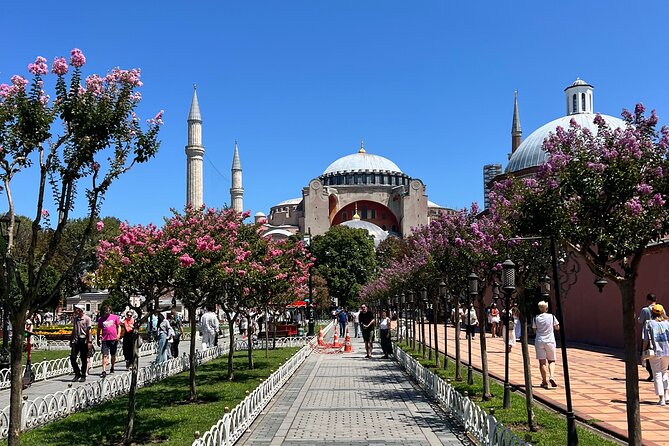
The Hippodrome takes around 30 minutes and is included in the tour price. This was once the center of public life in Byzantine Constantinople, built for chariot races, ceremonies, and large gatherings. It could hold tens of thousands of people.
Today, the original arena is mostly gone, but the open square still holds important remnants. Look for the Obelisk of Theodosius, the Serpent Column, and the Walled Obelisk. The Serpent Column once formed part of a monument commemorating a Greek victory over the Persians. The Obelisk of Theodosius came from Egypt and was brought to Constantinople under the Roman Empire.
The Hippodrome is easy to underestimate because it looks like a city square rather than a preserved arena. A good guide makes the missing structure visible by explaining where the track, seating, and crowds once were. This is also one of the easier stops physically, since you are not spending the whole time inside a museum.
Two continents, plenty of other ways to spend a day:
- Istanbul: Bosphorus Dinner Cruise & Show with Private Table
★ 4.8 · 44,561 reviews - Istanbul: Daytime or Sunset Sightseeing Cruise & Audio Guide
★ 4.8 · 14,430 reviews - Istanbul: Bosphorus Dinner Cruise with Turkish Night Show
★ 4.8 · 10,127 reviews - Best of Istanbul 1, 2 or 3-Day Private Guided Istanbul Tour
★ 5.0 · 8,922 reviews
Basilica Cistern, Istanbul’s atmospheric underground stop
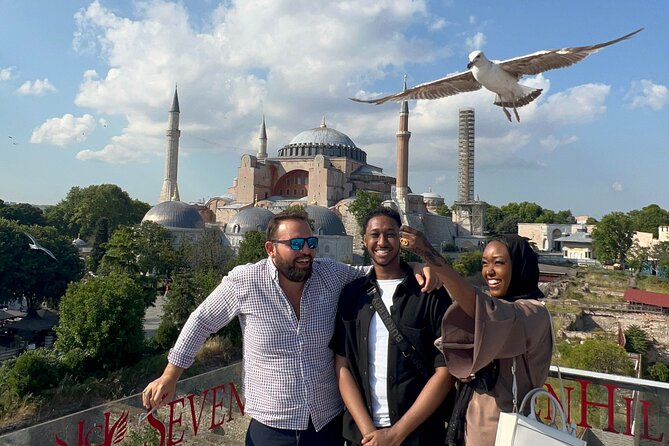
The Basilica Cistern is a highlight for many people, and the planned visit lasts about 30 minutes. Built in the sixth century under Justinian I, this huge underground reservoir supplied water to the Great Palace and nearby buildings.
The cistern measures roughly 140 meters by 70 meters and contains 336 marble columns arranged in 12 rows. Some columns were reused from older Roman buildings. The best-known details are the two Medusa head bases, one turned sideways and one upside down.
Dim lighting, dripping water, and the forest of columns give this stop a completely different mood from the mosques and palace above. I would not treat it as a quick filler. One detailed itinerary account called the cistern magical, and it is easy to see why: you are standing inside practical Byzantine infrastructure that feels almost theatrical.
Admission is extra, listed at TRY1,950 per person. That is a significant addition to the $78 tour price, especially for a family. Ask about the current fee when booking, since local prices can change. Fast-track assistance may be available, but it does not mean the entrance is free.
Topkapi Palace, the longest and most demanding stop
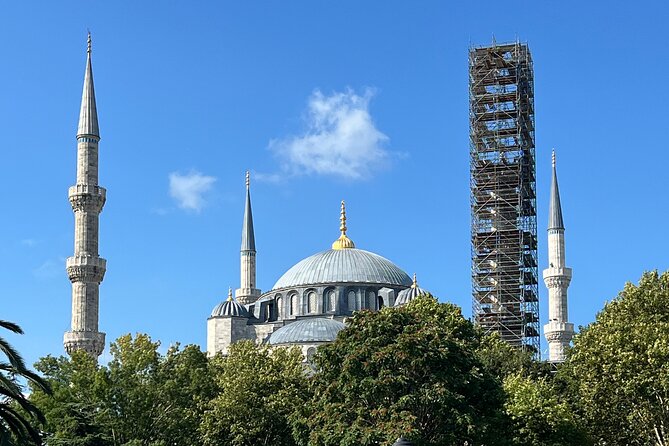
Topkapi Palace receives about two hours, making it the longest scheduled visit. This was the main home and administrative center of Ottoman sultans for nearly four centuries. Its courtyards, gardens, Treasury, and palace buildings provide the clearest look at how Ottoman rulers lived and governed.
The Treasury includes famous objects such as the Spoonmaker’s Diamond and Topkapi Dagger. The Imperial Harem, where the sultan’s family lived, is another major area, though access and ticket arrangements can vary. Since the palace is a large complex, two hours gives you a useful overview but not necessarily every room.
The entrance fee is not included and is listed as TRY2,750 per person. That makes Topkapi the biggest single cost beyond the tour fee. If you are trying to control spending, ask your guide which sections are included in the available ticket and which are optional.
Topkapi is closed on Tuesdays. This is the most important scheduling warning in the entire experience. The tour information does mention the closure, but one booking still arrived on a Tuesday and felt disappointed. If you book for Tuesday, confirm the replacement plan before the day begins. Guides have substituted other stops, gardens, or outside views, but that is not the same as touring the palace.
Grand Bazaar, culture and shopping in equal measure
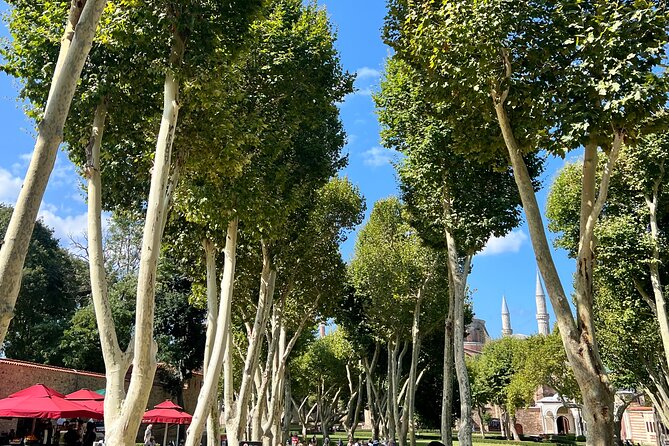
The Grand Bazaar is planned for about 45 minutes and has no separate admission fee. Founded in the fifteenth century after the Ottoman conquest, it now covers about 30,700 square meters, with more than 4,000 shops along 61 streets.
It is easy to get lost here. The market sells jewelry, spices, carpets, textiles, ceramics, antiques, and sweets, with sections traditionally organized by trade. The domed passages and narrow lanes are part of the experience, but the size can also make a short visit feel rushed.
The tour includes time at a Turkish handicrafts and traditional arts gallery. This can be worthwhile if you want to learn about workmanship and buy a genuine piece rather than a mass-produced souvenir. Guides have also taken people to shops for Turkish delight, tea, ceramics, carpets, leather, and artisan goods.
Here is the practical warning: shopping must be discussed openly. Most of the feedback describes helpful, low-pressure introductions, and several guides allowed people to skip ceramics, carpets, or factory stops. But one serious complaint describes extended sales presentations and pressure to buy leather goods, ceramics, and sweets. That is not a minor difference in style.
Tell your guide plainly: I want the monuments, and I do not want shopping unless I ask. If you do want crafts, set a time limit. The private format should give you control over this part of the day.
The Grand Bazaar is closed on Sundays. Plan another day if it is a priority.
Guides, flexibility, and the human side of the tour
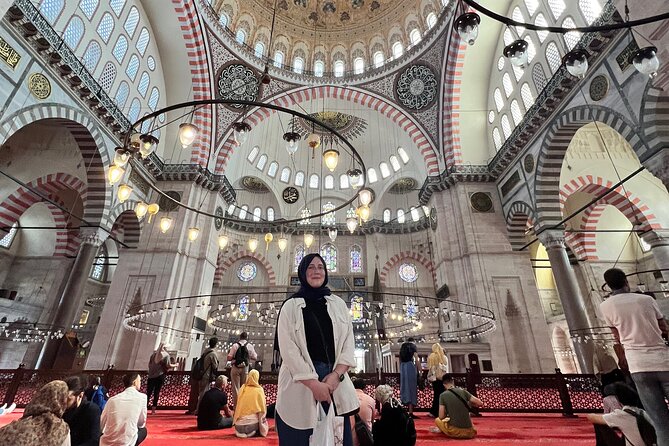
The company uses several English-speaking guides. Names praised in the supplied feedback include Volkan, Aytaç, Fattah, Peta, Mustafa, Musa, Kazim, Sam, Sema, Anil, Ushton, Sabit, Ismail, Kadir, Zel, John, Pasha, Ali, and Batu.
Their strongest shared qualities are warmth, clear explanations, patience, and flexibility. Guides have adjusted the route for personal interests, slowed the pace for older relatives, helped with photos, recommended restaurants, and used public transportation when useful. WhatsApp messages before pickup have also made the start of the day feel more organized.
You should not assume every guide will have the same personality or approach. The private format is a major advantage only when you speak up. Tell the company your interests at booking, then repeat them to the guide: history, food, religion, architecture, shopping, photography, or a slower pace.
Lunch is not included, but guides can recommend or arrange a local restaurant. Specific feedback praises generous portions, good value, Mediterranean food, street food, and Turkish specialties. Treat lunch as part of the flexible planning rather than a promised inclusion.
Walking, transport, and the real length of the day
The advertised duration is five to seven hours, but the experience can feel like a full day because of walking, queues, explanations, photos, and lunch. One detailed account estimated around six miles on foot. Historic sites are clustered together, but the route still includes standing, stairs, uneven surfaces, and long periods on your feet.
If you book a vehicle option, pickup is by vehicle. That does not mean you will ride between every monument. The main old-city circuit is generally walked, and one person specifically felt the vehicle was useful only for the short hotel transfer. If you do not need a car for pickup, the walking version may be better value.
Build in comfortable shoes, water, and a little patience. The private guide can pause for tea or coffee, but you need to request breaks before fatigue takes over. If you have mobility concerns, mention them when booking so the route can be discussed.
What the $78 price really covers
At $78 per person, this is priced as a private guide service rather than an all-inclusive sightseeing pass. The fee includes the private tour, professional English-speaking guide, pickup from listed central locations, and help with fast-track tickets. Group discounts may also be available.
The major extra costs are substantial:
- Hagia Sophia: €25 per person
- Basilica Cistern: TRY1,950 per person
- Topkapi Palace: TRY2,750 per person
- Lunch: not included
- Gratuities: recommended
For a solo visitor, the price may feel high once tickets are added. For a couple, family, or small group, private guiding becomes easier to justify because you are sharing the guide cost and gaining control over the schedule.
The value is strongest when you have limited time, are arriving by cruise ship, or want context rather than simply checking off buildings. It is weaker if you prefer to explore alone, dislike shopping stops, or already know the old city well.
Free cancellation is available up to 24 hours before the start time for a full refund. Changes made within 24 hours are not accepted, and poor weather may lead to a new date or a full refund.
Should you book the Wonders of Istanbul tour?
Book it if you want a well-planned first day, need pickup from a hotel or Galataport, and value a private guide who can explain the city while adjusting the pace. The route covers the essential old-city sights, and the strongest guide experiences combine history, food advice, photos, and practical help.
Before paying, confirm three things: the guide’s name if possible, the exact entrance fees, and the shopping policy. Avoid Tuesday for Topkapi Palace and Sunday for the Grand Bazaar. If you make those checks and clearly state what you want, this can be an efficient and rewarding introduction to Istanbul.
FAQ
How long does the Istanbul private tour last?
The tour lasts approximately five to seven hours. The planned visits include 45 minutes at Hagia Sophia, 30 minutes at the Blue Mosque, 30 minutes at the Hippodrome, 30 minutes at Basilica Cistern, two hours at Topkapi Palace, and 45 minutes at the Grand Bazaar.
Are entrance fees included?
No. Hagia Sophia, Basilica Cistern, and Topkapi Palace require separate payment. The listed prices are €25 for Hagia Sophia, TRY1,950 for Basilica Cistern, and TRY2,750 for Topkapi Palace. The Hippodrome, Blue Mosque, and Grand Bazaar are listed as free.
Where can the guide meet me?
Pickup is offered at central Istanbul hotels, Airbnb locations, and Istanbul Cruise Port at Galataport, also called Salı Pazarı. If you select the vehicle option, pickup is by vehicle.
Is the tour private?
Yes. Only your group participates in the private activity. The guide can adjust the pace and schedule around your interests.
Can I take the tour on Tuesday or Sunday?
Topkapi Palace is closed on Tuesdays, and the Grand Bazaar is closed on Sundays. If either sight matters to you, choose another day or confirm the alternative plan with the company before booking.
Is lunch included?
No. Lunch is not included in the tour price. The guide may recommend a restaurant, and the daily schedule can allow time for a meal.
Latest additions around Istanbul
- Istanbul: Hagia Sophia Skip-the-Line Ticket with Live Guide★ 3.7 · 3 reviews
- Ephesus Private Tour From Istanbul including transfers & domestic fights★ 5.0 · 3 reviews
- 6 Days Multi City Turkey Tour★ 5.0 · 3 reviews
- Princess Islands Daily Tour from Istanbul★ 5.0 · 3 reviews
- Premium Line : Private Istanbul Tour : All Inclusive Package★ 4.3 · 3 reviews
- Private Istanbul Combo Tour – Classic Old City and Bosphorus Cruise★ 5.0 · 3 reviews
- Private tour: 12-Day Turkish Adventure Package Tour From Istanbul★ 4.5 · 3 reviews
- Istanbul: Hagia Sophia Guided Tour with Optional Ticket★ 3.3 · 3 reviews
City Tours, compared.
Private Turkish Bath, Massage, and Spa in Old City
Read our review →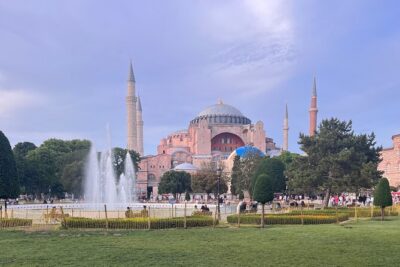
ISTANBUL BEST: Iconic Landmarks Full Day PRIVATE Guided City Tour
Read our review →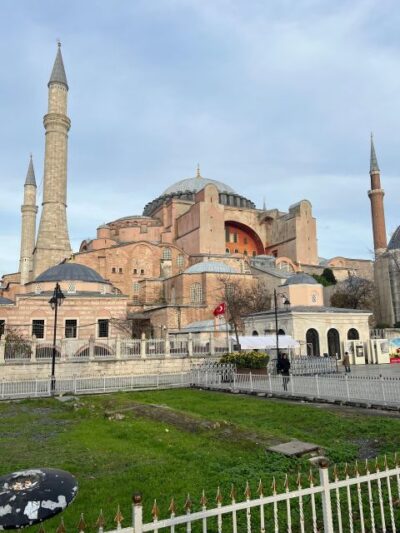
Full Day Istanbul 1, 2 or 3-Day Private City Guided Tour
Read our review →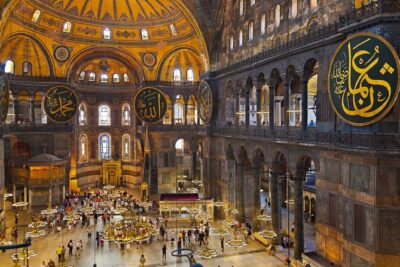
City Highlights Tour w/Hagia Sophia & Blue Mosque
Read our review →
Public, Private or VIP Hammam & Spa in Old City
Read our review →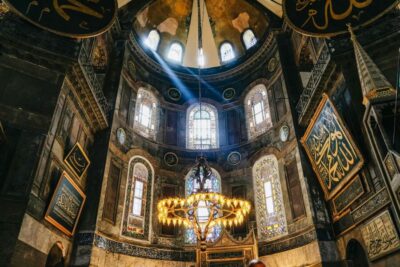
Best of the City 1, 2 or 3-Day Private Guided Tour
Read our review →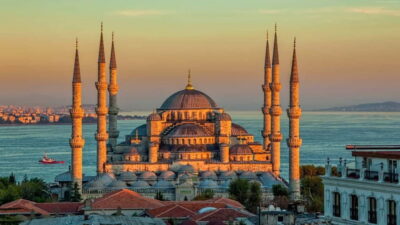
Browse the lists this tour appears in