
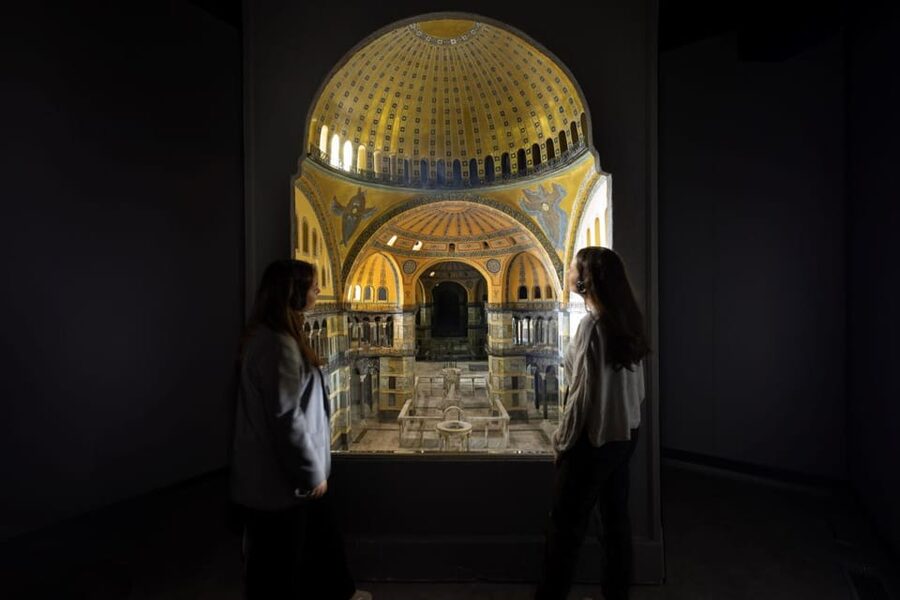
Reviewed · HAGIA SOPHIA TOURS
Hagia Sophia History & Experience Museum Entry Tickets
Hagia Sophia’s long story is told here through film, sound, and interactive displays, rather than a standard room-by-room museum visit. You’ll follow its change from Byzantine cathedral to Ottoman mosque and its later museum role while technology explains the building’s art, faith, and architecture.
I like the clear focus on Hagia Sophia itself, and the audio guide lets you move at your own speed instead of following a group leader. I also like the one-day validity, since you can choose a suitable opening time between 9 a.m. and 7 p.m.
The main caution is that this is heavily screen-based. One visitor felt that almost all of it was video and audio, and another found the visit rushed, with nowhere to sit. The ticket also does not guarantee a fast passage through security.
In This Review
- Key points to know before you go
- What this Hagia Sophia experience actually offers
- Following the story from Byzantine cathedral to Ottoman mosque
- The multi-sensory format: helpful context or too much screen time?
- What the audio guide adds to an independent visit
- Entry, security, and the skip-the-line wording
- Mobility, steps, and the lack of seating
- Is $34 a fair price?
- Who will enjoy this more than a standard museum?
- A practical way to plan your visit
- Should you book the Hagia Sophia History and Experience Museum?
- FAQ
- How long is the Hagia Sophia History and Experience Museum ticket valid?
- What are the opening hours?
- Is this a guided tour?
- When will I receive my tickets and audio guide?
- Does skip-the-ticket-line entry mean I can skip security?
- Is the museum wheelchair accessible?
- Can children visit the museum?
- What should I bring and what is prohibited?
Key points to know before you go
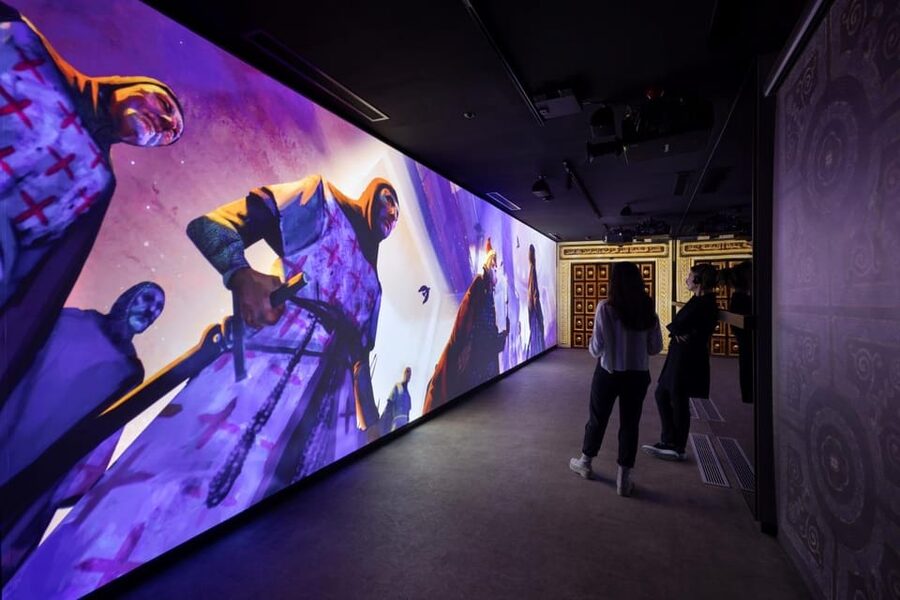
- A technology-led story: Expect an audio and video presentation rather than a traditional guided tour through the monument.
- Byzantine and Ottoman chapters: The displays trace Hagia Sophia across its major religious and cultural periods.
- A digital audio guide is included: You receive the guide link separately, usually one day before your visit.
- Security lines still apply: Skip-the-ticket-line entry does not mean priority access at security checkpoints.
- Plan for original steps: Non-slip shoes are advised, and visitors with mobility concerns may find the lack of seating difficult.
- Adults and children aged 8 or older: Children under 8 cannot enter, and older children must be supervised.
What this Hagia Sophia experience actually offers
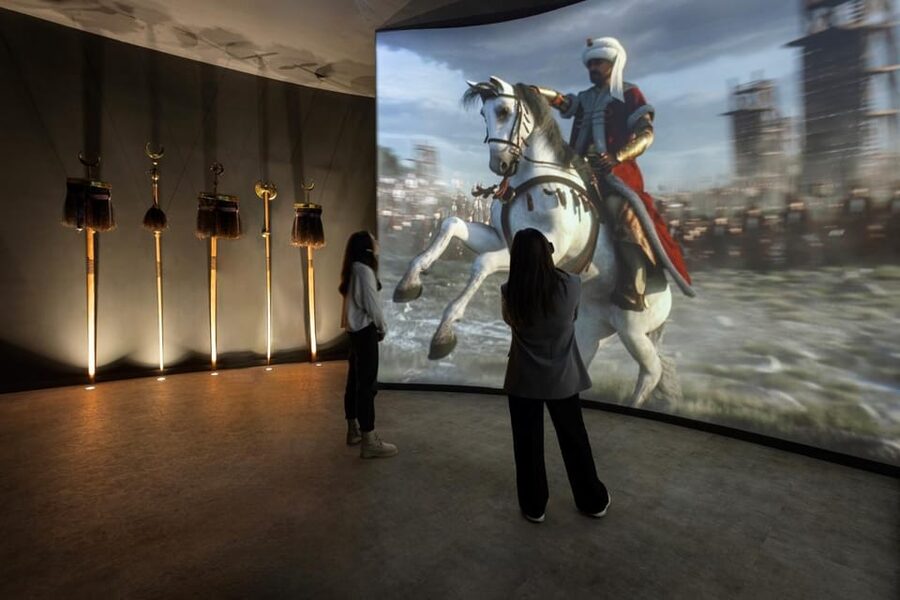
I would think of this as an interpretation center devoted to Hagia Sophia, not as a conventional museum packed with loose artifacts. Its purpose is to explain why the building matters and to make its long past easier to follow.
The presentation uses several senses at once. Audio narration, moving images, and interactive material create a guided story without a live guide. That can work well if you want historical context before or after seeing the famous building itself.
The experience covers the Byzantine period, when Hagia Sophia served as a cathedral, and the Ottoman period, when it served as a mosque. It also presents the building as a meeting point for religious traditions, artistic work, and architectural achievement.
That broad approach is useful because Hagia Sophia can be hard to understand from a quick look at its dome and mosaics alone. The displays give you a framework for thinking about the structure as a place that changed with Istanbul itself.
Still, keep your expectations in check. This is not a substitute for every possible way of seeing Hagia Sophia, and the strongest part is the audiovisual storytelling. If you prefer original objects, long written labels, or a live historian answering questions, this may feel thin.
More Hagia Sophia visits:
- Istanbul: Hagia Sophia Skip-the-Line Ticket & Museum Option
★ 3.7 · 4,958 reviews - Istanbul: Blue Mosque & Hagia Sophia Guided Tour w/ Tickets
★ 4.8 · 3,600 reviews - Istanbul: Hagia Sophia Skip-the-Line Ticket and Audio Guide
★ 4.3 · 2,246 reviews
Following the story from Byzantine cathedral to Ottoman mosque
The first major strength is the historical sweep. Rather than treating Hagia Sophia as a single frozen monument, the presentation follows its changing purpose over time.
The Byzantine chapter explains the building as a cathedral and places its architecture within the Christian history of Constantinople. The focus is not only on religious use, but also on the design that made Hagia Sophia an architectural landmark.
The Ottoman chapter shows how the building entered a new religious and political setting as a mosque. This is important context for understanding why Hagia Sophia contains layers of meaning instead of belonging neatly to one period.
The displays also point toward the building’s wider cultural importance. You are asked to consider how architecture, worship, art, and power overlap in one place. That makes the presentation more useful than a simple list of dates.
I especially like this kind of timeline for a first visit to Istanbul. It helps you notice that Hagia Sophia is not just a photogenic interior. Its importance comes from the way different communities shaped, used, and remembered it.
The drawback is pace. The experience may feel rushed if you try to absorb every image and spoken explanation in one pass. Give yourself enough time to listen rather than treating it as a quick stop between major sights.
The multi-sensory format: helpful context or too much screen time?
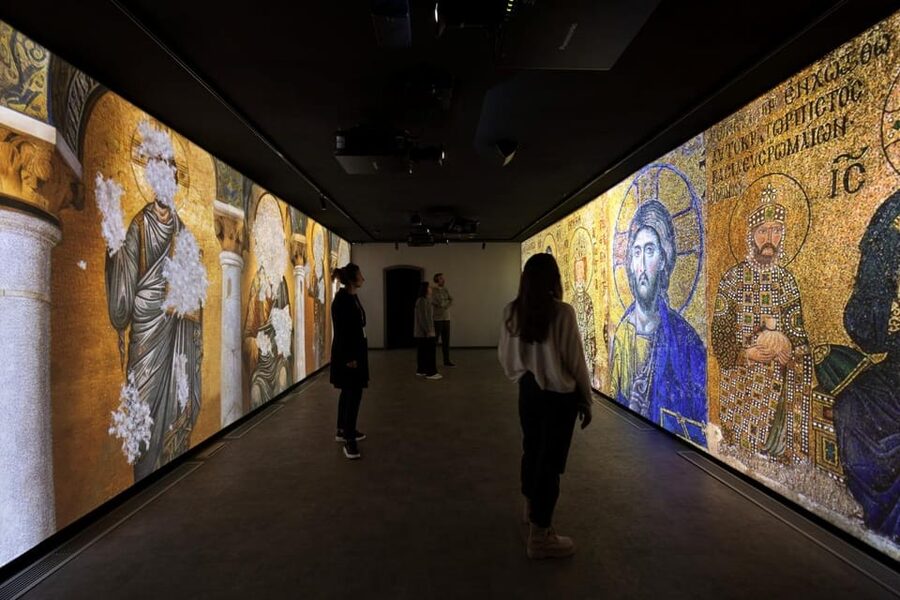
The museum’s unusual feature is its format. You are not simply reading panels beneath old objects. You are given a technology-based account designed to make the building’s past feel immediate.
This is particularly helpful when a display explains a feature that is difficult to see in person. A large dome, a vanished setting, or a change in architectural use can be easier to understand through moving images and sound than through a small caption.
The format may also suit you if you enjoy museums that tell one clear story. There is less need to piece together scattered information on your own, and the digital audio guide gives you spoken context without requiring a private guide.
But I would not call it ideal for everyone. One strongly negative assessment described the visit as almost entirely video and audio, with the implication that similar material could be found online. That is a fair warning for people who want physical collections or a more hands-on museum.
The best way to judge the value is to ask what you want from your Istanbul sightseeing. If you want a focused explanation of Hagia Sophia’s past, the format can be worthwhile. If you already know the history and mainly want to see original architecture, the ticket may feel expensive for a screen-led presentation.
What the audio guide adds to an independent visit
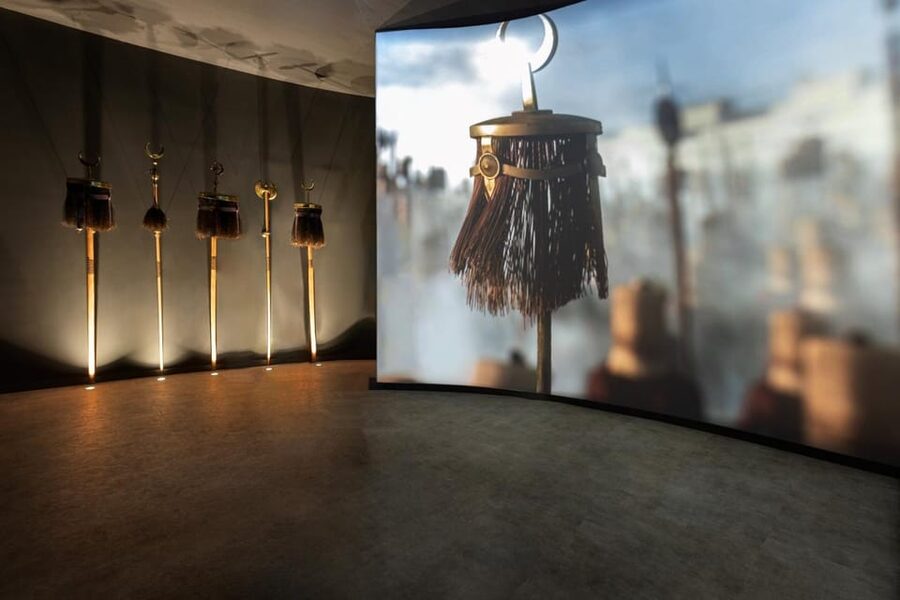
Your ticket includes a digital audio guide, but not a live guide. You enter independently and use the supplied link and separate app to hear the material.
I like this setup for travelers who dislike being tied to a group. You can pause, listen carefully, and move through the material at your own rhythm. There is also no need to coordinate with a guide’s meeting point once you have reached the attraction.
The audio guide link is sent by email, and through WhatsApp if that service is used, one day before the visit. It is also visible in your voucher. The provider is listed as Herms, and the tickets include a QR code for entry.
Download or open the required app before you arrive if possible. You want your phone ready, your ticket easy to find, and your audio link available. A little preparation matters because this is not a walk-up guided tour where someone can solve every small problem at the door.
The guide does not change the basic character of the visit. You are still responsible for entering on your own, following the museum rules, and keeping your phone quiet inside. You also should not expect a guide to answer personal questions or adjust the story to your interests.
More museums and sites in Istanbul:
- Istanbul: Hodjapasha Whirling Dervishes Show & Exhibition
★ 4.4 · 4,790 reviews - Istanbul: Topkapi Palace & Harem Museum Ticket & Audio Guide
★ 4.1 · 3,977 reviews - Istanbul Hodjapasha Whirling Dervishes Show & Exhibition
★ 4.0 · 503 reviews - Istanbul: Topkapi Palace and Harem Museum Tour with Ticket
★ 4.7 · 247 reviews
Entry, security, and the skip-the-line wording
The ticket is advertised as skip-the-ticket-line entry. In practice, that means you can use your QR code rather than buying an admission ticket at the attraction. It does not provide priority access through security.
During busy periods, you may still wait at security checkpoints. One visitor specifically bought a skip-the-line timed ticket but could not skip the line, so I would not book this expecting a fast-track airport-style entrance.
This distinction matters most during peak season and at popular times of day. The museum is open from 9 a.m. to 7 p.m., so you have a useful daily window, but the busiest periods can still slow the start of your visit.
Keep your passport or ID card with you. You may be asked to show identification, and the ticket is issued with a QR code. Large bags, luggage, sharp objects, weapons, food, and drinks are not allowed.
Selfie sticks, flash photography, video recording, smoking, alcohol, drugs, and flashlights are also prohibited. The rules are strict enough that you should pack lightly and avoid bringing items you do not need.
Mobility, steps, and the lack of seating
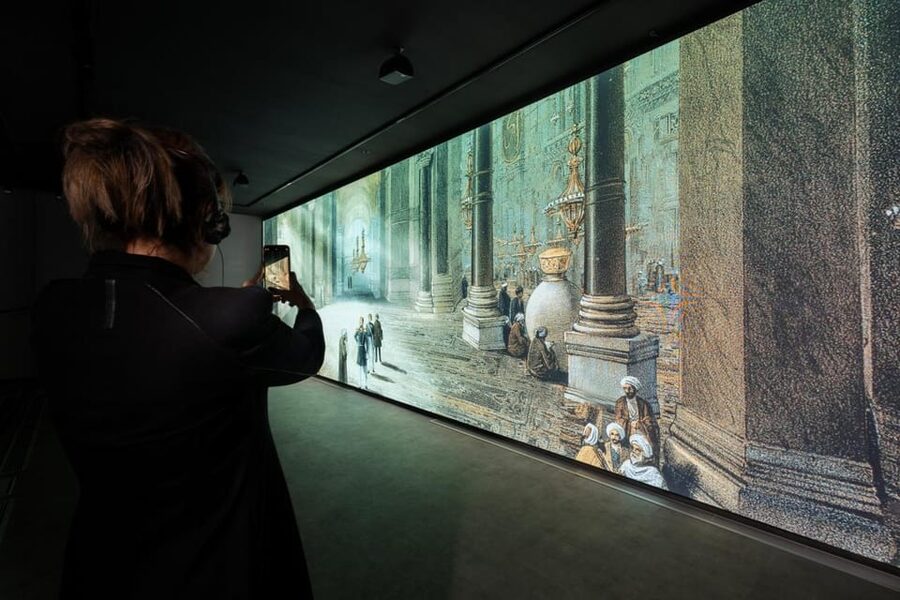
The museum is listed as wheelchair accessible, but the experience includes original steps and historic parts of the structure. Non-slip shoes are recommended because some surfaces and steps may be difficult to navigate.
A wheelchair user is advised to bring a companion for a more comfortable visit. That is practical advice, especially since historic interiors can require careful movement even when an attraction is formally accessible.
I would also take the seating issue seriously. One visitor with an arthritic knee found the lack of places to sit uncomfortable and felt the experience moved too quickly. Even a minor mobility problem can matter when you are standing through a sound and video presentation.
Wear stable, comfortable shoes, and do not assume you can rest whenever you want. If you need regular breaks, ask staff about the best way to move through the space before beginning.
The age limit is 8 years and older. Children over 8 should be supervised and reminded to keep quiet, avoid touching displays, and follow the museum rules. Young children who need frequent movement are not a good match for this visit.
Is $34 a fair price?
At $34 per person, this is not a bargain admission ticket. The price pays for the museum presentation, the QR entry, and the digital audio guide, but not food, drinks, gratuities, temporary exhibitions, or special events.
The value depends on how much help you need making sense of Hagia Sophia. If you are new to the subject and want a structured introduction without hiring a private guide, the cost can be reasonable. The audio format also gives you some independence.
The price is harder to justify if you mainly want a quick look or already know the building’s story. One critical assessment felt the audiovisual material could be replaced by online video, and that concern is worth considering before booking.
I would compare it with the cost of a live guided visit and with your own interest in technology-based museums. You are paying for a focused presentation, not a full day of sightseeing or a private expert.
The ticket is valid for one day, and you can reserve now and pay later. Cancellation is free up to 24 hours before the visit, which helps if your Istanbul schedule is still changing. Those flexible terms add some practical value, but they do not alter the basic question: do you want an interpretive show or a traditional monument visit?
Who will enjoy this more than a standard museum?
I would recommend this experience to first-time Istanbul visitors who want a clear introduction to Hagia Sophia before taking in the building’s wider setting. It should also suit people who learn best through film, spoken explanation, and visual reconstruction.
It can work well for independent sightseers who do not want a live guide. You receive the audio material and enter on your own, with no group transport or shared schedule.
Families with children aged 8 and older can consider it if the children can stay quiet and follow instructions. The audiovisual format may hold attention better than long text panels, but the no-noise and no-touch rules still apply.
I would be cautious if you have knee, balance, or stamina problems. The attraction is wheelchair accessible, but the original steps, standing time, and limited seating can make the visit less comfortable than expected.
I would also think twice if your ideal museum visit means handling the pace yourself among objects and labels. Here, the story is delivered through a prepared audiovisual sequence, and that may feel restrictive to some people.
A practical way to plan your visit
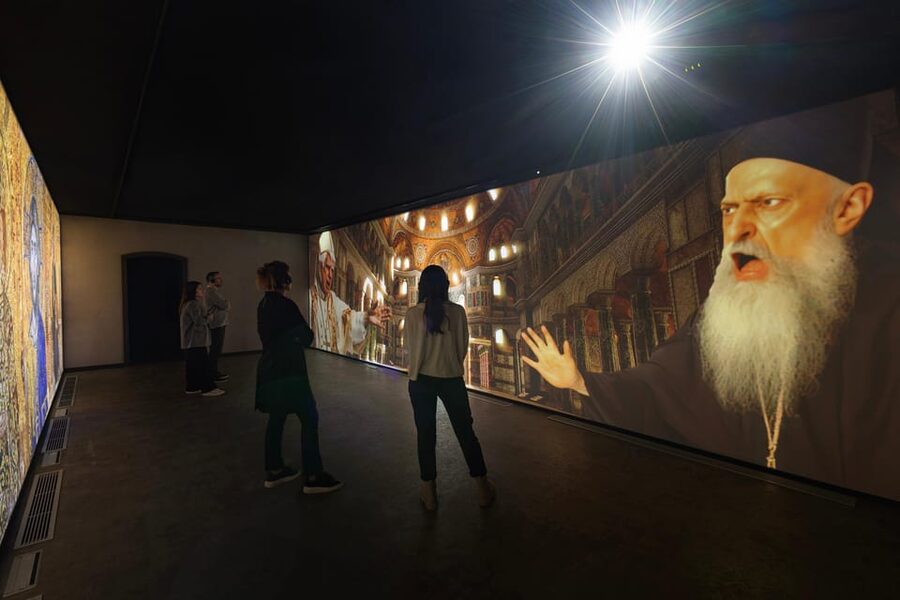
Choose a time that leaves room for security delays. Since the museum is open from 9 a.m. to 7 p.m., you have flexibility, but you should not schedule an important appointment immediately afterward during a crowded period.
Before leaving your hotel, check your email, WhatsApp, or voucher for the QR ticket and audio guide link. Have the ticket ready on your phone, and carry your passport or ID card.
Wear comfortable, non-slip shoes. Leave large bags, luggage, food, drinks, selfie sticks, and other restricted items behind. Silence your phone once inside, and remember that touching exhibits, flash photography, and video recording are not permitted.
Do not expect a guide waiting to collect you. This is a self-directed entry, and confusing the museum with a guided meeting point can waste time. Clear directions and a working phone are especially important because two visitors had trouble locating the meeting point, even after exchanging messages and photos.
Should you book the Hagia Sophia History and Experience Museum?
Book it if you want a polished, technology-led explanation of Hagia Sophia’s Byzantine and Ottoman past, and if you value the freedom of an audio guide over a live tour. The strongest parts are the focused subject, the clear historical timeline, and the way sound and images explain an enormous architectural story.
Skip it if you want a traditional collection, lots of seating, or a quick security entrance. At $34, the ticket is best for someone who will pay attention to the presentation and use the historical context to look at Hagia Sophia with fresh eyes.
My practical call: a good choice for history newcomers and audiovisual museum fans, but not an automatic choice for every Istanbul visitor. Prepare your ticket in advance, allow for security, wear sensible shoes, and treat the skip-the-line claim as ticket-line convenience rather than full priority access.
FAQ
How long is the Hagia Sophia History and Experience Museum ticket valid?
The ticket is valid for one day. Check availability when booking for the available starting times.
What are the opening hours?
The museum is open from 9 a.m. to 7 p.m.
Is this a guided tour?
No. You enter the attraction on your own. A digital audio guide is included, but there is no live guide or guided group tour.
When will I receive my tickets and audio guide?
Your QR-code tickets and audio guide link are sent one day before your visit by email and, when applicable, WhatsApp. The link is also shown in your voucher.
Does skip-the-ticket-line entry mean I can skip security?
No. The ticket does not provide priority access at security checkpoints, and waits can be longer during busy periods.
Is the museum wheelchair accessible?
Yes, it is listed as wheelchair accessible. Because of the historic structure and original steps, wheelchair users are advised to bring a companion for easier movement through the exhibit areas.
Can children visit the museum?
Children must be at least 8 years old. Children over 8 should be supervised and must follow the museum’s behavior rules.
What should I bring and what is prohibited?
Bring your passport or ID card and comfortable, non-slip shoes. Weapons, sharp objects, food, drinks, large bags, luggage, pets except assistance dogs, selfie sticks, flash photography, video recording, smoking, alcohol, drugs, and flashlights are not allowed.
More historic Istanbul visits
- Istanbul Gedikpasa Historical Turkish Bath with Privacy Option
★ 5.0 · 1,285 reviews - Istanbul: Acemoglu Historical Turkish Bath w/Private Options
★ 4.6 · 1,190 reviews - Istanbul: Gedikpasa Historical Hammam with Privacy Add-On
★ 4.8 · 918 reviews - Istanbul Historical Tour with Guide, Lunch and Transfers
★ 4.5 · 561 reviews
Latest additions around Istanbul
- Istanbul: Hagia Sophia Skip-the-Line Ticket with Live Guide★ 3.7 · 3 reviews
- Ephesus Private Tour From Istanbul including transfers & domestic fights★ 5.0 · 3 reviews
- 6 Days Multi City Turkey Tour★ 5.0 · 3 reviews
- Princess Islands Daily Tour from Istanbul★ 5.0 · 3 reviews
- Premium Line : Private Istanbul Tour : All Inclusive Package★ 4.3 · 3 reviews
- Private Istanbul Combo Tour – Classic Old City and Bosphorus Cruise★ 5.0 · 3 reviews
- Private tour: 12-Day Turkish Adventure Package Tour From Istanbul★ 4.5 · 3 reviews
- Istanbul: Hagia Sophia Guided Tour with Optional Ticket★ 3.3 · 3 reviews
Hagia Sophia Tours, compared.

Hagia Sophia Skip-the-Line Ticket & Museum Option
Read our review →
Blue Mosque & Hagia Sophia Guided Tour w/ Tickets
Read our review →
Hagia Sophia Skip-the-Line Ticket and Audio Guide
Read our review →
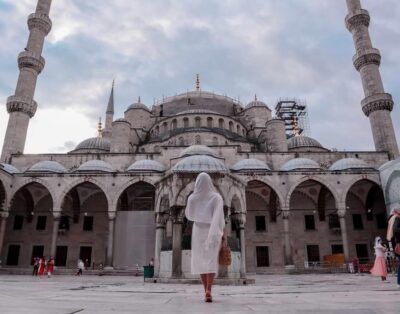
Blue Mosque, Hagia Sophia, & Basilica Cistern Tour
Read our review →
Hagia Sophia Skip-the-Line Ticket with Audio Tour
Read our review →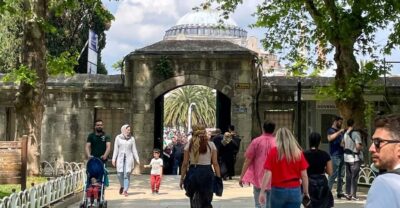
Blue Mosque, Basilica Cistern, & Hagia Sophia Tour
Read our review →
Hagia Sophia Skip-the-Ticket Line & Audio Guide
Read our review →Browse the lists this tour appears in