
Reviewed · WHIRLING DERVISH SHOWS
Istanbul: Hodjapasha Whirling Dervishes Show & Exhibition
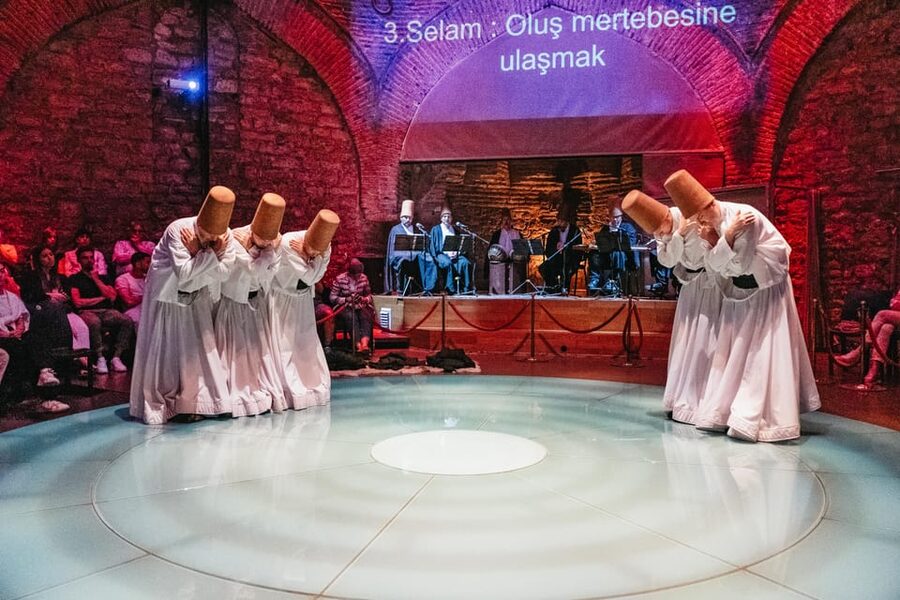
The most striking part of this experience is its setting: a restored 550-year-old Ottoman bath in central Istanbul, with the dervishes turning beneath the old dome. This is not a loud stage act. It is a solemn Mevlevi Sema ceremony built around music, prayer, and controlled movement.
I like the chance to hear a live Turkish ensemble before the ceremony, and I like the small exhibition, which gives you useful context without asking you to study a textbook. The main consideration is simple: the ritual is quiet and repetitive by design, so it may feel slow if you expect a theatrical dance show.
In This Review
- Key points to know before booking
- Why the ceremony feels different from a dance performance
- Entering the Hocapaşa Culture Center near Sirkeci
- Read the exhibition before the music begins
- The opening Turkish music concert
- The sheikh, the chant, and the beginning of Sema
- What the whirling looks and feels like from the seats
- The closing prayer and what the seven sections mean
- Seating, timing, and small practical details
- Is $32 a fair price for one hour?
- Who will appreciate this most
- Should you book the HodjaPasha Sema ceremony?
- FAQ
- Where does the Mevlevi Sema ceremony take place?
- How long does the experience last?
- What is included in the ticket?
- Is photography allowed inside?
- Can I talk or applaud during the ceremony?
- Are children allowed to attend?
- Are seats assigned?
- Is the venue wheelchair accessible?
- Is there an exhibition at the culture center?
- What music is performed?
Key points to know before booking
- A real religious ceremony: The Sema includes chants, prayer, music, and seven symbolic stages.
- A memorable historic venue: The performance takes place inside the former Hocapaşa Ottoman bath near Sirkeci.
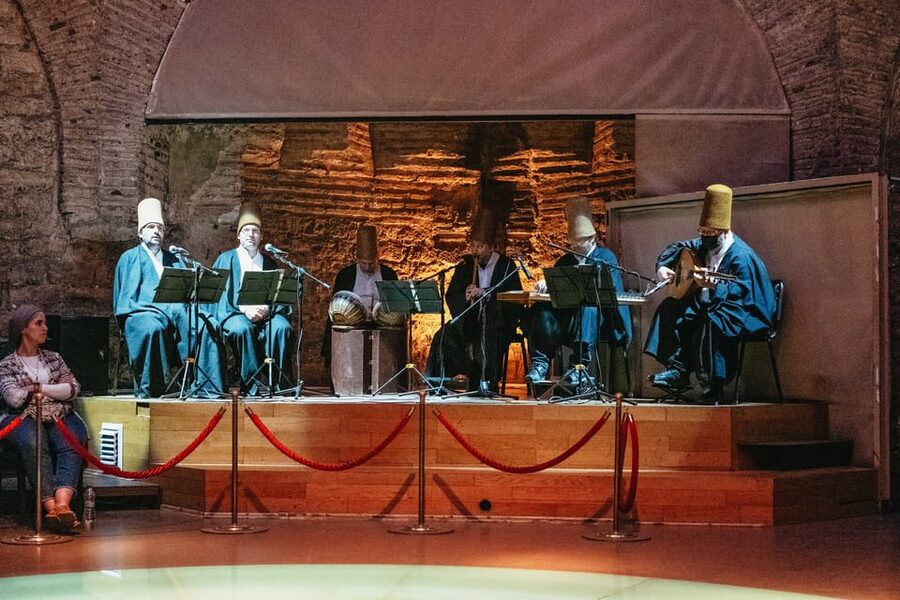
- Live Turkish music comes first: Expect instruments such as the ney, oud, kanun, drum, and vocals.
- Silence is part of the experience: Photography, talking, and applause are not permitted.
- Book early for seating: Seats are assigned in first-booked, first-served order.
- One compact cultural hour: At $32 per person, the value depends on how much you want cultural depth rather than a long entertainment program.
Why the ceremony feels different from a dance performance
The word show appears in the booking title, but it can set the wrong mood. The Mevlevi Sema is a religious ceremony connected with Sufi Islam, not a tourist dance routine built around applause and quick effects.
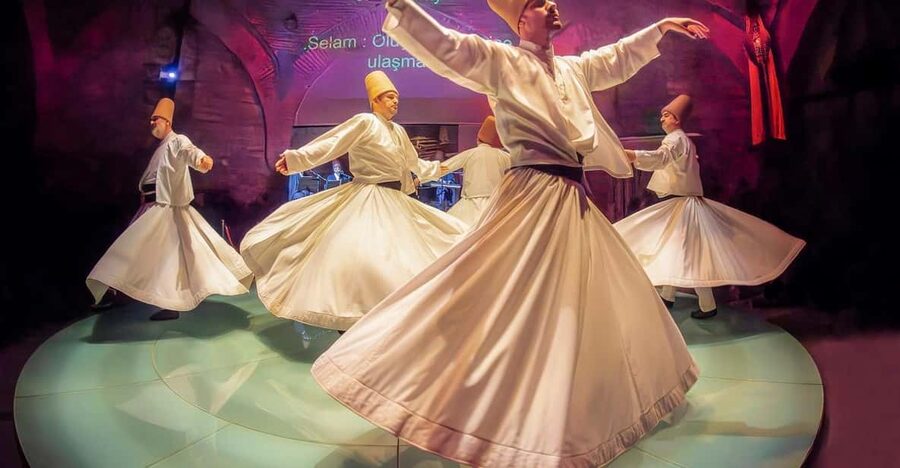
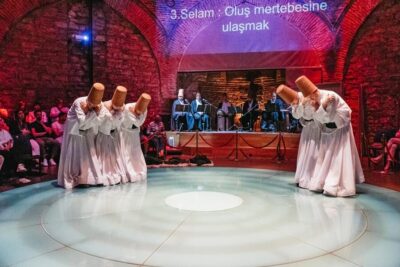
You will see dervishes in white robes and tall felt hats, accompanied by musicians and a sheikh. Their turning represents a spiritual journey, often described as humanity’s movement toward truth, love, and a closer relationship with God. The performance does not stop to explain each movement in detail, so the booklet and exhibition matter.
I found the best way to approach the hour is to think of it as a cultural ceremony you are being allowed to witness. The repeated turning is the point. The silence is the point. The music is not background decoration. It gives the ritual its structure and mood.
That may sound serious, and it is. But the atmosphere can also be calming. The stone interior, the slow movement of the robes, and the live instruments create a setting unlike the usual Istanbul evening entertainment.
More whirling dervish ceremonies:
- Istanbul: Whirling Dervishes Ceremony and Mevlevi Sema
★ 4.3 · 1,694 reviews - Istanbul: Whirling Dervish Ceremony next to Hagia Sophia
★ 4.5 · 906 reviews - Istanbul Hodjapasha Whirling Dervishes Show & Exhibition
★ 4.0 · 503 reviews
Entering the Hocapaşa Culture Center near Sirkeci
The meeting point is the Hocapaşa Culture Center, roughly 100 meters from the Sirkeci Tram Stop. That makes this one of the easier evening activities to reach if you are staying around Sultanahmet, Eminönü, or the Golden Horn side of central Istanbul.
The building itself is part of the appeal. You enter a restored Ottoman Turkish bath, then make your way into the performance area beneath the central dome. The old structure gives the music a strong echo, particularly during the ney passages and vocal sections.
The venue is intimate rather than grand. That helps the ceremony feel close and focused, though it also means the seating can be tight. Several comments point out that the chairs are placed close together, and some people found them uncomfortable. If you prefer plenty of personal space, this is worth keeping in mind.
There are also stairs leading up to the venue, according to the practical information provided at the site. The experience is not suitable for wheelchair users. Children under seven are not admitted.
Read the exhibition before the music begins
The foyer exhibition is easy to overlook if you arrive just before the start. I would arrive early and give yourself time to read the panels and look at the objects before taking your seat.
The displays explain the background of the Mevlevi tradition and the meaning of the whirling ritual. This preparation makes a real difference. Without it, you may see graceful figures turning in circles and wonder how the ceremony is organized. With it, you can follow the broad idea of the spiritual ascent and understand why the ceremony is treated with such care.
The booklet adds another layer of help. It is not a substitute for a guide, and there is no named guide or live lecture included, but it gives you a framework before the lights settle and the music starts.
If you have questions about Sufism, the exhibition can answer some basic ones. It may not satisfy anyone looking for a long, personal explanation from a specialist. Still, for a one-hour program, the combination of panels and booklet is useful and well judged.
The opening Turkish music concert
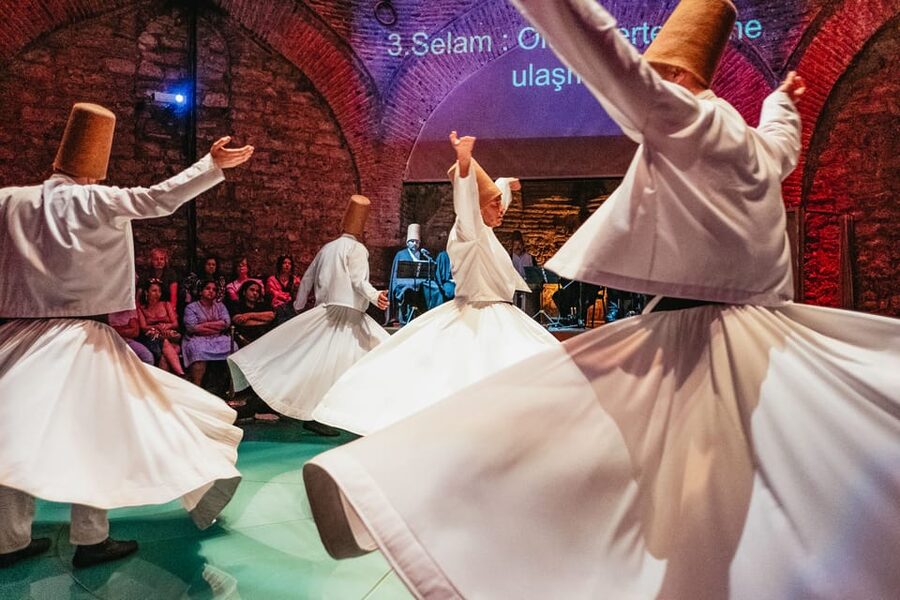
The program begins with classical Turkish music. This is an important part of the evening, not filler while the dervishes prepare.
The musical group can include vocals, ney, oud, kanun, and Ottoman-era percussion. The ney is a reed flute with a breathy, plaintive sound. Its solo passages can be especially powerful in the old bathhouse, where each note hangs in the air.
The oud and kanun add different colors. The oud has a warm, rounded tone, while the kanun brings a bright, precise plucked sound. Together with the percussion and singers, they establish the musical modes used during the ceremony.
You do not need prior knowledge of Turkish music to appreciate this section. You only need to listen patiently. The pace is measured, and some pieces may sound similar if your taste runs toward fast, changing entertainment. For anyone interested in the music of Turkey, though, this opening is one of the strongest parts of the program.
The musicians are close enough to feel like part of the ceremony rather than a separate orchestra hidden in a pit. In a venue with old stone surfaces, the sound is a major part of the experience.
More museums and sites in Istanbul:
- Istanbul: Hagia Sophia Skip-the-Line Ticket & Museum Option
★ 3.7 · 4,958 reviews - Istanbul: Topkapi Palace & Harem Museum Ticket & Audio Guide
★ 4.1 · 3,977 reviews - Istanbul: Topkapi Palace and Harem Museum Tour with Ticket
★ 4.7 · 247 reviews - Istanbul: Hagia Sophia Mosque and Museum Skip-The-Line Combo
★ 4.5 · 136 reviews
The sheikh, the chant, and the beginning of Sema
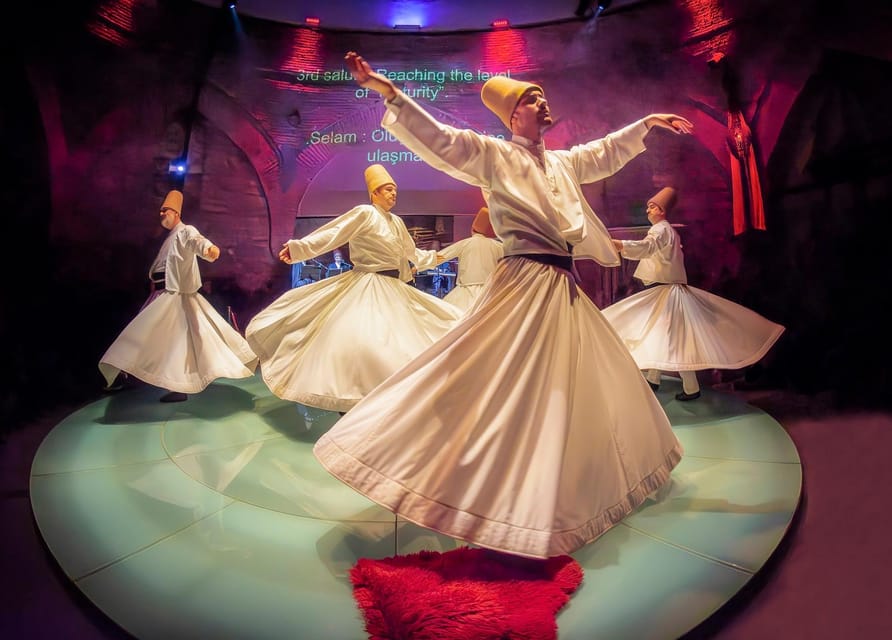
After the concert, the dervishes and sheikh take their places. The ceremony includes praise for the Prophet Mohammed, followed by chant and the sound of the drum.
This transition helps you understand that the evening is moving from concert into prayer. The mood becomes more formal. Talking, applause, and casual movement are not permitted, so settle in before this section starts.
The Sema is arranged in seven parts. These stages represent the birth of humanity and a spiritual movement through thought and love. The exact symbolism can be difficult to grasp in one sitting, but the ceremony’s order is clear even if every meaning is not.
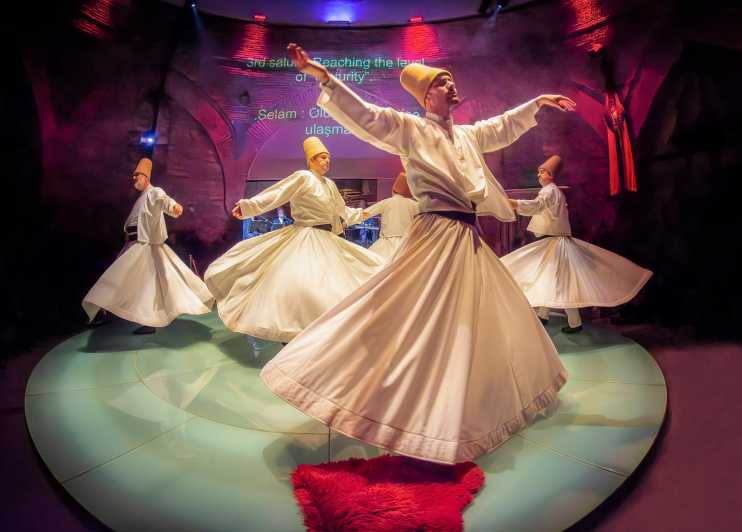
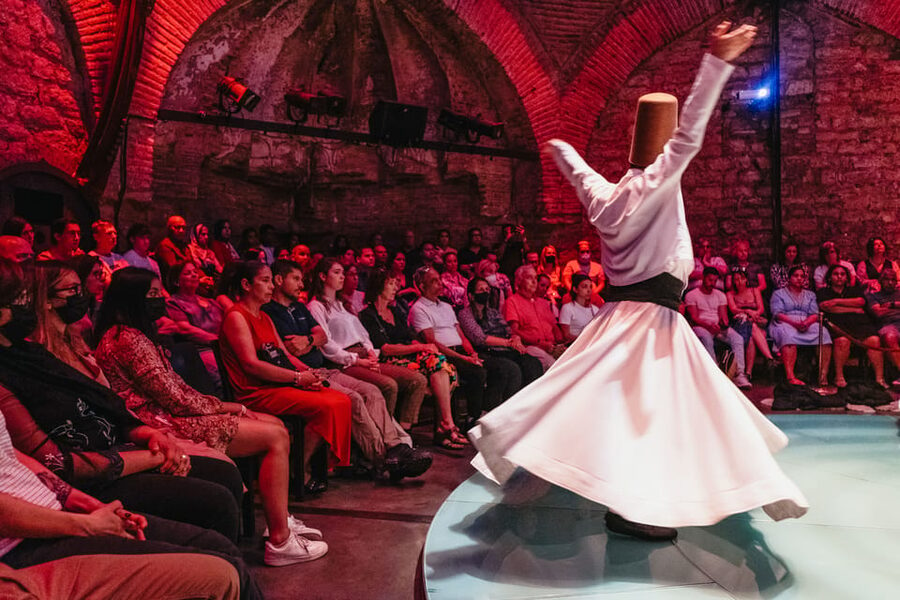
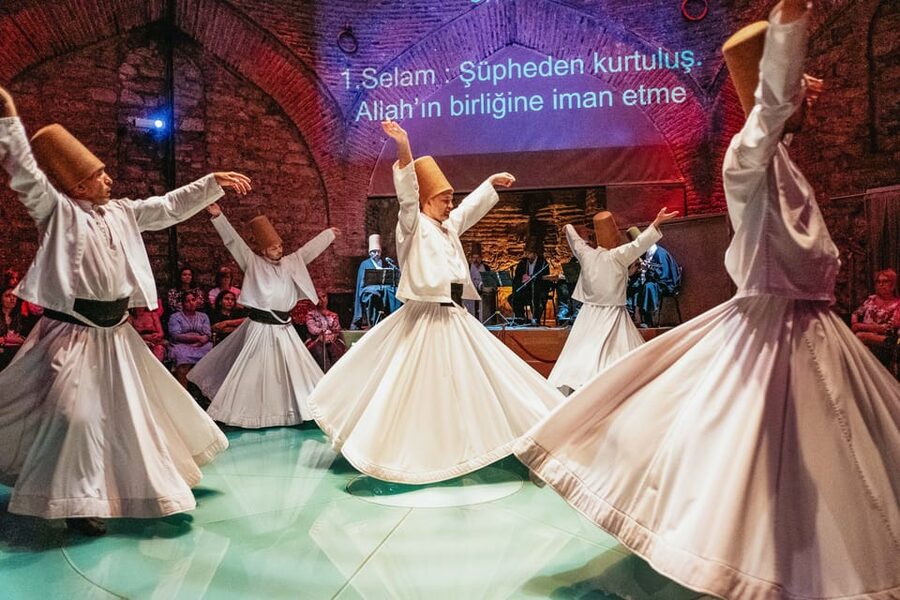
The dervishes first move in a controlled way, then begin to turn. Their right hands are raised and their left hands are lowered, a gesture linked with receiving and passing on spiritual grace. The focus is not on athletic display, even though the physical control is impressive.
At times, five dervishes may turn for more than half an hour across the different sections. They stop with remarkable control, then resume as the ritual calls for it. This skill is easy to notice, but the ceremony asks you to look beyond the mechanics.
What the whirling looks and feels like from the seats
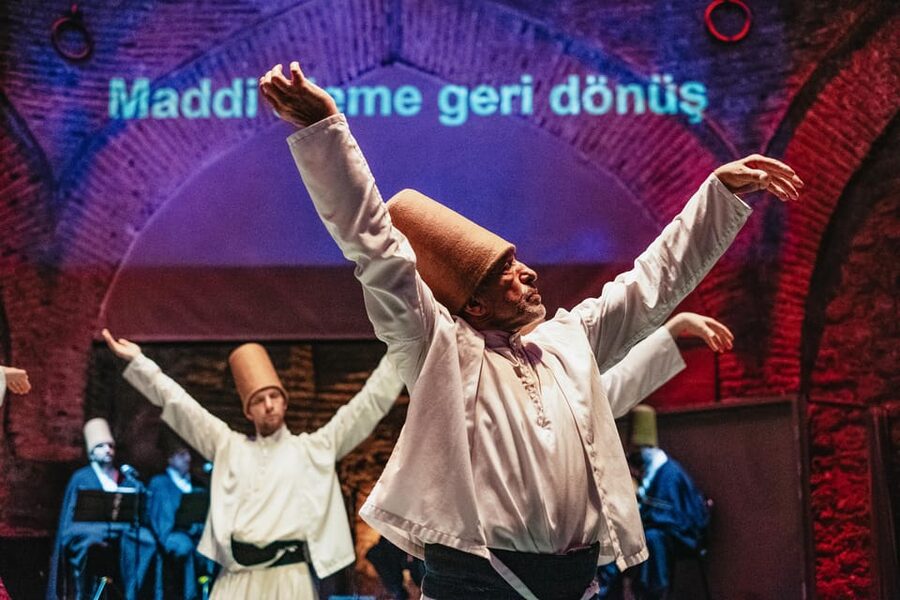
The turning is slower and more restrained than many stage performances suggest. The white skirts open as the dervishes rotate, creating a steady visual rhythm beneath the dome.
You may notice the air moving as the skirts pass, particularly from a front seat. The effect is hypnotic for some people. Others may find the repetition difficult after a while. Both reactions are reasonable.
This is why your expectations matter. If you want a fast dance with dramatic lighting and a story explained in English, this will not be the best fit. If you want to sit quietly with live music and watch a centuries-old spiritual practice unfold, the hour can feel surprisingly absorbing.
The ceremony’s lack of applause makes a difference. Nobody breaks the mood to clap after a difficult turn or a beautiful musical passage. Phones stay away, cameras stay off, and the room remains still. Some people may find that restrictive, but I see it as one of the reasons the ritual avoids feeling like a standard tourist attraction.
Photography is not allowed inside. You will not leave with your own pictures, but you can give the ceremony your full attention.
The closing prayer and what the seven sections mean
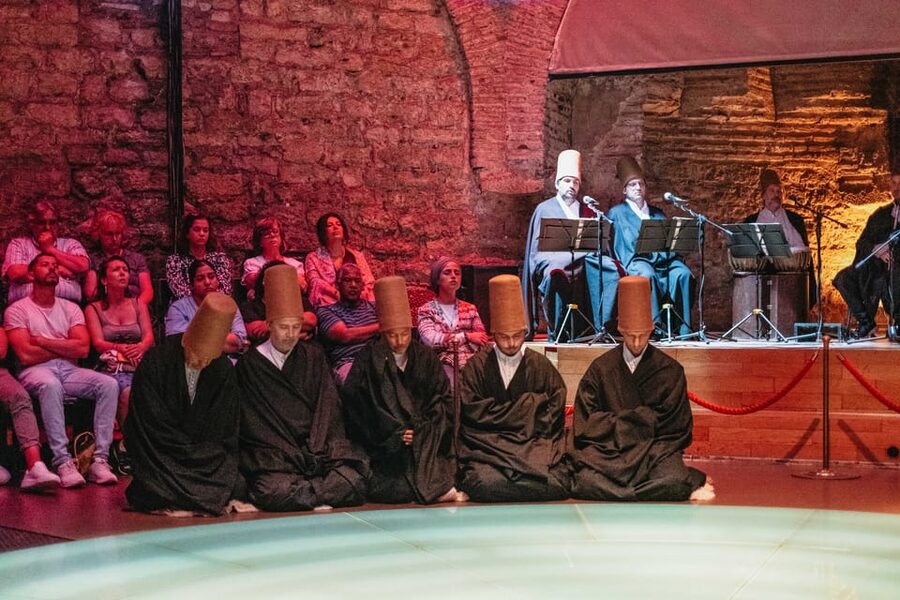
The Sema ends with a Fâtiha for the souls of prophets, martyrs, and believers. It also includes a prayer for the salvation of the country.
That ending reinforces the ceremony’s religious purpose. The dervishes do not simply finish spinning and walk off to applause. The final prayer brings the ritual back to worship and reflection.
The program booklet can help you follow this sequence, especially if you read it before the performance. I would not expect a full lesson in Sufi theology during the hour, but you will gain a clear introduction to the main symbols and stages.
For me, the value is less about memorizing every term and more about seeing how music, movement, poetry, prayer, and architecture work together. You come away with a better sense of why the Mevlevi ceremony has survived for centuries and why it is treated with reverence.
Seating, timing, and small practical details
The ceremony lasts one hour. Starting times vary, so you need to check the available slot when booking.
Seats are allocated according to the order in which tickets are booked. That makes early booking worthwhile, especially if you care about where you sit. The arrangement is intimate, and the venue is not large, so there is no guarantee that a late booking will get the place you want.
Arrive early for three reasons:
- You can read the exhibition before the room fills.
- You can find the entrance and manage the stairs without rushing.
- You can settle into your seat before the ceremony begins.
Late arrivals can be distracting because silence and stillness are expected once the ritual is underway. Bring water if you need it, though bottled drinking water is included. A cough drop is also a sensible idea for anyone prone to a dry throat during quiet music, since even a small cough carries in the old stone room.
Complimentary drinks are part of the experience information, while bottled water is specifically included. Treat this as a modest comfort, not a full refreshment service.
Is $32 a fair price for one hour?
At $32 per person, this is not the cheapest short activity in Istanbul. You are paying for a one-hour ceremony, a historic venue, live music, the exhibition, a program booklet, and bottled water.
The value is strongest if you would otherwise pay to attend a cultural performance and visit a small museum separately. The building and the musical program give the ticket more substance than a simple dance demonstration.
The value is weaker if you measure every activity by its length or expect a full evening of entertainment. One hour passes quickly, but the ceremony itself is compact. There is no long guided tour, meal, transfer, or extended lecture included.
I would call the price fair for a specialized cultural experience, especially for someone already curious about Sufi Islam or Turkish music. If your main goal is simply to see people spin, you may feel the cost is high.
Free cancellation up to 24 hours before the activity and the option to reserve now and pay later reduce the risk of fitting it into a changing Istanbul schedule. Those policies are helpful, but the real booking decision comes down to your interest in a quiet religious ceremony.
Who will appreciate this most
I would recommend this to adults and older children who enjoy history, religion, music, architecture, and unusual cultural experiences. It works well as a calm break from Istanbul’s crowded streets and busy archaeological sights.
It is also a good choice if you have never seen a Mevlevi Sema ceremony and want an accessible introduction. The exhibition and booklet give you enough context to follow the broad meaning without requiring previous study.
You may want to skip it if you need constant movement, audience interaction, or a narrated performance. The turning can feel repetitive, and the strict no-talking rule is not a minor detail. It is central to the event.
The ceremony is not suitable for children under seven or wheelchair users. Tight seating and stairs may also matter to anyone with mobility or comfort concerns.
Should you book the HodjaPasha Sema ceremony?
Book it if you want to witness a serious cultural and spiritual tradition in a beautiful old building. The live ney, oud, kanun, percussion, and vocals are a major strength, and the setting gives the music an atmosphere that a modern theater could not copy.
Book early if seating matters, and arrive with enough time for the exhibition. Turn off your phone, skip the camera, and accept that the experience asks you to watch rather than participate.
I would not book this as a conventional dance show. I would book it as a respectful hour of Turkish music, Sufi ritual, and Ottoman architecture. For the right audience, it can become one of the more memorable parts of an Istanbul visit.
FAQ
Where does the Mevlevi Sema ceremony take place?
It takes place at the Hocapaşa Culture Center, about 100 meters from the Sirkeci Tram Stop in central Istanbul.
How long does the experience last?
The ceremony lasts one hour.
What is included in the ticket?
The ticket includes entry to the Mevlevi Sema ceremony, a program booklet, and bottled drinking water.
Is photography allowed inside?
No. Photography is not allowed inside the performance area.
Can I talk or applaud during the ceremony?
No. Talking, applause, and any disruption of the performance are prohibited.
Are children allowed to attend?
Children under seven are not permitted.
Are seats assigned?
Yes. Seating is allocated according to the order in which tickets are booked, so booking early may help you secure a better seat.
Is the venue wheelchair accessible?
The experience is not suitable for wheelchair users.
Is there an exhibition at the culture center?
Yes. A small exhibition explains the history and meaning of the whirling dervish tradition. Arriving early gives you time to read it before the ceremony.
What music is performed?
The program includes classical Turkish music and may feature vocals, ney, oud, kanun, and Ottoman-era percussion.
More Show in Istanbul
- Istanbul: Bosphorus Dinner Cruise & Show with Private Table
★ 4.8 · 44,561 reviews - Istanbul: Bosphorus Dinner Cruise with Turkish Night Show
★ 4.8 · 10,127 reviews - Istanbul: Bosphorus Cruise with Dinner Show
★ 4.4 · 2,181 reviews - Bosphorus Dinner Cruise with Show and Private Table
★ 4.5 · 2,021 reviews
Latest additions around Istanbul
- Istanbul: Hagia Sophia Skip-the-Line Ticket with Live Guide★ 3.7 · 3 reviews
- Ephesus Private Tour From Istanbul including transfers & domestic fights★ 5.0 · 3 reviews
- 6 Days Multi City Turkey Tour★ 5.0 · 3 reviews
- Princess Islands Daily Tour from Istanbul★ 5.0 · 3 reviews
- Premium Line : Private Istanbul Tour : All Inclusive Package★ 4.3 · 3 reviews
- Private Istanbul Combo Tour – Classic Old City and Bosphorus Cruise★ 5.0 · 3 reviews
- Private tour: 12-Day Turkish Adventure Package Tour From Istanbul★ 4.5 · 3 reviews
- Istanbul: Hagia Sophia Guided Tour with Optional Ticket★ 3.3 · 3 reviews
Whirling Dervish Shows, compared.
Istanbul Hodjapasha Whirling Dervishes Show & Exhibition
Read our review →
Istanbul Traditional Turkish Dinner and Dervish Experience
Read our review →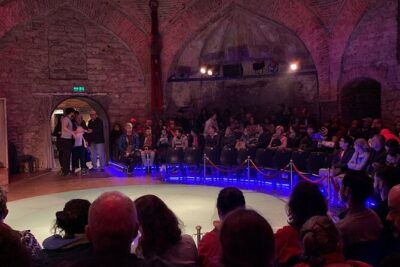
Whirling Dervish Ceremony: Go on a Spiritual Journey
Read our review →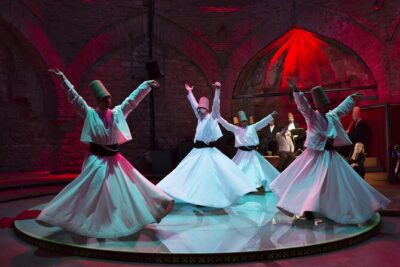
Istanbul Whirling Dervish Ceremony, A Mystical Sufi Experience
Read our review →Traditional Turkish Dinner and Dervish Experience
Read our review →Browse the lists this tour appears in