
Reviewed · WHIRLING DERVISH SHOWS
Istanbul: Whirling Dervishes Ceremony and Mevlevi Sema
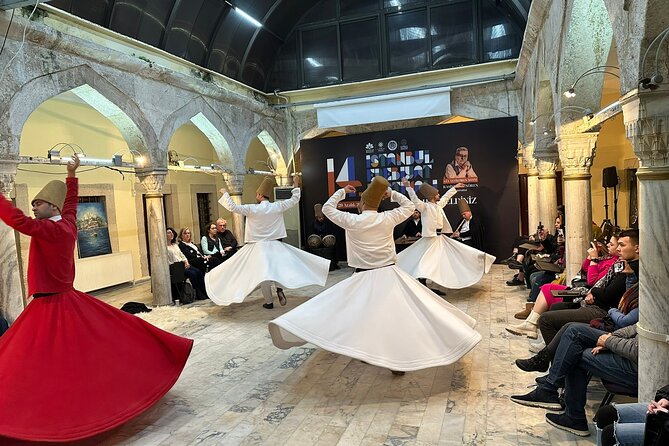
The heart of this Istanbul evening is not a staged dance show, but a Sufi ceremony built around music, prayer, and the slow, controlled turning of Mevlevi dervishes. At Kızlarağa Medresesi, a small historic venue near the T1 tram in Sultanahmet, you sit close enough to see the musicians’ hands and follow the performers’ movements.
I like the intimate setting and the strong value at about $24 per person. I also like that the performance gives you a direct look at an 800-year-old Turkish tradition recognized by UNESCO as Intangible Cultural Heritage.
The main drawback is the lack of explanation. The music can fill much of the 50-minute program before the whirling begins, and seating has sometimes been poorly managed. Arrive 15 to 20 minutes early, especially if you want a clear view.
In This Review
- Key things to know before you book
- What the Mevlevi Sema ceremony really is
- Entering Kızlarağa Medresesi in Sultanahmet
- The opening music takes patience
- When the dervishes begin to whirl
- Why the lack of commentary matters
- Seating, timing, and the small-room tradeoff
- A religious ceremony, not a staged spectacle
- Is $24.02 a fair price?
- Who will enjoy this most
- Booking and cancellation details
- Should you book the Istanbul Whirling Dervishes ceremony?
- FAQ
- Where does the ceremony take place?
- What time does the ceremony start?
- How long does the ceremony last?
- What does the ceremony include?
- Is transportation included?
- Is the ceremony suitable for children?
- Do I need to arrive early?
- What is the cancellation policy?
Key things to know before you book
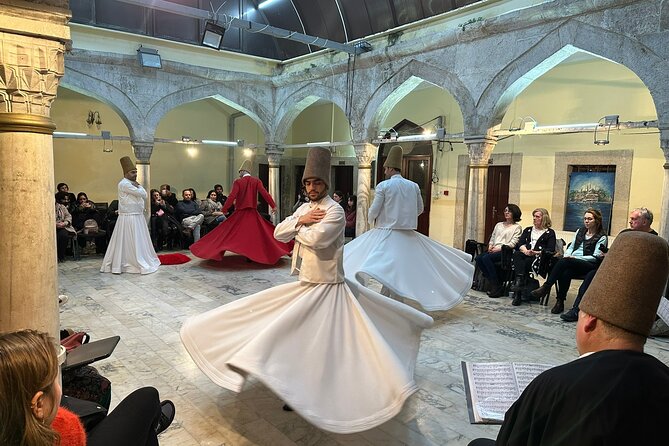
- The ceremony begins with music and chanting: The whirling is only part of the program, so expect a religious music performance before the dancers enter.
- The venue is small: There are only a few rows of seats, which can give you a close view, but late arrival may mean standing or sitting behind a pillar.
- The T1 tram makes the location easy: Kızlarağa Medresesi is centrally placed in Sultanahmet and near public transportation.
- You should read about the ritual first: No detailed introduction is reliably provided, and the symbolism makes more sense when you know the basic stages.
- Children can attend: Families are welcome, and staff have provided cushions or better seating for children.
- The tone is religious, not theatrical: Go with respect for a ceremony of worship, not with expectations of a flashy stage production.
What the Mevlevi Sema ceremony really is
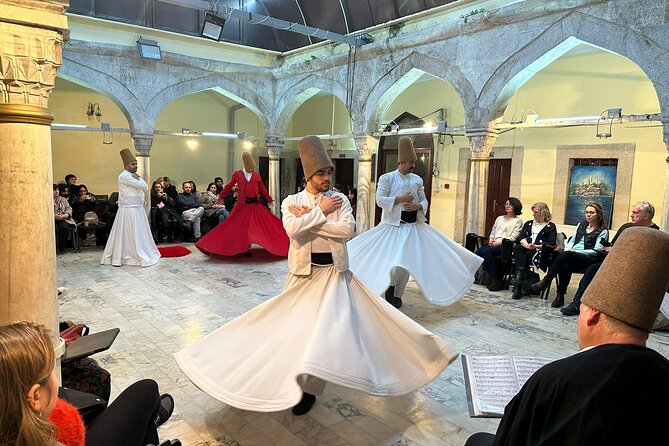
The Mevlevi Sema is often described simply as a whirling dervish show. That label is convenient, but incomplete. The turning is part of a Sufi ceremony connected with the Mevlevi tradition and its path toward Allah.
The ceremony contains music, chanting, prayer, symbolic gestures, and carefully ordered movements. The dervishes do not whirl as a stunt. Their turning represents a spiritual journey, with the body, mind, and spirit directed toward the divine.
The tradition is linked with Mawlana Jalaluddin Rumi and was developed in a disciplined form over centuries. The supplied background traces its rules from the time of Sultan Veled and Ulu Arif Celebi, with the form reaching its final shape by the time of Pir Adil Celebi.
You do not need to be a scholar of Sufism to appreciate the ceremony. Still, I strongly suggest spending ten minutes reading about the Mevlevi Sema before you arrive. That small effort helps you understand why the dervishes bow, how they enter, and why the turning is treated as worship rather than entertainment.
More whirling dervish ceremonies:
- Istanbul: Hodjapasha Whirling Dervishes Show & Exhibition
★ 4.4 · 4,790 reviews - Istanbul: Whirling Dervishes Ceremony and Mevlevi Sema
★ 4.3 · 1,694 reviews - Istanbul: Whirling Dervish Ceremony next to Hagia Sophia
★ 4.5 · 906 reviews
Entering Kızlarağa Medresesi in Sultanahmet
The ceremony takes place at Kızlarağa Medresesi, a historic building in the Sultanahmet area. Its central location is one of the clearest practical advantages. You can reach the area by public transportation, and the T1 tram line makes it easier to fit the ceremony into an evening of sightseeing.
The venue is compact. Several accounts describe only three rows of seats, which means you are much closer to the musicians and performers than you would be in a large theater. From a good position, you can watch the instruments, hear the chanting clearly, and see the dervishes without a long gap between you and the central performance area.
That intimacy cuts both ways. A small room creates a quiet, focused mood, but it leaves less room for errors in seating. Some ticket holders have found themselves behind musicians or pillars, while others have had to stand because the room was overbooked.
My advice is simple: arrive at least 15 minutes early, and preferably 20 minutes early. One person arrived 20 minutes before the start and found a good seat. Another arrived 15 minutes early and sat farther back but could still see well. If you want the front rows, do not treat the 7:00 pm start time as your arrival time.
The opening music takes patience
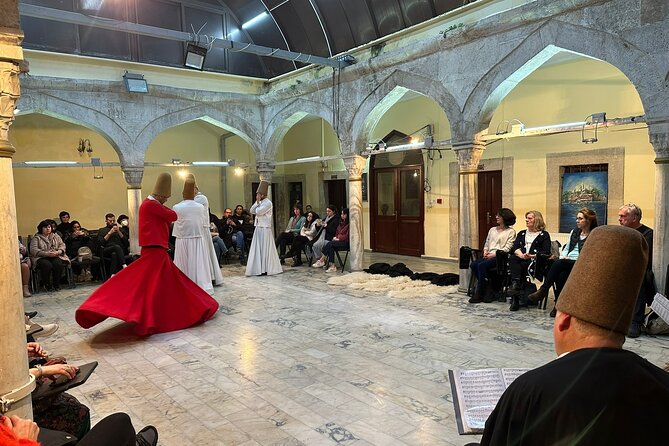
The performance usually begins with live music and chanting. The musical group has been described as using three instruments, with the musicians singing and playing for roughly 20 to 40 minutes before the whirling starts.
This is where expectations matter. If you came mainly to see spinning, the opening may feel long. Some accounts describe the whirling section as about ten minutes, while others experienced closer to 15 minutes or more. The full event is listed at approximately 50 minutes, though several people found it closer to an hour.
I think the opening deserves your attention. The instruments and voices establish the religious setting, and the music is not just filler before the main event. It prepares the room for the Sema and gives the turning a more serious context.
You will notice the difference between this and a theatrical performance designed to keep the audience constantly stimulated. The pace is measured. The music repeats and develops. The ceremony asks you to watch quietly rather than wait for a dramatic climax.
Tea and water are provided before the performance, and one account also mentions juice. These are small touches, but they make the short evening visit more comfortable, especially if you are coming straight from a full day of walking around Istanbul.
When the dervishes begin to whirl
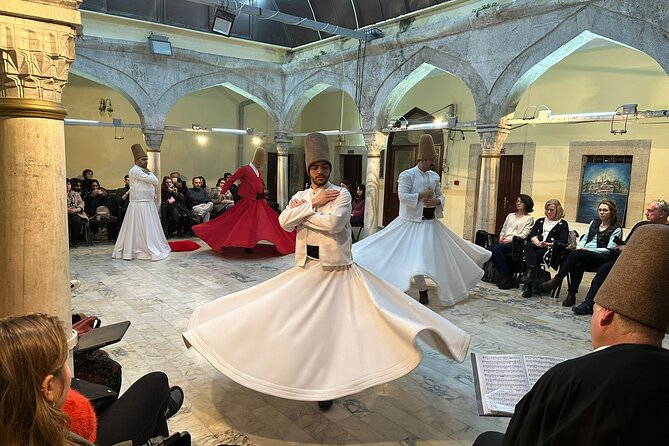
The central part of the ceremony begins when the dervishes enter and start the formal sequence of movements. The performers wear the traditional tall felt headgear and long robes associated with the Mevlevi order. As they turn, the skirts open outward and create the familiar circular shape.
The effect is more powerful when you watch closely. The motion can look effortless, but the controlled posture and steady turning require discipline. The performers keep their movements calm and deliberate, which is why the ceremony feels meditative rather than acrobatic.
The music adds much of the atmosphere. The combination of stringed instruments, chanting, and rotating figures creates a sound and visual pattern that can hold your attention for the entire final section. I would not describe it as flashy. Its appeal comes from repetition, concentration, and the sense that you are watching a practice with meaning beyond the room.
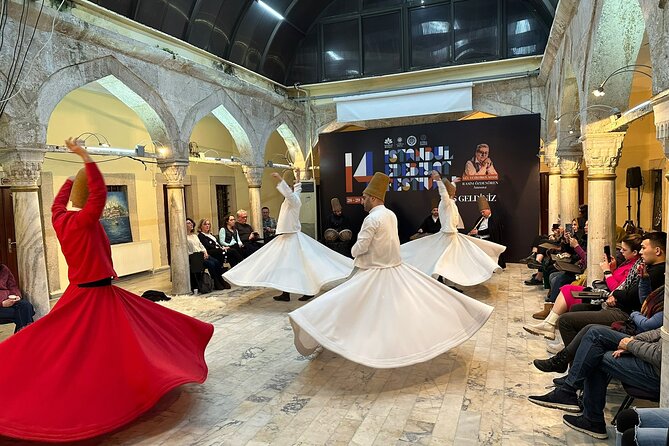
One account described three dervishes performing. The exact number and length of the whirling section can vary, so I would not book this expecting a precisely timed dance program. The listed duration is approximately 50 minutes, and the focus is the whole ceremony, not only the turning.
Two continents, plenty of other ways to spend a day:
- Istanbul: Bosphorus Dinner Cruise & Show with Private Table
★ 4.8 · 44,561 reviews - Istanbul: Daytime or Sunset Sightseeing Cruise & Audio Guide
★ 4.8 · 14,430 reviews - Istanbul: Bosphorus Dinner Cruise with Turkish Night Show
★ 4.8 · 10,127 reviews - Best of Istanbul 1, 2 or 3-Day Private Guided Istanbul Tour
★ 5.0 · 8,922 reviews
Why the lack of commentary matters
The biggest weakness is that there may be no spoken introduction or explanation before the ceremony. You might receive an audio guide or find information connected with the visit, but you should not count on a detailed explanation inside the room.
That matters because the Sema has a sequence and symbolism that are not obvious at first glance. Without preparation, you may see musicians, chanting, bows, and whirling without understanding how those parts connect.
I would treat this as a self-guided cultural visit. Read a short explanation of the Mevlevi tradition, the meaning of the turning, and the role of the music before you go. If you are traveling with children, explain that this is a religious ceremony and ask them to remain quiet once it begins.
Some people wanted more background and felt the event was hard to interpret without it. Others found that the quiet, unexplained quality helped preserve the ceremony’s solemn mood. Both reactions make sense. If you need a guide to explain every stage, this may disappoint you. If you are comfortable doing a little reading first, the absence of narration is less of a problem.
Seating, timing, and the small-room tradeoff
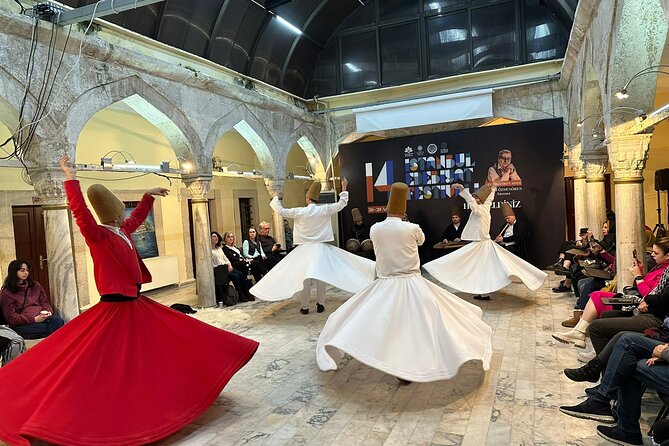
The seating is the detail most likely to affect your evening. The small room gives you a close view, but it also means there is little flexibility when many people arrive at once.
Arriving early helps with three things:
- You have a better chance of sitting in front.
- You can settle before the music begins.
- You avoid adding movement and noise once the ceremony is underway.
A position too close to the musicians may not be ideal, since instruments can block part of the central area. One detailed account suggested that a seat toward the side, rather than directly near the center or immediately behind the musicians, may offer a better overall view.
The venue has reportedly accommodated children with cushions and, in one case, helped a child find a front-row position. That makes the ceremony workable for families, but the calm setting still requires children who can sit quietly for the full program.
Late arrivals can interrupt the atmosphere. People moving through a confined room, shifting chairs, taking photos, or trying to cross the central space can distract from the ceremony and block views. Arrive on time, silence your phone, and keep photography discreet.
A religious ceremony, not a staged spectacle
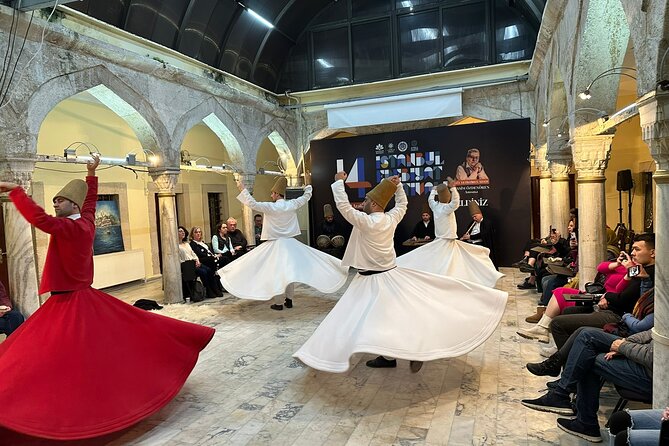
You should decide what kind of evening you want before booking. This is a traditional religious performance presented for an audience, but it is not a Hollywood-style production. There are no claims of theatrical effects or elaborate staging, and that is part of its value.
The performers’ dedication is central to the appeal. The music and turning can feel hypnotic, but the goal is not simply to impress you. The ceremony represents worship and spiritual concentration.
I find that distinction important. If you approach it as a strange dance and wait for a dramatic show, the long musical opening may seem excessive. If you approach it as a chance to witness a sacred Turkish tradition, the measured pace makes more sense.
Respect also shapes the experience for everyone in the room. Laughing, chatting, standing in front of others, taking constant photographs, or entering the performance area can quickly damage the quiet mood. You do not need special religious knowledge, but you do need to behave as you would in a place of worship.
Is $24.02 a fair price?
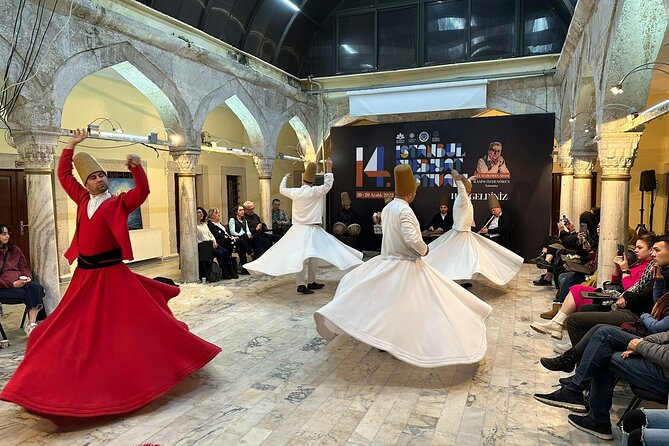
At approximately $24.02 per person, this is reasonably priced for a short cultural activity in central Istanbul. The admission ticket is included, and tea and water are provided before the ceremony. You are paying for a 50-minute event, sometimes closer to an hour, in a historic setting with live musicians and performers.
The value depends on what you want. For a polished theater production with extensive narration, assigned premium seating, and a long dance program, this is not the right comparison. The whirling may occupy only the final 10 to 15 minutes in some versions of the program.
For an affordable introduction to an important Turkish tradition, the price works well. You avoid a long commitment, can reach the venue by public transportation, and can combine the ceremony with other Sultanahmet sights. The lack of pickup and drop-off is not a major concern because the location is central, but you must make your own way there.
The price also makes this a lower-risk choice for families or first-time visitors who want to try something beyond mosques, palaces, and museums. Just remember that low cost does not guarantee a large venue or carefully assigned seats.
Who will enjoy this most
I would recommend this ceremony to you if you enjoy:
- Traditional music and devotional performance
- Quiet cultural activities rather than fast entertainment
- Short evening events near Sultanahmet
- Experiences that benefit from advance reading
- Visiting with children who can remain respectful and still
- Seeing Turkish culture in a historic setting
It is also a good choice if you have never seen a Mevlevi ceremony before. The combination of live music and whirling offers a clear introduction without taking up an entire evening.
I would be more cautious if you have already attended several similar performances and want something new. The format is focused and fairly short. I would also hesitate if you dislike sitting quietly through music before the main visual element begins.
People with mobility needs should note that seating and room organization may be tight. The available information says most people can participate, but it does not provide detailed accessibility information. If you need a particular seating arrangement, confirm it before booking.
Booking and cancellation details
The start time is 7:00 pm, and mobile tickets are accepted. The activity is often booked around 13 days ahead, so reserving in advance is sensible during a busy visit to Istanbul.
You receive confirmation when you book. Free cancellation is available until 24 hours before the local start time for a full refund. Cancellations or changes made within 24 hours are not refunded or accepted.
Since transportation is not included, plan your route to Kızlarağa Medresesi before the evening. The nearby T1 tram line makes the Sultanahmet area practical, but allow time to find the exact entrance and settle into the small room.
Should you book the Istanbul Whirling Dervishes ceremony?
I would book it if you want a short, affordable look at Turkish religious culture and are willing to read a little beforehand. The music, chanting, and whirling create a memorable hour, and the close setting lets you see details that disappear in a large theater.
Book early and arrive early. Do not expect a narrated show, a long dance performance, or perfect seating arrangements. Go respectfully, give the music your attention, and understand that the whirling is the final part of a larger ceremony.
For first-time visitors to Istanbul, this is a worthwhile choice at $24.02. Its best qualities are its central location, intimate venue, live music, and direct connection to an old Mevlevi tradition. Its weak points are the limited explanation and the risk of cramped or poorly managed seating. If those tradeoffs suit you, this can be one of the more meaningful short evening activities in Sultanahmet.
FAQ
Where does the ceremony take place?
The ceremony takes place at Kızlarağa Medresesi in Istanbul, in the Sultanahmet area.
What time does the ceremony start?
The stated start time is 7:00 pm.
How long does the ceremony last?
The listed duration is approximately 50 minutes. Some accounts describe the full event as lasting close to an hour.
What does the ceremony include?
The experience includes the Whirling Dervishes Ceremony, with live music, chanting, and Mevlevi Sema performed by whirling dervishes.
Is transportation included?
No. Pickup and drop-off are not included, but the venue is near public transportation and the T1 tram line in Sultanahmet.
Is the ceremony suitable for children?
Most people can participate, and families can attend. Staff have provided cushions or helped children find a better view, but children should be able to sit quietly and behave respectfully during the religious ceremony.
Do I need to arrive early?
Yes. The venue is small, and arriving 15 to 20 minutes early gives you a better chance of finding a clear seat, especially if you want to sit near the front.
What is the cancellation policy?
You can cancel at least 24 hours before the local start time for a full refund. Cancellations and changes made less than 24 hours before the start are not accepted or refunded.
Latest additions around Istanbul
- Istanbul: Hagia Sophia Skip-the-Line Ticket with Live Guide★ 3.7 · 3 reviews
- Ephesus Private Tour From Istanbul including transfers & domestic fights★ 5.0 · 3 reviews
- 6 Days Multi City Turkey Tour★ 5.0 · 3 reviews
- Princess Islands Daily Tour from Istanbul★ 5.0 · 3 reviews
- Premium Line : Private Istanbul Tour : All Inclusive Package★ 4.3 · 3 reviews
- Private Istanbul Combo Tour – Classic Old City and Bosphorus Cruise★ 5.0 · 3 reviews
- Private tour: 12-Day Turkish Adventure Package Tour From Istanbul★ 4.5 · 3 reviews
- Istanbul: Hagia Sophia Guided Tour with Optional Ticket★ 3.3 · 3 reviews
Whirling Dervish Shows, compared.
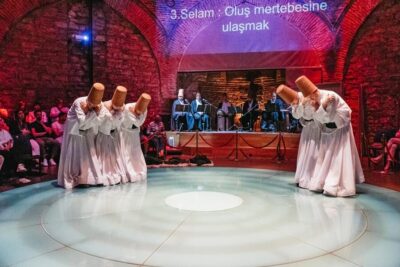
Hodjapasha Whirling Dervishes Show & Exhibition
Read our review →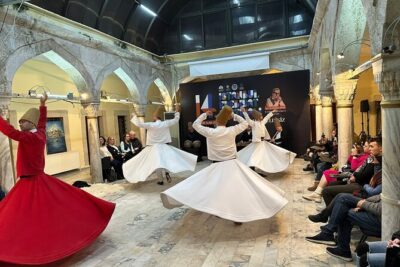
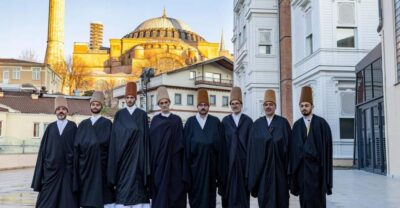
Istanbul Hodjapasha Whirling Dervishes Show & Exhibition
Read our review →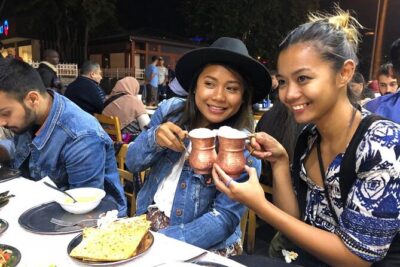
Istanbul Traditional Turkish Dinner and Dervish Experience
Read our review →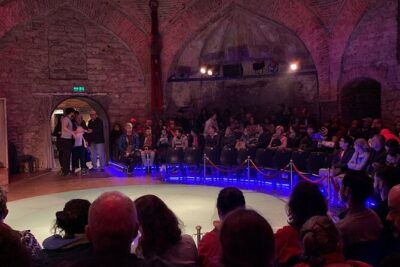
Whirling Dervish Ceremony: Go on a Spiritual Journey
Read our review →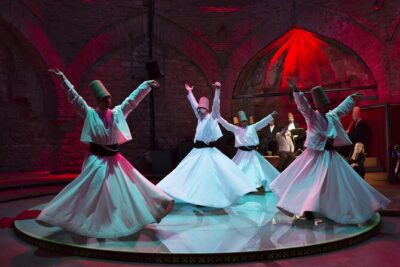
Istanbul Whirling Dervish Ceremony, A Mystical Sufi Experience
Read our review →Traditional Turkish Dinner and Dervish Experience
Read our review →Browse the lists this tour appears in