
Reviewed · WHIRLING DERVISH SHOWS
Whirling Dervish Ceremony: Go on a Spiritual Journey
The striking thing about this Istanbul experience is that it is a ceremony, not a theatrical dance show. At Hodjapasha Dance Theater, semazens perform the Mevleviye sema, an 800-year-old Sufi ritual, while musicians play Persian and classical Turkish music. The effect can be peaceful and moving, but the slow, repeated whirling will not suit everyone.
I like the historic Sirkeci setting, a former Turkish bath with an atmospheric performance hall. I also like the live orchestra, especially the flute, kettledrum, and cymbal that give the ritual a strong sense of place. The main caution is simple: one hour of measured spinning and prayer can feel monotonous if you expect a lively cultural show.
In This Review
- Key points to know before booking
- What the Whirling Dervish Ceremony really is
- Arriving at Hodjapasha in Sirkeci
- The first 15 minutes: music before the sema
- The 45-minute sema ceremony
- Why the old theater changes the experience
- Is $120.14 a fair price for one hour?
- How to plan the evening around it
- Who will enjoy this, and who may not
- Practical details before you reserve
- Should you book the Hodjapasha ceremony?
- FAQ
- How long does the Whirling Dervish Ceremony last?
- Where does the ceremony take place?
- What time does the ceremony start?
- Are photos and videos allowed?
- Is hotel pickup included?
- What is included in the ticket?
- Can I cancel for a full refund?
Key points to know before booking
- The sema lasts about 45 minutes, preceded by a 15-minute concert of traditional Turkish music.
- Hodjapasha Theater occupies a 15th-century building in Istanbul’s Sirkeci neighborhood.
- Photography and video are not allowed, helping preserve the quiet, ceremonial mood.
- This is a spiritual ritual, not a staged entertainment show, so silence and restraint are part of the experience.
- The $120.14 price is high for a one-hour event, though assigned seating and advance booking may add convenience.
- The 7:00 pm start and central location make it easy to pair with dinner in Sirkeci.
What the Whirling Dervish Ceremony really is
The sema belongs to the Mevlevi Sufi tradition, associated with spiritual devotion and the pursuit of divine love. The dervishes, also called semazens, whirl as part of a formal ritual. Their movement is not meant to tell a story in the usual dance-show sense, and there is no audience participation.
That distinction matters. If you want colorful costumes, quick choreography, regional folk dances, or a lively stage production, this probably is not the right pick. If you are curious about Sufism and can sit quietly while a ritual unfolds at its own pace, the experience may feel unusual and memorable.
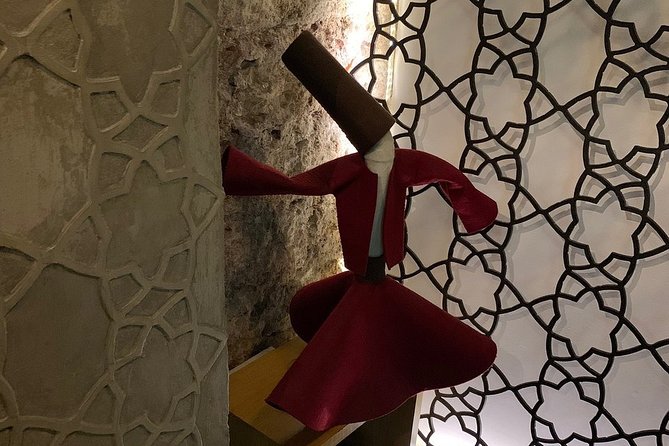
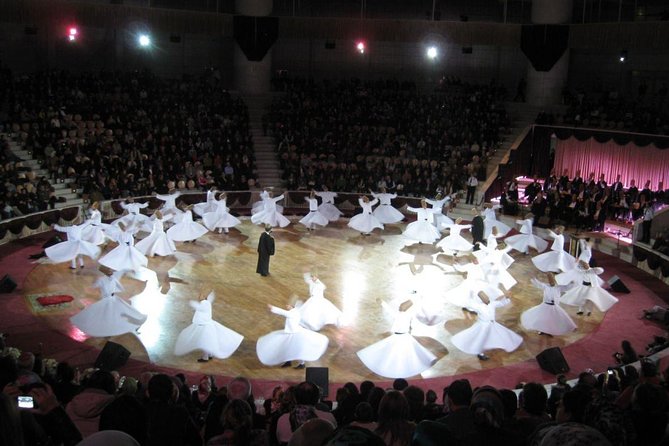
The ceremony’s central image is the white-clad dervish turning like a top. The movement looks simple from a distance, but it requires control, balance, and concentration. The performers move in a choreographed pattern, gliding and rotating while the music and prayers continue around them.
I would not treat this as a performance you simply watch and rate for excitement. It is better understood as a short introduction to a religious and cultural tradition. Some people find the repetition meditative. Others find it dull after the first few minutes. Both reactions are reasonable.
More whirling dervish ceremonies:
- Istanbul: Hodjapasha Whirling Dervishes Show & Exhibition
★ 4.4 · 4,790 reviews - Istanbul: Whirling Dervishes Ceremony and Mevlevi Sema
★ 4.3 · 1,694 reviews - Istanbul: Whirling Dervish Ceremony next to Hagia Sophia
★ 4.5 · 906 reviews
Arriving at Hodjapasha in Sirkeci
The venue is in Sirkeci, a central Istanbul neighborhood near public transportation and surrounded by restaurants. The area is convenient once you have found the theater, but finding the exact entrance can take effort. Several dervish venues operate in Istanbul, and taxi drivers may not recognize the cultural center immediately.
Use the full venue name, Hodjapasha Dance Theater, and allow extra time to locate the entrance. The performance begins at 7:00 pm. One attendee had trouble finding the site and lost about 30 minutes, while another found it easy to reach. That difference tells you what to do: do not arrive at the last minute.
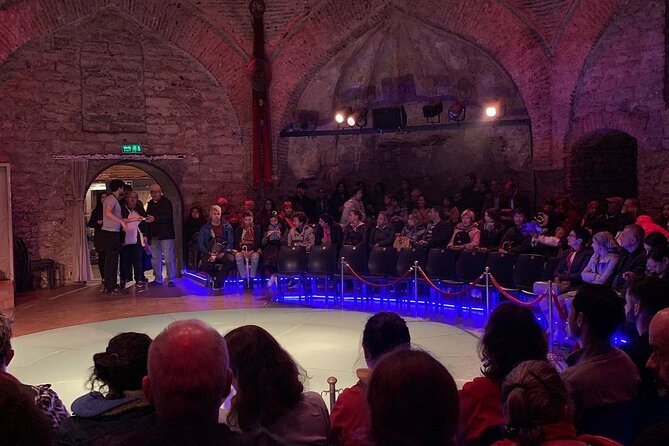
The building itself is part of the appeal. It was originally used as a Turkish bath and is now a cultural venue for ceremonial performances and traditional Turkish dance. The old structure gives the evening more character than a modern theater would. Even before the music begins, you are seeing a piece of Istanbul’s built heritage.
The seating is assigned, so you do not need to rush inside to claim a chair. Still, arriving early gives you time to get oriented and look around. The hall uses stadium-style seating, and one point worth noting is that the rows may not provide as much height between seats as some people would prefer.
The first 15 minutes: music before the sema
The evening begins with approximately 15 minutes of traditional Turkish music. This is not filler. It sets the mood and gives you time to adjust from the noise of Istanbul streets to the quieter world of the ceremony.
The orchestra includes instruments such as a kettledrum, flute, and cymbal. The live sound is one of the strongest parts of the program. The flute, in particular, brings a plaintive quality, while the percussion gives the music a measured pulse.
The music is connected to Persian and classical Turkish traditions, and the ceremony also includes Persian prayers and poetic songs. You may not understand the words, but the vocal and instrumental sound helps explain why the sema is more than a series of turns across a stage.
I like this opening because it gives you a cultural frame before the whirling begins. The weakness is that the program may not offer enough spoken explanation. Some people would appreciate a short introduction to Sufism, the symbolism of the clothing, and the meaning of the movements before the ceremony starts.
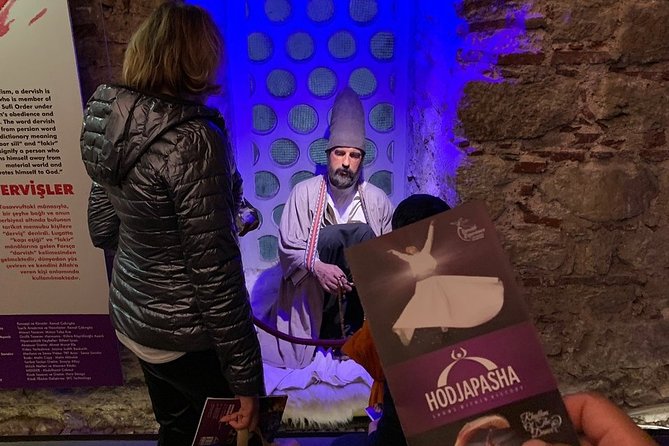
Information about the dance may be projected onto the walls, which can help. Still, the amount of explanation appears limited. If you want a stronger academic or historical introduction, read about the Mevlevi tradition before you arrive or visit the cultural center’s museum area if it is open.
The 45-minute sema ceremony
The main ceremony lasts about 45 minutes. A company of semazens enters and performs the Mevleviye sema in a formal, carefully controlled sequence. The white garments and repeated turns create a striking visual pattern, but the pace remains slow.
The ceremony asks you to watch rather than participate. Silence is expected, and photography and video are forbidden. Clapping is also not appropriate during the ritual. At first, the no-camera rule may seem disappointing, especially in a city where nearly every sight invites a photograph. Once the ceremony begins, though, the restriction makes sense. Phones would break the mood and turn a devotional act into a photo opportunity.
I appreciate being asked to put the camera away. You can focus on the music, the turning figures, and the calm atmosphere. The downside is that the rule should be clear before you pay, especially if recording a cultural event is important to you.
The dervishes do not perform a series of increasingly difficult tricks. The repeated whirl is the point. Their motion represents a spiritual journey, and the steady turning is intended to suggest devotion and connection with God. You will get more from the ceremony if you allow yourself to observe the rhythm instead of waiting for a dramatic finale.
This is also why reactions vary so sharply. One person may find the ritual peaceful, emotional, and almost otherworldly. Another may see the same hour as one movement repeated for too long. I would describe the ceremony as meditative rather than entertaining.
Two continents, plenty of other ways to spend a day:
- Istanbul: Bosphorus Dinner Cruise & Show with Private Table
★ 4.8 · 44,561 reviews - Istanbul: Daytime or Sunset Sightseeing Cruise & Audio Guide
★ 4.8 · 14,430 reviews - Istanbul: Bosphorus Dinner Cruise with Turkish Night Show
★ 4.8 · 10,127 reviews - Best of Istanbul 1, 2 or 3-Day Private Guided Istanbul Tour
★ 5.0 · 8,922 reviews
Why the old theater changes the experience
A whirling dervish ceremony in an ordinary hall could feel detached from its setting. At Hodjapasha, the old bathhouse architecture gives the performance a stronger connection to Istanbul’s past. The venue has been adapted for modern visitors, but the building still supplies a sense of age and place.
The theater is modern enough to host organized performances, assigned seating, and a regular evening schedule. At the same time, its former use as a Turkish bath makes the walls and space feel different from a purpose-built concert hall.
That balance works well. You receive a structured one-hour program in a central venue, but the ceremony does not feel entirely removed from the city’s older traditions. The setting is especially valuable if you are building an Istanbul evening around history, music, and religious culture rather than nightlife.
The hall may feel warm, and some audience members have found the seating less comfortable than ideal. These are small practical matters, but they matter during a quiet performance. You are sitting in one place for the full program, and the lack of movement makes temperature and seat design more noticeable.
Is $120.14 a fair price for one hour?
At $120.14 per person, this is an expensive one-hour cultural experience. The ticket covers the Whirling Dervishes Ceremony and the Sufi music concert. It does not include hotel pickup, hotel drop-off, drinks, or snacks.
The price makes the most sense if you value advance planning, a central venue, and assigned seating. The event often sells well in advance, with bookings made around 51 days before the date on average. That suggests planning ahead can matter during a busy Istanbul visit.
The value is less convincing if you judge the event strictly by minutes of entertainment. One hour is short compared with many evening performances, and some people find the repeated movement too slow for the cost. One attendee also felt the price through a booking platform was higher than the theater’s face-value price, though the online ticket offered convenience and a seat near the front and center.
I would compare the available price with the venue’s direct rate before committing, if that option is practical. Also ask yourself what you are paying for. You are not buying a broad stage spectacle. You are paying for access to a formal Sufi ceremony in a historic setting, with live music and a fixed evening schedule.
Drinks and Turkish delight may be available to purchase before or after the ceremony, but do not count on a full bar. One account found only bottled water available. If refreshments are part of your plan, treat them as a possible extra rather than a guaranteed feature.
How to plan the evening around it
The 7:00 pm start works well as part of a Sirkeci evening. You can arrive early, find the theater, and have dinner nearby afterward. The neighborhood has plenty of restaurants, so you do not need to build your plans around a meal inside the venue.
Because the ceremony requires quiet attention, I would avoid scheduling another major attraction immediately before it. Give yourself time to get to Sirkeci without rushing. The performance may begin slightly later than the advertised time, so leave some flexibility afterward as well.
The one-hour length is convenient. It is short enough to fit into a busy Istanbul schedule and does not consume an entire evening. For many people, that is a strength. For someone hoping for a full cultural production, the short format can make the high price harder to justify.
The building can be confusing to locate, especially if you are following a taxi driver’s directions. Keep the exact name and address available, and do not assume every driver will know which dervish venue you mean.
Who will enjoy this, and who may not
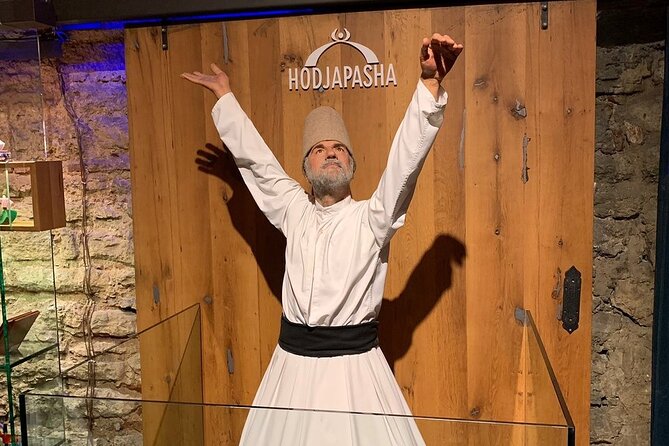
I would recommend the ceremony to you if you have a genuine interest in Sufi spirituality, religious traditions, or the quieter side of Turkish culture. It is also a good choice if you want to see something that does not feel like a standard tourist dance show.
The experience suits adults and children age seven or older who can sit quietly. The minimum age is seven, and most people can participate without special physical requirements. Younger children may struggle with the silence and repetition, even if they are old enough to enter.
You may enjoy it if:
- You like traditional music and ritual.
- You are comfortable with a slow pace.
- You want historical context during your Istanbul visit.
- You prefer observing rather than joining in.
- You can accept leaving your camera and phone unused.
You may want to skip it if:
- You need constant action or changing choreography.
- You expect audience interaction.
- You want a narrated presentation with extensive background.
- You dislike sitting quietly for nearly an hour.
- The price feels too high for a single ceremony.
The strongest praise centers on the feeling of peace, the live music, the authenticity of the ritual, and the old building. The sharpest criticism concerns repetition, limited explanation, unclear directions, and value for money. Those are not minor details. They should guide your decision.
Practical details before you reserve
Confirmation is provided at booking, and the ticket is mobile, which is useful when you are moving around Istanbul. The experience is near public transportation, but the exact venue can be difficult to identify, so save the address and venue name before leaving your hotel.
Photography is not allowed. This includes the sort of casual phone recording many people make at performances. Plan to remember the experience rather than document it.
The ceremony includes the SEMA and the Sufi music concert. Hotel transportation is not included, and refreshments are an additional cost if available. Most people can take part, and the minimum age is seven.
Free cancellation is available if you cancel at least 24 hours before the local start time. Cancellations or changes made within 24 hours are not accepted for a refund.
Should you book the Hodjapasha ceremony?
Book it if you want a quiet, authentic look at Sufi ritual and understand that the whirling is symbolic, disciplined, and repetitive. The historic former bathhouse, live orchestra, Persian prayers, and strict no-photo policy create an experience unlike a typical Istanbul stage show.
Skip it if you are mainly seeking entertainment or if $120.14 feels steep for 60 minutes. You might be happier with a broader Turkish dance performance that offers more variety.
My advice is to read the description carefully, confirm the location, compare the price if a direct ticket is available, and arrive early. With the right expectations, the ceremony can add real cultural depth to your Istanbul visit. With the wrong ones, it can feel like an expensive hour of spinning.
FAQ
How long does the Whirling Dervish Ceremony last?
The experience lasts approximately one hour. It begins with about 15 minutes of traditional Turkish music, followed by roughly 45 minutes of the Mevleviye sema ceremony.
Where does the ceremony take place?
It takes place at Hodjapasha Dance Theater in Istanbul’s Sirkeci neighborhood. The venue occupies a historic building originally used as Turkish baths.
What time does the ceremony start?
The scheduled start time is 7:00 pm.
Are photos and videos allowed?
No. Photography and video are not allowed during the ceremony.
Is hotel pickup included?
No. Hotel pickup and drop-off are not included. The venue is near public transportation.
What is included in the ticket?
The ticket includes the Whirling Dervishes Ceremony, also called SEMA, and a Sufi music concert.
Can I cancel for a full refund?
Yes, if you cancel at least 24 hours before the experience start time. Cancellations or changes made less than 24 hours before the start are not accepted for a refund.
Latest additions around Istanbul
- Istanbul: Hagia Sophia Skip-the-Line Ticket with Live Guide★ 3.7 · 3 reviews
- Ephesus Private Tour From Istanbul including transfers & domestic fights★ 5.0 · 3 reviews
- 6 Days Multi City Turkey Tour★ 5.0 · 3 reviews
- Princess Islands Daily Tour from Istanbul★ 5.0 · 3 reviews
- Premium Line : Private Istanbul Tour : All Inclusive Package★ 4.3 · 3 reviews
- Private Istanbul Combo Tour – Classic Old City and Bosphorus Cruise★ 5.0 · 3 reviews
- Private tour: 12-Day Turkish Adventure Package Tour From Istanbul★ 4.5 · 3 reviews
- Istanbul: Hagia Sophia Guided Tour with Optional Ticket★ 3.3 · 3 reviews
Whirling Dervish Shows, compared.
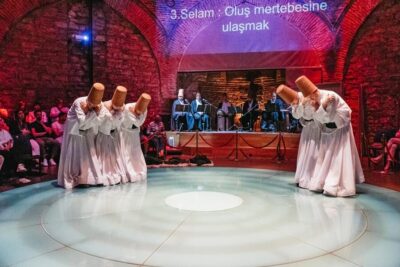
Hodjapasha Whirling Dervishes Show & Exhibition
Read our review →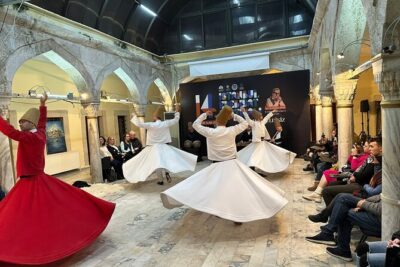
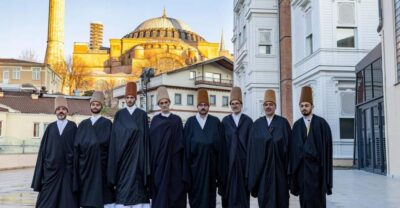
Istanbul Hodjapasha Whirling Dervishes Show & Exhibition
Read our review →
Istanbul Traditional Turkish Dinner and Dervish Experience
Read our review →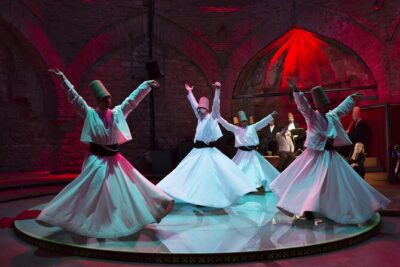
Istanbul Whirling Dervish Ceremony, A Mystical Sufi Experience
Read our review →Traditional Turkish Dinner and Dervish Experience
Read our review →Browse the lists this tour appears in