

Reviewed · MUSEUMS
Turkish and Islamic Arts Museum: Entry Ticket & Audio Guide
The museum’s greatest pleasure is its setting: Ibrahim Pasha Palace, a 16th-century building facing Sultanahmet Square, holds one of Istanbul’s finest collections of Islamic art. Inside, you move from Seljuk carpets to Ottoman manuscripts, ceramics, metalwork, and religious relics without leaving the old city center.
I like the 25-language audio guide, especially if you want context without joining a group. I also like the QR entry, which can save time at the ticket window. The main catch is practical: you must still pass through security, and same-day buyers may have trouble opening the audio guide, particularly on an Apple device without a reliable connection.
In This Review
- Key points to know before you go
- Why Ibrahim Pasha Palace makes the visit special
- Getting inside with the QR ticket
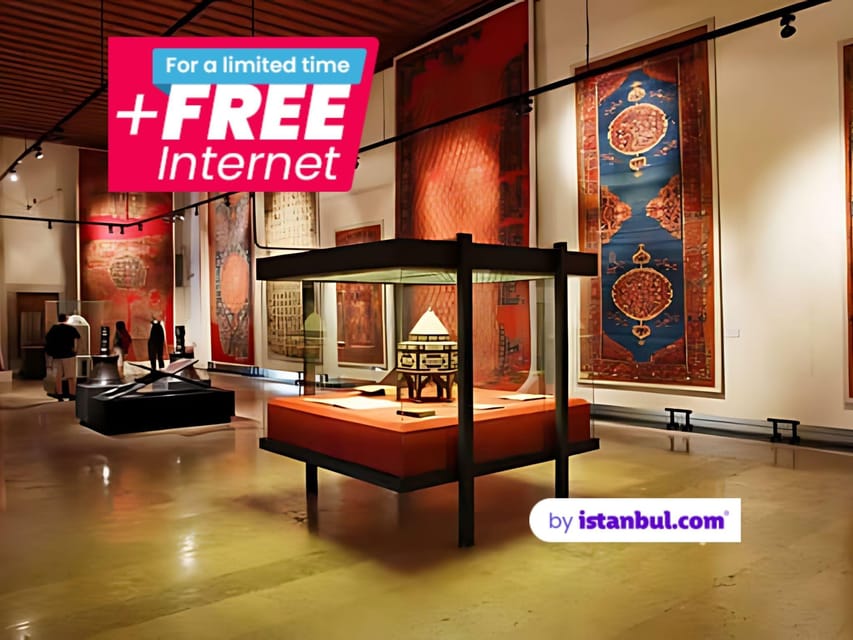
- The carpet galleries deserve your first attention
- Manuscripts, calligraphy, and the power of the written word
- Ceramics, glasswork, metalwork, and wooden relics
- Religious relics and a more personal connection
- Using the audio guide without losing your independence
- Price, timing, and overall value
- Who will get the most from this museum
- Practical advice for a smoother visit
- Should you book the Turkish and Islamic Arts Museum?
- FAQ
- Where is the Turkish and Islamic Arts Museum located?
- How do I reach the museum by public transportation?
- Is a guided tour included?
- How many languages are available for the audio guide?
- Can I skip the security line?
- How will I receive the ticket and audio guide?
- How long is the ticket valid?
- Can I cancel the booking?
Key points to know before you go
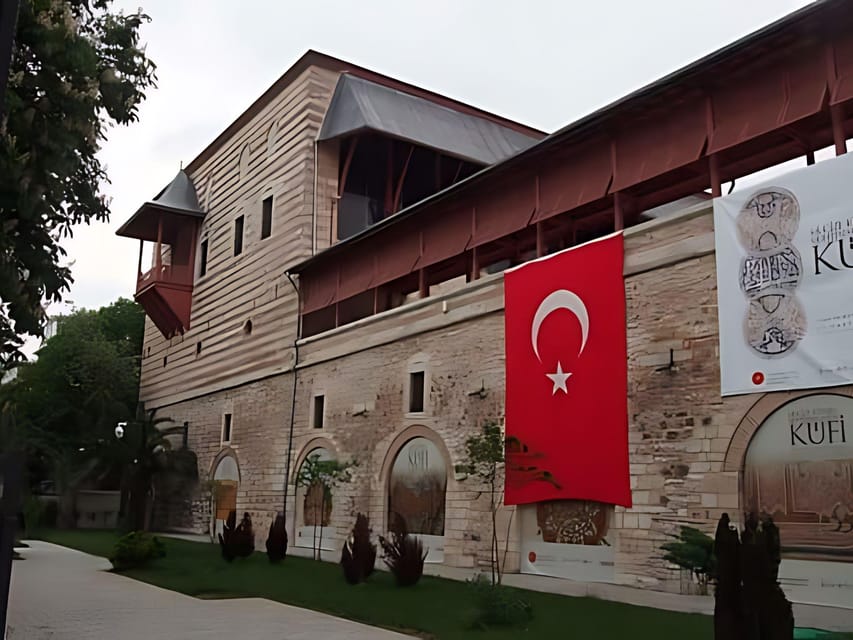
- 16th-century palace setting: The museum occupies Ibrahim Pasha Palace beside the Blue Mosque.
- Carpets are the star: See Seljuk and Ottoman examples with detailed patterns and careful workmanship.
- Audio guide in 25 languages: Choices include English, Turkish, Arabic, French, Spanish, Chinese, Japanese, Urdu, and more.
- QR entry saves ticket-counter time: It does not let you bypass the required security check.
- Religious artifacts add weight: The collection includes fragments of the Prophet Muhammad’s beard and a footprint.
- Best for an independent visit: You explore at your own pace, since a live guided tour is not included.
Why Ibrahim Pasha Palace makes the visit special
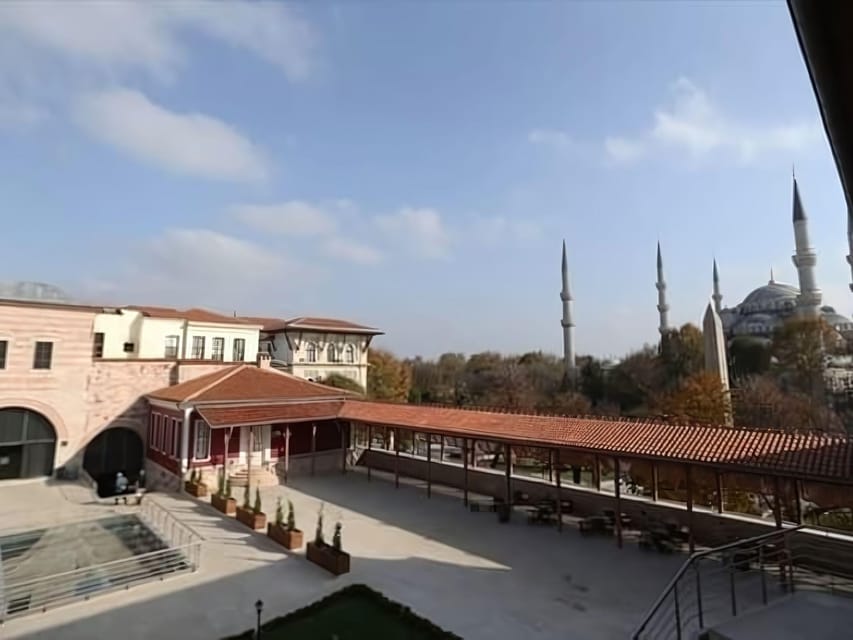
Many museums ask you to admire objects in a modern box. This one gives you a historic building as part of the experience. Ibrahim Pasha Palace sits directly in Sultanahmet Square, close to the Blue Mosque, so you can pair the visit with Istanbul’s most famous old-city sights without making a separate cross-town trip.
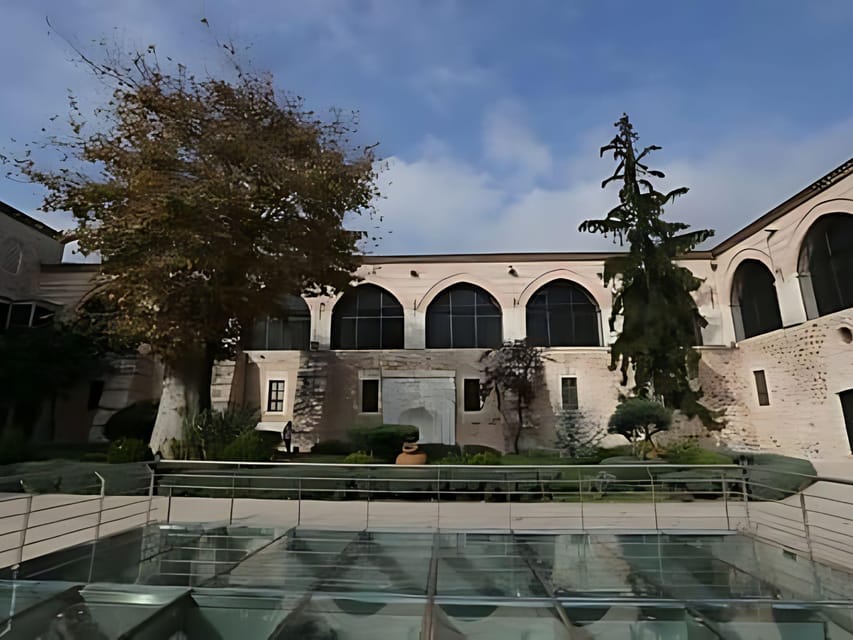
The palace is associated with Ibrahim Pasha, a leading Ottoman figure during the 16th century. Here, the building matters as much as the collection. Courtyards, rooms, and stone details help you picture how Ottoman power and fine craftsmanship came together.
I find this setting useful for pacing. The museum is not just a fast stop between the Blue Mosque and Hagia Sophia. You can slow down and give each gallery the attention it deserves. The one-day validity also leaves your schedule open. You do not need to rush through the rooms at a fixed starting time.
The location is easy to reach. Take the Kabatas to Bagcilar tram and get off at Sultanahmet station. From there, the museum is about a five-minute walk. If you are coming from Istanbul’s Asian side, ferries from Kadikoy or Uskudar go to Eminonu, where you can connect with the tram.
More museums and sites in Istanbul:
- Istanbul: Hagia Sophia Skip-the-Line Ticket & Museum Option
★ 3.7 · 4,958 reviews - Istanbul: Hodjapasha Whirling Dervishes Show & Exhibition
★ 4.4 · 4,790 reviews - Istanbul: Topkapi Palace & Harem Museum Ticket & Audio Guide
★ 4.1 · 3,977 reviews
Getting inside with the QR ticket
The entry system is simple, but you need to understand what skip-the-line means here. You receive two separate emails from Istanbul Tourist Pass: one with the entry ticket QR codes and another with the audio guide link.
Keep both messages ready before you reach the entrance. The QR ticket can help you avoid the regular ticket line, but it does not remove the security queue. Every visitor must pass security, and there may still be a line at the entrance.
That distinction matters in Sultanahmet, where popular sights can be busy. I would not plan this as a visit you can complete in a precise twenty-minute gap. Give yourself enough time for the security check, finding the entrance, and opening the guide.
A same-day booking requires extra care. One booking user found that Apple security blocked the audio guide download, and the workaround took time. By the time the issue was solved, there was no Wi-Fi inside the museum. My practical advice is to book ahead, open the audio guide link before leaving your hotel, and make sure the content works on your phone.
The carpet galleries deserve your first attention
If you have limited time, begin with the carpets. They are the collection’s visual centerpiece, and they show why Islamic textile art deserves more than a quick glance.
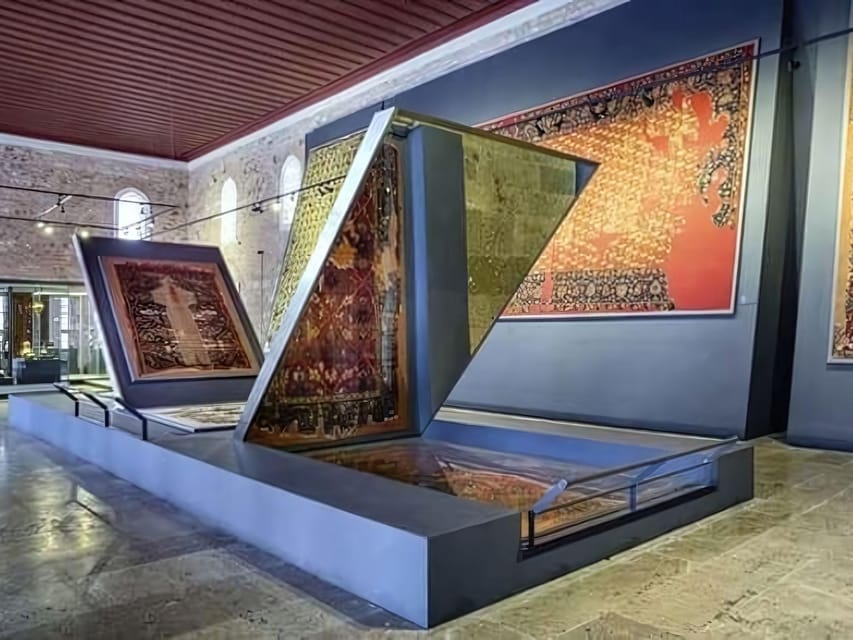
The museum presents carpets from different periods, including Seljuk designs and Ottoman examples. Look beyond the broad colors and repeated patterns. The appeal is in the small details: the precision of the motifs, the balance of the design, and the skill needed to produce a large textile by hand.
The carpets also help you understand the connections between art and daily life. These were not simply wall decorations made to fill a gallery. Textiles had practical, social, and religious roles, and their patterns carried the taste of the period and region in which they were made.
The audio guide can be useful here because a carpet may look familiar at first glance. A few details about design or period can turn it from a pretty object into a record of technique and trade. Since the guide is available in 25 languages, you can choose the language that lets you concentrate rather than translate in your head.
Do not expect every item to deliver the same visual impact. Some carpets may appeal most to specialists or serious collectors. Give yourself permission to appreciate the overall room, then use the audio guide selectively for pieces that catch your eye.
Manuscripts, calligraphy, and the power of the written word
The museum’s manuscript and calligraphy sections offer a different mood from the carpet rooms. Here, the art is smaller and more deliberate. Fine writing, page layout, and decoration carry the main visual force.
Islamic calligraphy developed as both communication and art. The careful shaping of letters reflects patience, training, and respect for the written word. Manuscripts also preserve evidence of how ideas, religious texts, and artistic methods moved across Islamic societies over time.
You will need to slow down. Manuscripts are easy to skim because they do not shout for attention from across a room. Look at the lettering, borders, and ornament around the text. The audio guide is particularly helpful if you want to understand why the writing itself matters, not just what the page says.
The collection reaches across centuries and regions, so the museum gives you a broad view rather than a single artist’s story. That breadth is a strength for a first visit. It lets you see how Islamic art changed across time while keeping recurring ideas, such as geometric order and careful craftsmanship, in view.
A few more Istanbul experiences to weigh up
- Istanbul: Daytime or Sunset Sightseeing Cruise & Audio Guide
★ 4.8 · 14,430 reviews - Istanbul: Basilica Cistern Fast-Track Entry and Audio Guide
★ 4.6 · 7,521 reviews - Istanbul: Bosphorus Sightseeing Cruise Tour with Audio Guide
★ 4.6 · 2,694 reviews - Istanbul: Hagia Sophia Skip-the-Line Ticket and Audio Guide
★ 4.3 · 2,246 reviews
Ceramics, glasswork, metalwork, and wooden relics
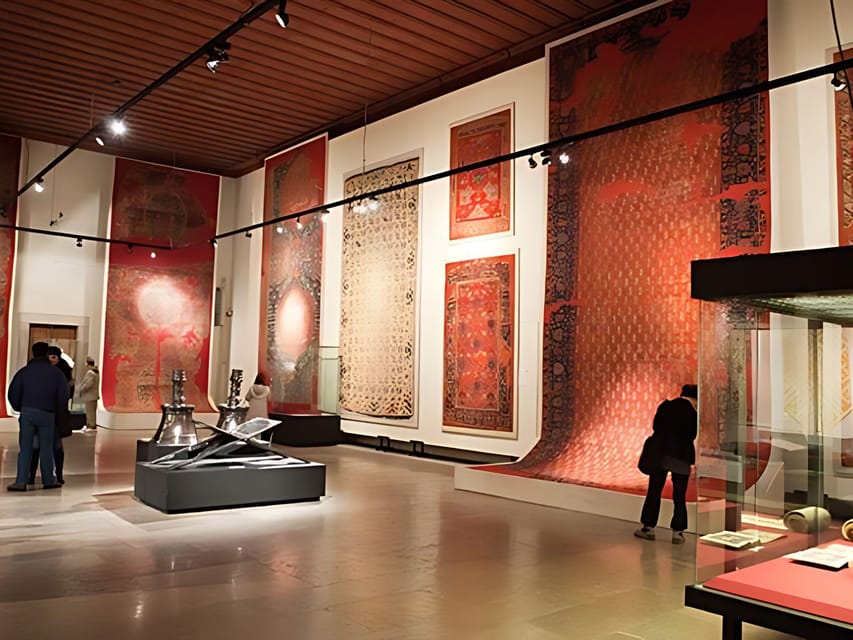
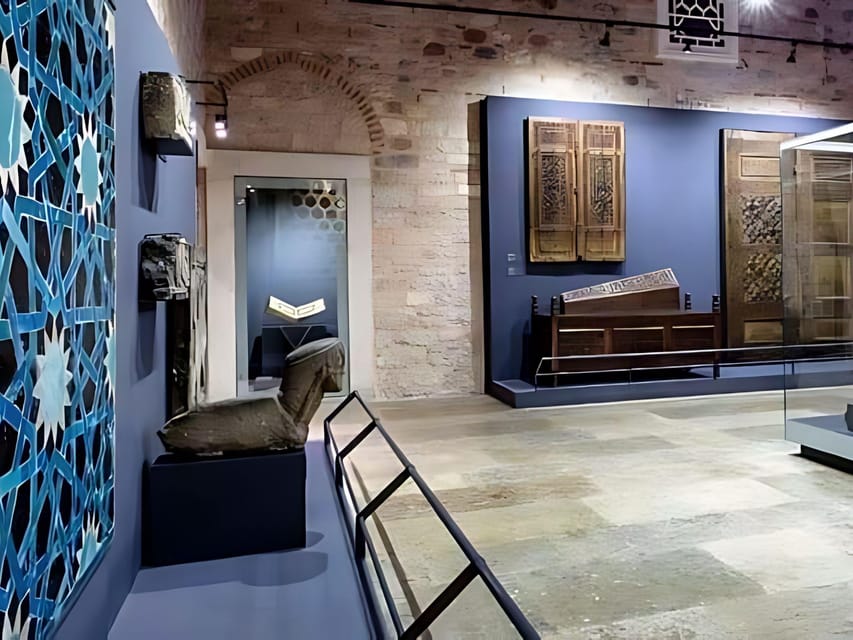
After the textiles and manuscripts, the collection widens into objects made for use, ceremony, and display. Ceramics, glasswork, and metalwork show the range of materials Islamic artisans worked with.
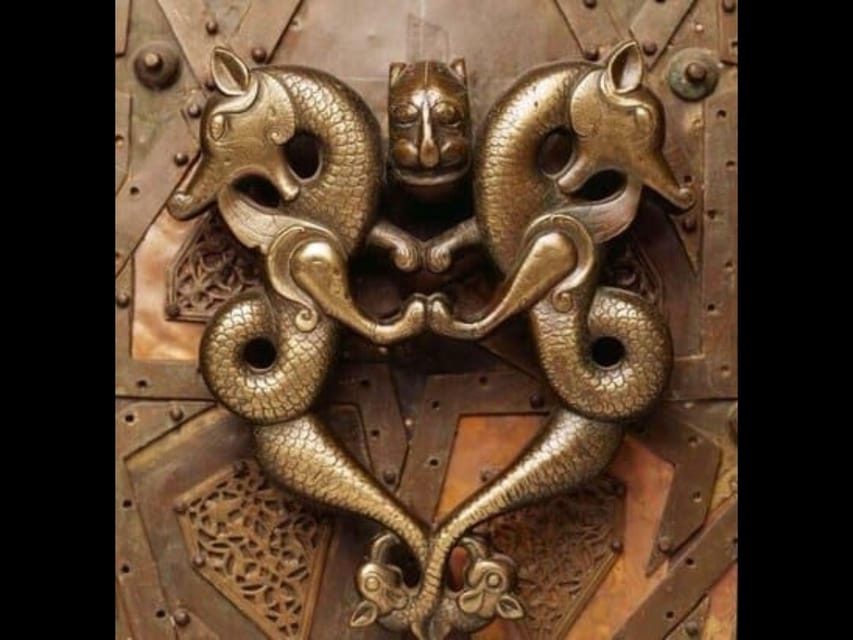
Ceramics reward close viewing. Surface decoration, shape, and repeated motifs reveal how an object can serve a practical purpose while still carrying artistic detail. Glasswork brings another set of challenges, with form and material doing much of the work. Metal objects can feel more solid and formal, while carved wooden pieces show the patience required to build a design into a hard surface.
The wooden relics are worth noting because they add texture to a collection often associated with carpets and calligraphy. They remind you that Islamic art is not one style or material. It includes objects made for many settings, from religious spaces to homes and courts.
I would not approach this museum expecting one fixed route or a show built around a single masterpiece. Its value comes from the range. You see how different techniques express the same broad cultural world, and you can decide which materials hold your attention longest.
Religious relics and a more personal connection
The museum also contains religious relics, including fragments of the Prophet Muhammad’s beard and a footprint. These objects carry major religious and historical importance for many visitors, so approach this section with care and respect.
You may respond to these displays differently depending on your background. Some people come primarily for art and architecture, while others find the relics to be the most meaningful part of the visit. The museum gives both interests room, but the atmosphere here can feel more personal than in the decorative arts galleries.
The audio guide can provide useful context, but it cannot replace your own judgment about how long to stay. You do not need to hurry past the section, and you do not need to linger if your main interest is material culture. The museum works well because you control the pace.
Using the audio guide without losing your independence
A live guide is not included, so this experience suits you if you prefer to set your own rhythm. You can stop for a full explanation, skip an object, or return to a room without holding up a group.
The audio guide is offered in English, German, Russian, Persian, Arabic, French, Italian, Chinese, Dutch, Spanish, Hindi, Romanian, Ukrainian, Korean, Turkish, Bulgarian, Polish, Swedish, Japanese, Indonesian, Greek, Hungarian, Portuguese, Urdu, and Croatian. That is a strong choice of languages for a museum visit, particularly if you want explanations in a language other than English.
The guide is a useful middle ground. You receive more background than a bare label provides, but you are not tied to a guide’s schedule. I would use it in short bursts rather than playing every track automatically. Start with the objects you find most striking, then decide how much extra detail you want.
Technical preparation matters. Because the entry QR codes and audio link arrive in separate emails, check your inbox before you leave. Download or open the guide in advance if possible. Do not assume that museum Wi-Fi will solve a phone problem once you are inside.
Price, timing, and overall value
At $28 per person, the ticket is not the cheapest cultural stop in Istanbul. Its value depends on how you use it. If you are interested in carpets, Islamic manuscripts, Ottoman art, or religious objects, the combination of the collection, palace setting, QR entry, and multilingual audio guide makes the price easier to justify.
If you only have time for a very quick look at decorative objects, the cost may feel less attractive. This is a museum that rewards attention. You are paying less for a fast photo opportunity and more for access to a substantial collection in a central historic building.
The ticket is valid for one day, and you can check available starting times when booking. That flexibility fits a Sultanahmet sightseeing day, where queues and prayer times can affect your schedule. You can plan the museum around the Blue Mosque and nearby sights instead of crossing Istanbul for a separate appointment.
Transportation is not included, so budget separately for the tram or ferry connection. Still, the museum’s central location keeps the transport question simple. The Sultanahmet tram stop is close, and the final walk is short.
Free cancellation is available up to 24 hours in advance for a full refund, and you can reserve now and pay later. Those terms help if your Istanbul plans are still shifting, though the important point remains the same: prepare the audio guide before the visit.
Who will get the most from this museum
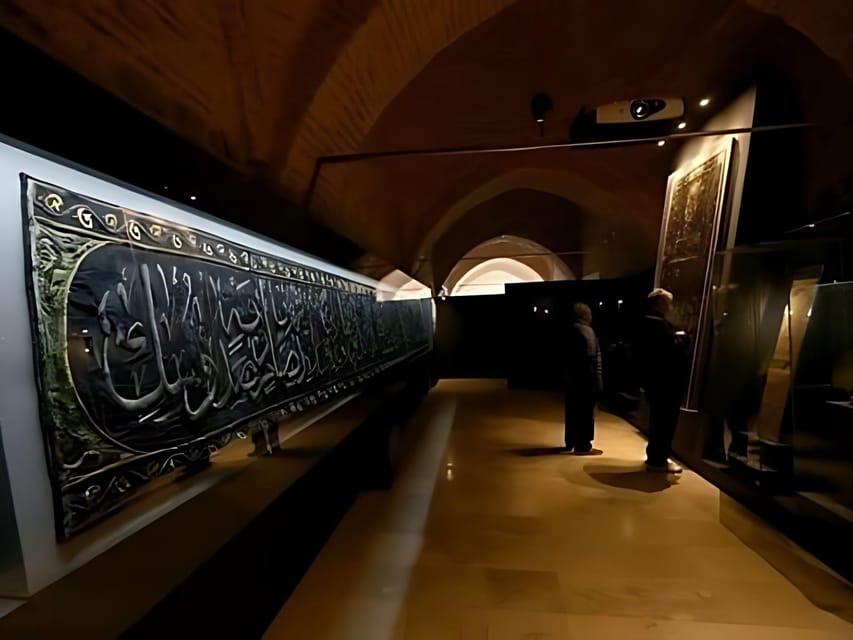
I would recommend this experience to you if you like museums that connect objects to wider cultural traditions. It is especially suitable for:
- Art lovers focused on carpets, calligraphy, ceramics, and metalwork
- History fans interested in Ottoman and Islamic material culture
- Independent visitors who do not want a fixed group tour
- Families or mixed-interest groups who need flexibility
- Visitors who want a cultural stop close to the Blue Mosque
- Anyone needing an audio guide in one of the 25 available languages
You may want a different option if you want a live expert explaining every room. Guided tours are not included. You may also be disappointed if you expect to skip every line, since security is mandatory and may be busy.
The collection is broad, so your experience will depend on your interests. Someone who loves carpets may spend far longer here than someone focused on architecture. That is not a weakness, but it is worth knowing before you buy.
Practical advice for a smoother visit
Have the QR codes and audio link open before you arrive. Since they come in separate emails, search your inbox in advance rather than trying to sort them out at the entrance.
Use the tram if you are already in the European side of Istanbul. From Sultanahmet station, allow about five minutes to walk to the museum. From the Asian side, take a ferry to Eminonu and connect to the Kabatas to Bagcilar tram.
Plan around security, not just the ticket line. Skip-the-line entry may save you from waiting at the ticket counter, but every visitor still goes through security.
Give the carpets a proper look, then choose a few manuscript, ceramic, metal, glass, or wooden pieces for closer study. You do not need to listen to every audio stop to get value from the guide.
Should you book the Turkish and Islamic Arts Museum?
Book it if you want a self-guided cultural visit with a strong carpet collection, a historic Ottoman setting, and easy access from Sultanahmet Square. The audio guide in 25 languages is the main convenience, while the QR ticket helps reduce ticket-counter time.
I would skip it only if your Istanbul schedule is extremely tight or you specifically want a live guide. For most visitors with an interest in Islamic art, the $28 price is reasonable when you allow enough time to explore and prepare the audio guide before arriving.
FAQ
Where is the Turkish and Islamic Arts Museum located?
The museum is in Ibrahim Pasha Palace on Sultanahmet Square in Istanbul’s Fatih district, very close to the Blue Mosque.
How do I reach the museum by public transportation?
Take the Kabatas to Bagcilar tram and get off at Sultanahmet station. The museum is about a five-minute walk from the station. From Istanbul’s Asian side, you can take a ferry from Kadikoy or Uskudar to Eminonu and then connect with the tram.
Is a guided tour included?
No. A live guided tour is not included. The ticket includes an audio guide instead.
How many languages are available for the audio guide?
The audio guide is available in 25 languages: English, German, Russian, Persian, Arabic, French, Italian, Chinese, Dutch, Spanish, Hindi, Romanian, Ukrainian, Korean, Turkish, Bulgarian, Polish, Swedish, Japanese, Indonesian, Greek, Hungarian, Portuguese, Urdu, and Croatian.
Can I skip the security line?
No. The QR ticket can help you skip the ticket line, but security checks are mandatory for all visitors and a line may be present.
How will I receive the ticket and audio guide?
You will receive the entry ticket QR codes and the audio guide link in separate emails from Istanbul Tourist Pass.
How long is the ticket valid?
The activity is valid for one day. You should check availability for the available starting times when booking.
Can I cancel the booking?
Yes. You can cancel up to 24 hours in advance for a full refund. Reserve-now, pay-later booking is also available.
More Audio Tours in Istanbul
- Istanbul: Hagia Sophia Skip-the-Line Ticket with Audio Tour
★ 4.4 · 1,767 reviews - Istanbul: Bosphorus Cruise w/Audio Guide and Sunset Option
★ 3.9 · 1,758 reviews - Istanbul: Basilica Cistern Skip-the-Line Entry & Audio Guide
★ 4.6 · 1,477 reviews - Istanbul: Hagia Sophia Skip-the-Ticket Line & Audio Guide
★ 4.3 · 1,469 reviews
Latest additions around Istanbul
- Istanbul: Hagia Sophia Skip-the-Line Ticket with Live Guide★ 3.7 · 3 reviews
- Ephesus Private Tour From Istanbul including transfers & domestic fights★ 5.0 · 3 reviews
- 6 Days Multi City Turkey Tour★ 5.0 · 3 reviews
- Princess Islands Daily Tour from Istanbul★ 5.0 · 3 reviews
- Premium Line : Private Istanbul Tour : All Inclusive Package★ 4.3 · 3 reviews
- Private Istanbul Combo Tour – Classic Old City and Bosphorus Cruise★ 5.0 · 3 reviews
- Private tour: 12-Day Turkish Adventure Package Tour From Istanbul★ 4.5 · 3 reviews
- Istanbul: Hagia Sophia Guided Tour with Optional Ticket★ 3.3 · 3 reviews
Museums, compared.
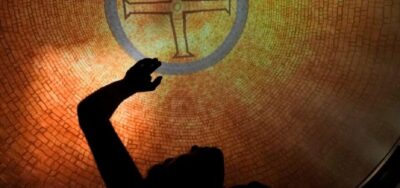
Hagia Sophia Skip-the-Line Ticket & Museum Option
Read our review →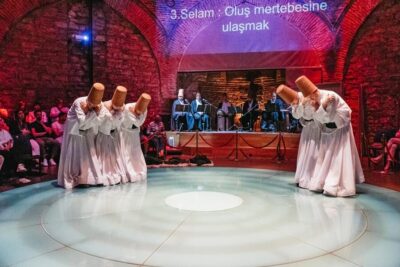
Hodjapasha Whirling Dervishes Show & Exhibition
Read our review →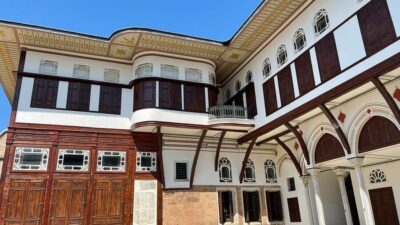
Topkapi Palace & Harem Museum Ticket & Audio Guide
Read our review →Istanbul Hodjapasha Whirling Dervishes Show & Exhibition
Read our review →
Topkapi Palace and Harem Museum Tour with Ticket
Read our review →
Hagia Sophia Mosque and Museum Skip-The-Line Combo
Read our review →

Istanbul Archaeological Museums Entry Ticket & Audio Guide
Read our review →Browse the lists this tour appears in