
Reviewed · TURKISH COFFEE & FORTUNE TELLING
Turkish Coffee and Traditional Turkish Dessert Cooking
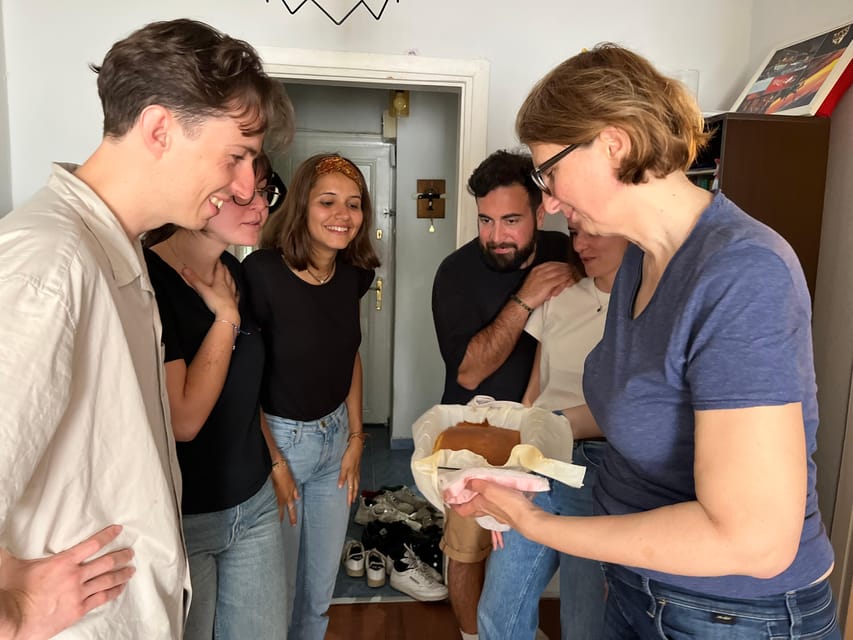
The best part of this Istanbul experience is not simply the dessert. It is the invitation into a local home, where Nuran and, depending on the class, her sister-in-law Feyza guide you through Turkish sweets and coffee. You cook with your hands, sit at the family table, and get a small look at everyday hospitality beyond the usual tourist route.
I like the small group of up to six, which gives you room to ask questions and take part instead of watching from the back. I also like the practical recipes. One class made flour halva and semolina cookies, both using ingredients easy to find in the United States. The main consideration is that the exact desserts may vary, so you should not assume you will make only künefe.
In This Review
- Key points
- Why this Istanbul cooking class feels different
- Arriving at the Kağıthane home
- Starting with tea, coffee, and introductions
- Making künefe over the flame
- Learning that the dessert menu can change
- Brewing Turkish coffee slowly
- Sitting down to eat what you made
- The value of $59 for 2.5 hours
- Who should book this experience
- What to know before you reserve
- Should you book Turkish Coffee and Traditional Turkish Dessert Cooking?
- FAQ
- Where does the Turkish dessert cooking class take place?
- How long does the experience last?
- How many people can join the class?
- Who teaches the class?
- Which desserts will I make?
- Is Turkish coffee included?
- Does künefe contain allergens?
- Can I cancel the booking?
- Can I reserve without paying immediately?
Key points
- Cook in a real family home: The class takes place at Nuran’s home in Kağıthane, not in a formal cooking school.
- Make two or three Turkish desserts: Künefe is featured, while other sessions have included flour halva and semolina cookies.
- Learn Turkish coffee the old-fashioned way: Brew a slow, frothy cup and hear why coffee matters in Turkish life.
- Expect personal instruction: Nuran hosts, while Feyza may teach the dessert preparation.
- Plan for a relaxed two-and-a-half hours: Cooking, coffee, tea, dessert, and conversation all share the time.
- Check allergy needs before booking: Künefe contains dairy and gluten.
Why this Istanbul cooking class feels different
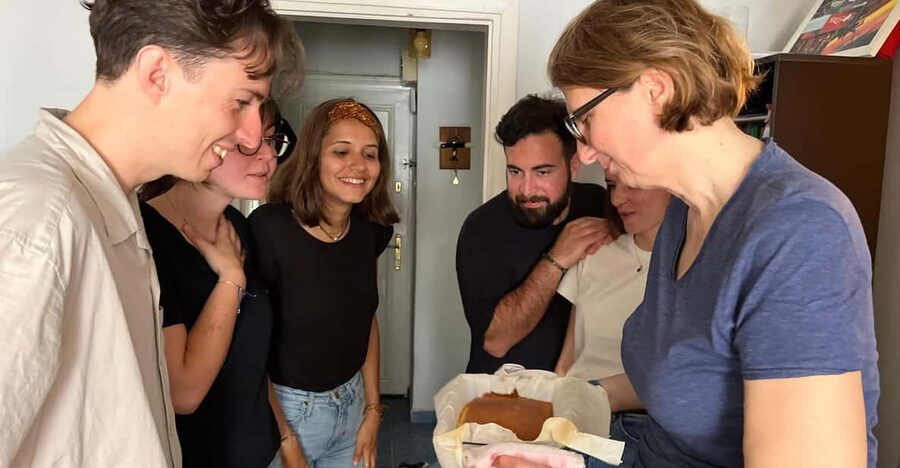
Istanbul has no shortage of food tours, restaurant tastings, and polished cooking schools. This experience takes a quieter path. You visit a local home in the Marmara Region, in Istanbul’s Kağıthane district, and spend the afternoon or evening around a stove and table.
That setting matters. You are not just learning a recipe. You are seeing how food, conversation, and hospitality fit together in a Turkish household. The tone is informal, and the class is limited to six people. If you enjoy meeting locals and prefer a personal exchange to a large group with a microphone, this format makes good sense.
The host is Nuran, and Feyza, her sister-in-law, may lead the dessert cooking. The family connection is part of the appeal. One participant even met Nuran’s cousin and nephew when they stopped by and shared dessert. That sort of moment cannot be scheduled, and it gives the class a more natural feel than a staged demonstration.
Still, you should set your expectations correctly. This is not a grand tour of Turkish cuisine, and it is not built around a long list of dishes. The heart of the experience is a few sweets, coffee or tea, and conversation. The reward is the setting and the human contact.
More Turkish coffee experiences:
- Istanbul: Turkish Coffee Making and Fortune Telling Workshop
★ 4.9 · 1,308 reviews - Istanbul: Turkish Coffee Making and Fortune Telling Workshop
★ 4.9 · 451 reviews - Turkish Coffee on Sand Workshop: Fortune Telling & Gift Set
★ 5.0 · 309 reviews
Arriving at the Kağıthane home
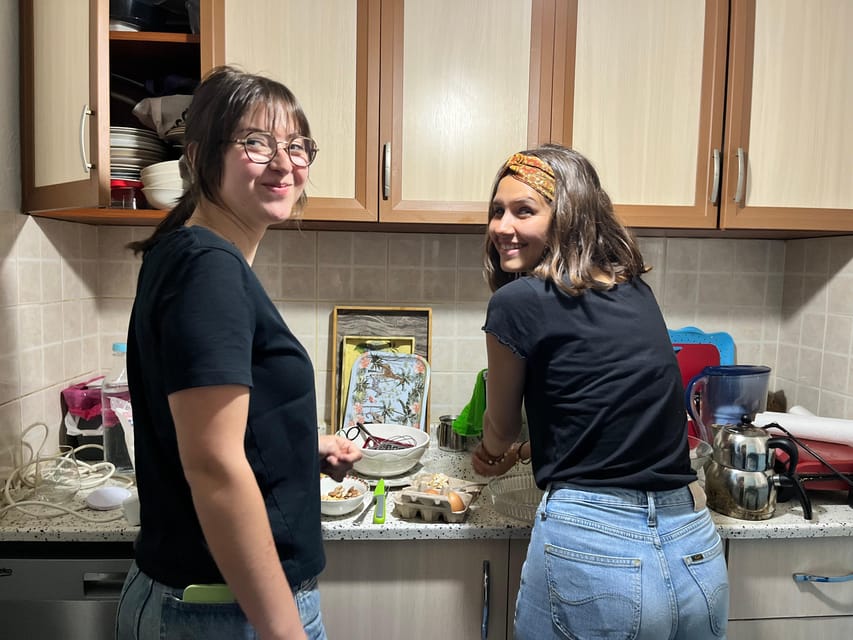
The meeting point is Talatpaşa, Büyükbey Sk. No:4 D:11, 34400 Kağıthane, Istanbul. Once you reach the address, the host lets you in.
You will want to allow enough time to find the building and arrive without rushing. The activity lasts 2.5 hours, but the supplied details do not specify a hotel pickup or transportation service. You are responsible for getting to the meeting point.
Kağıthane gives the experience a useful change of pace from Istanbul’s main sightseeing areas. You are not meeting at a famous monument or a restaurant designed for tour groups. You are heading to a residential address, which is precisely why the experience can feel more personal.
The tradeoff is simple: the meeting point may be less obvious than a major square or museum entrance. Read the address carefully and keep the host’s instructions available. Since the activity takes place in a private home, arriving at the correct door matters.
Starting with tea, coffee, and introductions
The class begins in a relaxed way, with Turkish tea or coffee and a short conversation about what you will make. This opening helps set the tone. You have time to meet Nuran and, if Feyza is teaching, get comfortable with the person leading the cooking.
Turkish tea is an everyday social drink, while Turkish coffee carries a more ceremonial feeling. Both fit the setting. You are not being rushed from one cooking station to another, and the drink gives you a chance to settle in.
The small group size is especially helpful here. With no more than six participants, you can ask how a recipe works, watch the technique closely, and take part without waiting through a long line. If you are traveling alone, the format also makes it easier to speak with the host and other people in the group.
English and Turkish are the listed languages. The class is therefore suitable for English-speaking visitors, though the amount of detailed instruction may depend on the group and the natural flow of the conversation.
Making künefe over the flame
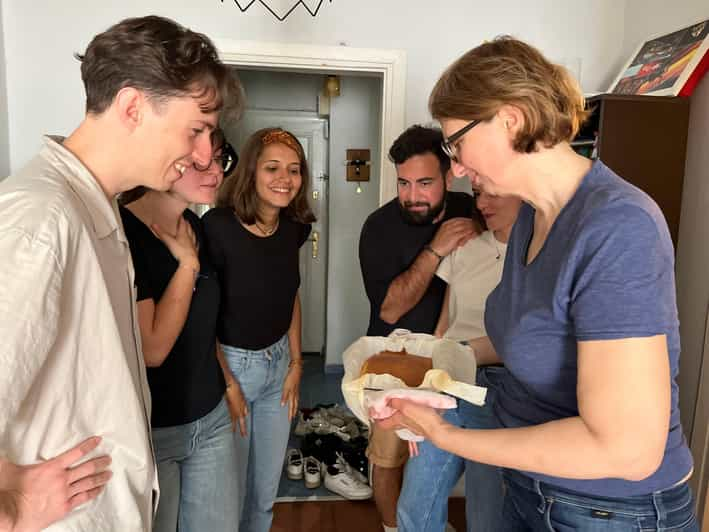
Künefe is the headline dessert. It is made with shredded wheat pastry, regional butter, cheese, and homemade syrup. The finished dish is crisp, warm, sweet, and pleasantly salty from the cheese.
You begin by learning how to layer the ingredients. The pastry needs an even coating of butter, and the cheese must be placed so the dessert cooks properly. The class then moves to the stove, where the künefe cooks over a flame.
One of the more useful skills is learning to flip it. This is the moment when a home method can teach you something a recipe card cannot. You need to watch the color and handle the dessert carefully so the top becomes golden without losing the filling.
Once cooked, the syrup goes over the hot künefe. That timing matters because the warm pastry absorbs the syrup while keeping some of its crisp texture. You get to see the whole process, from raw ingredients to a dessert served at the table.
Künefe is also the main dietary point to consider. It contains dairy from the cheese and butter, plus gluten from the shredded wheat pastry. Tell the host in advance about allergies. The available information only identifies those allergens, so you should ask directly about any other dietary concern before booking.
More cooking classes in Istanbul:
- Private Turkish Cuisine Cooking Class with Local Moms
★ 5.0 · 114 reviews - Traditional Home Cooking with a Local in İstanbul City Center
★ 5.0 · 82 reviews - Istanbul Home Cooking Course – Cook and Eat
★ 4.9 · 52 reviews - Cooking Class in Turkey From Istanbul
★ 4.5 · 23 reviews
Learning that the dessert menu can change
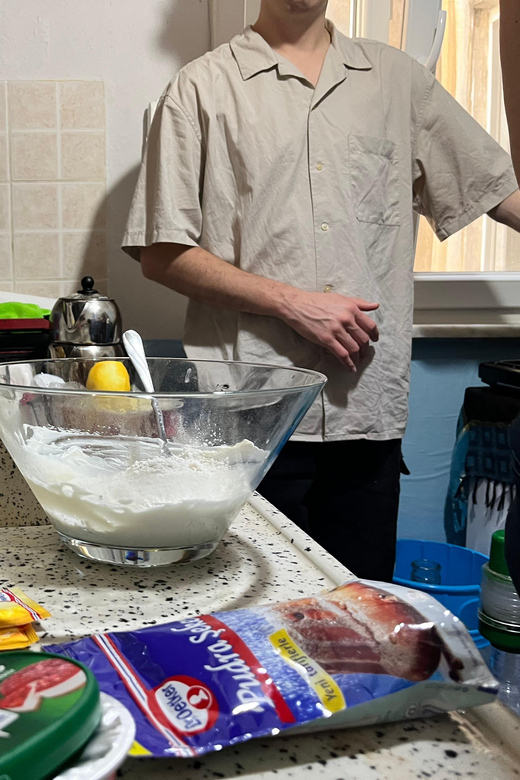
The experience includes cooking two or three Turkish desserts, but the precise selection is not fixed. That flexibility is worth knowing before you reserve.
Künefe is described as the featured dessert, yet other classes have prepared flour halva and semolina cookies. This can be a benefit if you want to learn recipes that are easier to recreate at home. One participant especially appreciated that the ingredients for the two sweets were available in the United States.
Flour halva is a good example of the hands-on nature of the class. The preparation was described as using fingers rather than relying only on a mixer. Semolina cookies offer another style of Turkish sweet, with a different texture and method from künefe.
You should ask about the day’s menu if making a particular dessert is important to you. The class is best approached as a chance to learn several Turkish sweets rather than as a guaranteed single-recipe workshop.
The number of dishes also depends on how the session develops. You may make two desserts, or possibly three, with the rest of the time given to brewing, eating, and talking. That is a reasonable balance for a home class. You leave with more than one idea, without trying to cram an entire cookbook into one afternoon.
Brewing Turkish coffee slowly
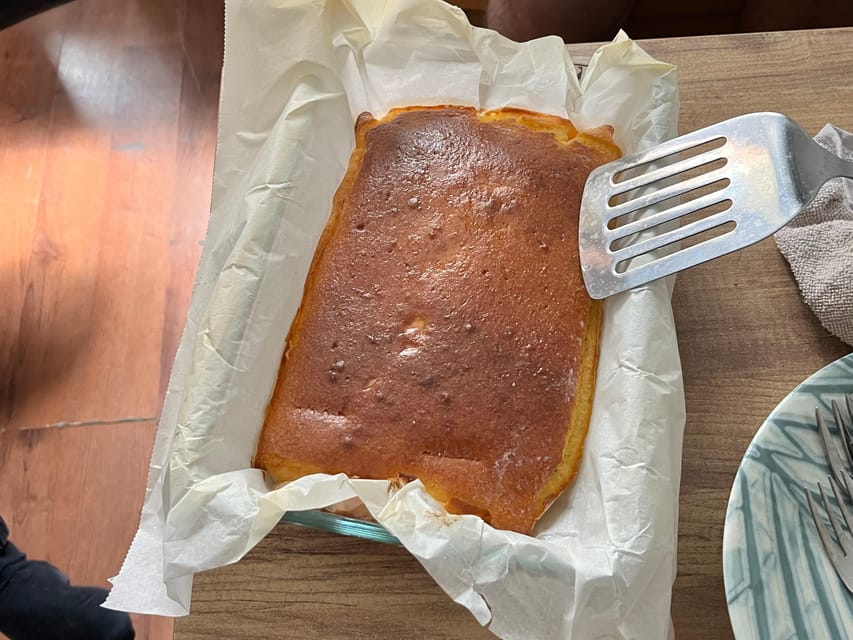
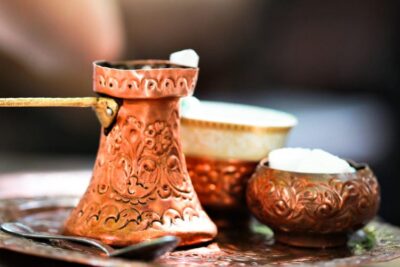
While the dessert cooks, the group moves to the coffee preparation. Turkish coffee is made slowly in a small pot, producing a thick, frothy drink with grounds left at the bottom of the cup.
You may get to prepare a cup yourself. That hands-on moment is useful because the method is simple in principle but depends on patience and attention. The coffee is not treated as a quick caffeine stop. It is part of the social ritual.
The host explains the place of coffee in Turkish culture, giving the drink context beyond its taste. You learn why the preparation is slow, why the foam matters, and why coffee is linked to conversation and hospitality.
The class may also include a lighthearted coffee-ground reading. One participant described Feyza offering an unofficial reading after the coffee was finished. It is not presented as a formal service, but it can become a memorable part of the table conversation.
Tea is also served, both at the beginning and with the desserts. If coffee is not your drink, you still have a way to join the ritual. The exact balance of coffee and tea may vary, but both are listed as part of the experience.
Sitting down to eat what you made
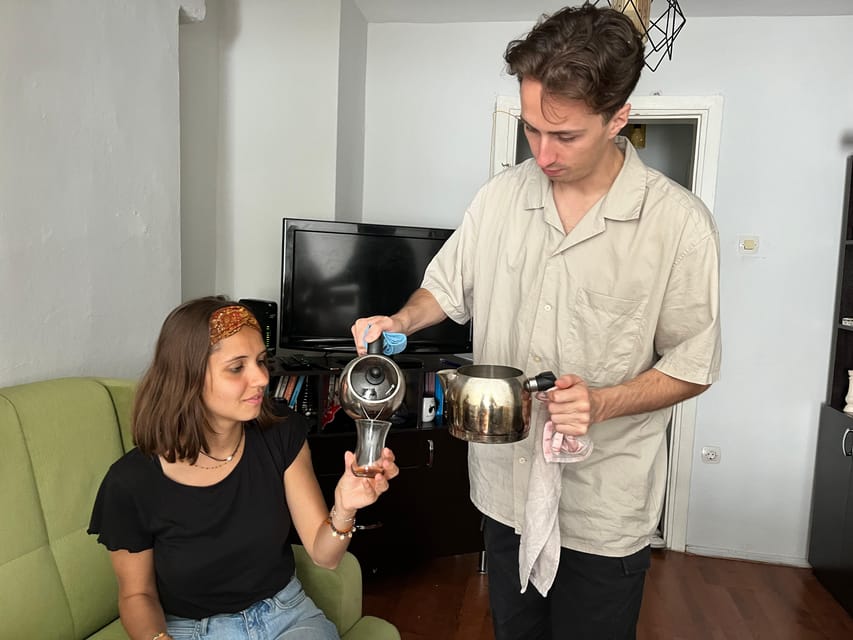
The final part is the reward for the work at the stove. You gather around the table and eat the warm desserts with tea or coffee.
That order gives the class a satisfying rhythm. First you learn, then you cook, then you taste. The dessert is not something placed in front of you with no explanation. You have seen the butter, pastry, syrup, and other ingredients come together.
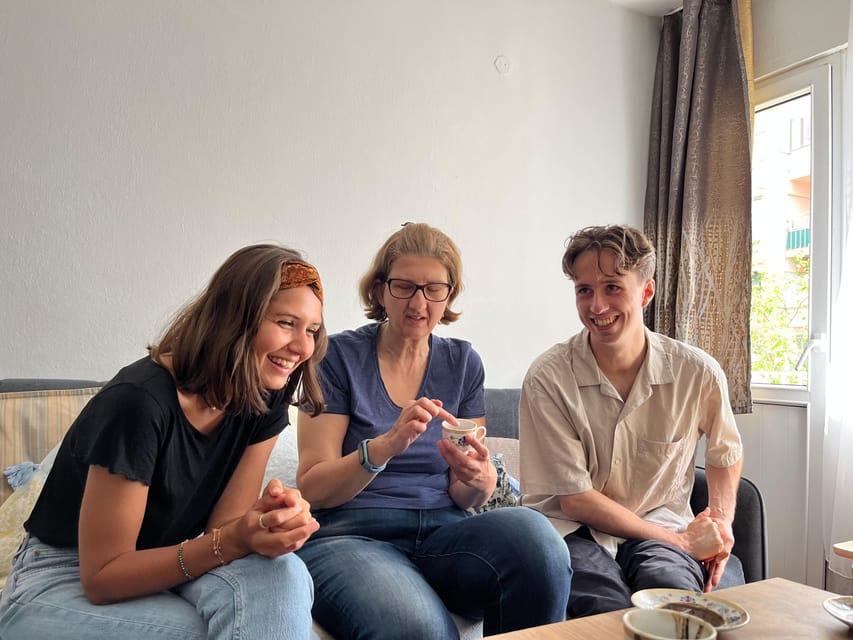
The table is also where the home setting matters most. Conversation continues while you eat, and the mood is more like being welcomed for a visit than attending a timed restaurant course. One participant described leaving with the feeling of having gained two Turkish aunties. That says a great deal about the warmth of the hosting.
You should not expect a formal meal. The focus is dessert, tea, coffee, and conversation. If you need a full lunch or dinner, plan another meal before or after the class.
The value of $59 for 2.5 hours
At $59 per person, the price sits above a simple dessert tasting but includes much more than a plate of sweets. You receive a 2.5-hour activity, instruction in two or three desserts, Turkish coffee preparation, tea or coffee, and time in a private home.
For me, the value depends on what you want from a food experience. If your goal is the cheapest way to eat künefe, this is not the right comparison. A café will cost less and require no cooking.
If you want a small-group lesson with personal attention and a local connection, the price is more reasonable. You are paying for ingredients and teaching, but also for access to a family setting and the chance to ask questions directly.
The recipes add practical value. A dessert that uses hard-to-find ingredients may be exciting but difficult to repeat. The flour halva and semolina cookie class showed that at least some recipes can be made at home with accessible supplies. Ask about the menu if recreating the food is important to you.
The booking terms also reduce some risk. You can cancel up to 24 hours ahead for a full refund, and you can reserve now and pay later. The group limit of six helps protect the personal feel, though a very small booking may mean the class is especially quiet and conversational.
Who should book this experience
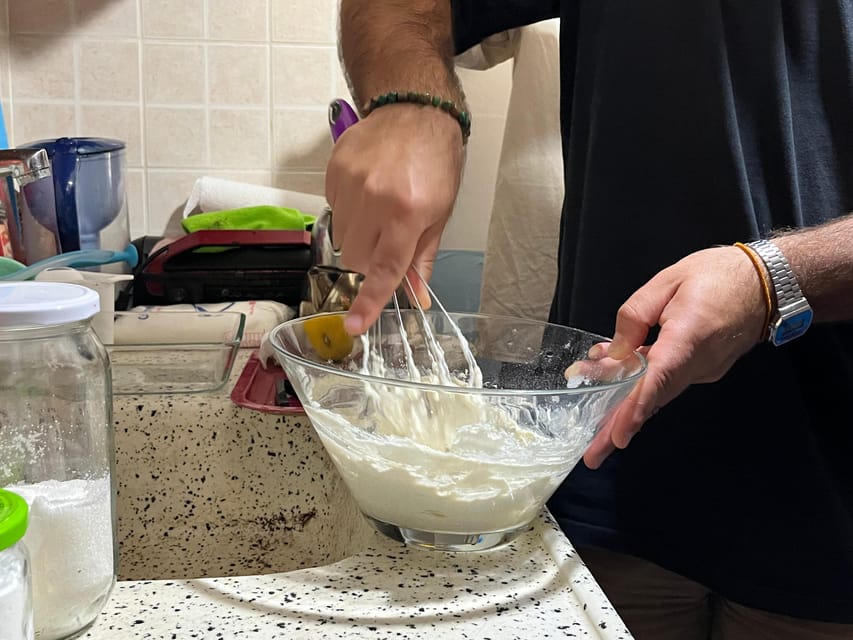
I would choose this class if you like food, local contact, and a slow pace. It suits solo visitors, couples, and small groups who want to spend time with people rather than move between several sights.
It is also a good match for home cooks. You get to work with ingredients, handle the dessert, and watch techniques that may not be obvious from a written recipe. If you enjoy bringing food memories home and trying the recipe later, the class has clear appeal.
Families may also like it, although the supplied information does not give a minimum age or specific child policy. You should confirm those details before booking with children.
This is less suitable if you want a large professional kitchen, a fixed menu, or a broad survey of Turkish cooking. There is no indication that savory dishes are part of this particular activity. Nuran also teaches a dinner cooking class, but that is separate from this dessert experience.
The class may be especially meaningful for visitors who have already seen Istanbul’s main sights and want a social afternoon away from hotel dining rooms. You do not need to know much about Turkish coffee or desserts before arriving. The instructor teaches the process from the beginning.
What to know before you reserve
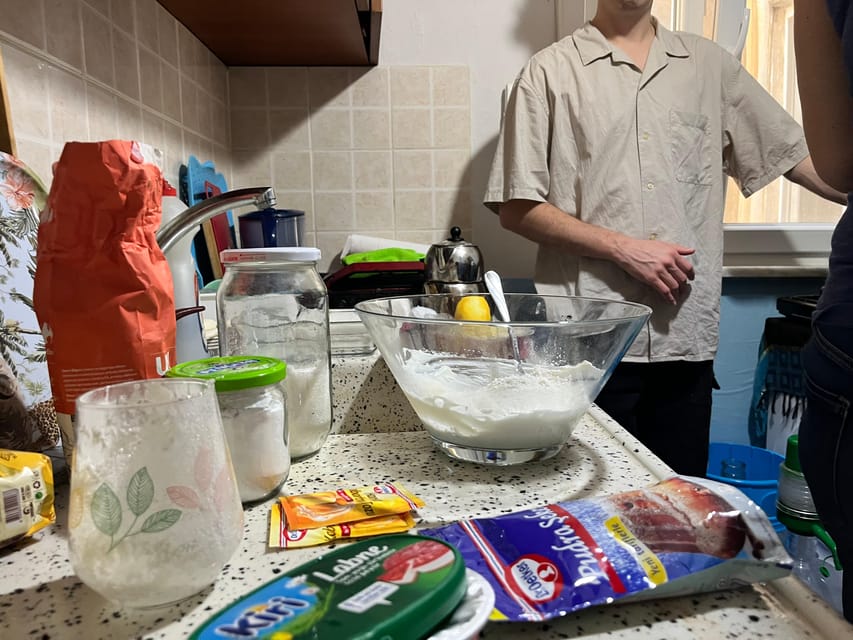
Keep these practical points in mind:
- The meeting point is in Kağıthane, at Talatpaşa, Büyükbey Sk. No:4 D:11.
- The host lets you into the home once you reach the address.
- The duration is 2.5 hours.
- The group is limited to six participants.
- Instruction is available in Turkish and English.
- You may cook two or three desserts, and the menu can vary.
- Künefe contains dairy and gluten.
- Tea and coffee are included.
- You can cancel up to 24 hours in advance for a full refund.
- Reserve-now, pay-later booking is available.
The most important tip is to contact the host about allergies and the planned desserts. That is more useful than assuming every session follows the same recipe.
Should you book Turkish Coffee and Traditional Turkish Dessert Cooking?
Book it if you want a personal home-based experience, not just a sweet snack. Nuran and Feyza offer the kind of welcoming contact that is hard to find in a standard food tour, and the small group gives you real time at the stove.
The class is also a good choice if you want recipes you can try again at home. You may make künefe, flour halva, semolina cookies, or other Turkish sweets, followed by coffee, tea, and conversation.
Skip it if you need a fixed menu, a full savory meal, or a centrally located meeting point with hotel pickup. Otherwise, $59 buys a gentle, social introduction to Turkish dessert making and coffee culture, with the added pleasure of sitting at a family table.
FAQ
Where does the Turkish dessert cooking class take place?
The class takes place in a local home at Talatpaşa, Büyükbey Sk. No:4 D:11, 34400 Kağıthane, Istanbul. The host lets you in once you reach the address.
How long does the experience last?
The activity lasts 2.5 hours. Starting times depend on availability.
How many people can join the class?
The group is limited to six participants.
Who teaches the class?
Nuran is the host, and Feyza, Nuran’s sister-in-law, may teach the dessert preparation. Instruction is available in Turkish and English.
Which desserts will I make?
The experience includes cooking two or three Turkish desserts. Künefe is featured, while other sessions have included flour halva and semolina cookies. The exact menu may vary.
Is Turkish coffee included?
Yes. Tea and coffee are included, and the class covers the traditional slow brewing method for Turkish coffee.
Does künefe contain allergens?
Yes. Künefe contains dairy from cheese and butter, as well as gluten from the shredded wheat pastry. Tell the host about allergies in advance.
Can I cancel the booking?
Yes. You can cancel up to 24 hours in advance for a full refund.
Can I reserve without paying immediately?
Yes. Reserve-now, pay-later booking is available, so you can keep your travel plans flexible.
More Coffee Experiences in Istanbul
- Istanbul Highlights: Guided Tour with Turkish Tea or Coffee
★ 5.0 · 278 reviews - Istanbul Turkish Coffee Making & Fortune Telling Workshop
★ 5.0 · 173 reviews - Turkish Coffee on Sand and Fortune-Telling Workshop by Gentlemen
★ 5.0 · 54 reviews - Turkish Coffee Trail
★ 4.5 · 38 reviews
Latest additions around Istanbul
- Istanbul: Hagia Sophia Skip-the-Line Ticket with Live Guide★ 3.7 · 3 reviews
- Ephesus Private Tour From Istanbul including transfers & domestic fights★ 5.0 · 3 reviews
- 6 Days Multi City Turkey Tour★ 5.0 · 3 reviews
- Princess Islands Daily Tour from Istanbul★ 5.0 · 3 reviews
- Private tour: 12-Day Turkish Adventure Package Tour From Istanbul★ 4.5 · 3 reviews
- Premium Line : Private Istanbul Tour : All Inclusive Package★ 4.3 · 3 reviews
- Private Istanbul Combo Tour – Classic Old City and Bosphorus Cruise★ 5.0 · 3 reviews
- Istanbul: Hagia Sophia Guided Tour with Optional Ticket★ 3.3 · 3 reviews
Turkish Coffee & Fortune Telling, compared.
Turkish Coffee Making and Fortune Telling Workshop
Read our review →Turkish Coffee Making and Fortune Telling Workshop
Read our review →
Turkish Coffee on Sand Workshop: Fortune Telling & Gift Set
Read our review →
Istanbul Turkish Coffee Making & Fortune Telling Workshop
Read our review →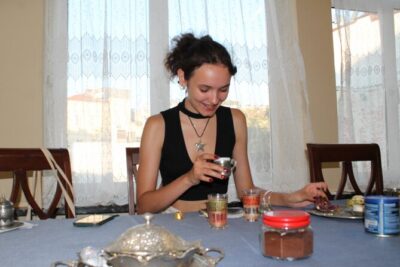
Turkish Coffee on Sand and Fortune-Telling Workshop by Gentlemen
Read our review →
Browse the lists this tour appears in